We tend to assume we need gyms, wearables, or structured workouts to stay fit. But so much of our health is built through ordinary movement.

Add VegOut to your Google News feed. 
I grew up watching older generations move in ways that looked almost effortless. They didn’t talk about “functional training” or “closing their rings.” They just lived their lives, and somehow those everyday movements kept them strong.
Now, after spending years reading about behavior, health, and the little decisions that shape our lives, I find myself appreciating those old chores a lot more. Especially the physical ones Boomers never let go of. They’re basically full-body workouts disguised as housework.
So if you’ve ever wondered why your parents or grandparents still have impressive stamina, this might explain it.
Let’s get into it.
1) Raking leaves
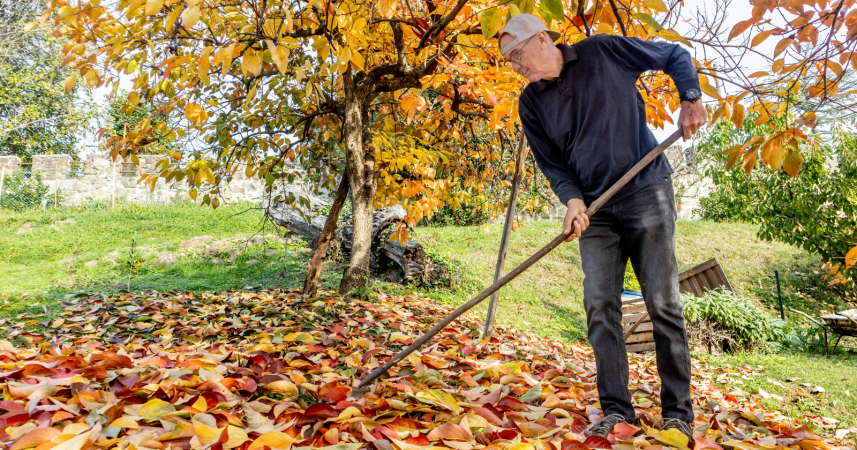
There is something deceptively intense about raking. It looks peaceful, almost meditative, but once you try it for more than five minutes, you remember just how much work it takes.
Raking hits your core, shoulders, and legs without you even noticing. It’s the kind of low-intensity, high-benefit movement that gets you sweating but doesn’t feel miserable. I’ve noticed that Boomers treat it like a seasonal ritual, and maybe that’s why they’ve kept those “yard muscles” longer than most.
Modern landscaping tools make it easy to avoid this chore, but part of me thinks doing it by hand keeps you honest physically.
2) Scrubbing floors on hands and knees
Most people use mops now. But some Boomers still go straight to the hands-and-knees method, the one that feels like a full-body Pilates session in disguise.
Scrubbing forces you into a deep squat or kneeling position. It strengthens your arms, engages your core, and activates your legs more than any mop ever will. You end up moving through a wide range of motion instead of standing upright the whole time.
It might sound extreme, but there is a reason physical therapists talk so much about floor work. You build mobility and strength simultaneously.
3) Hanging laundry outside
There is almost a mindfulness to this one. Carrying a basket, bending, stretching upward, and reaching across a line creates a gentle rhythm that works your whole body.
When I traveled through parts of Europe years ago, I noticed older people hanging laundry every morning. They looked strong and balanced, and many told me they preferred this method because it kept them moving. That stuck with me.
Dryers are convenient, but convenience often makes us weaker without realizing it.
4) Vacuuming the whole house
You know what’s funny? Vacuuming is basically walking lunges with a side of shoulder work. It is far more physical than we give it credit for.
Boomers tend to vacuum thoroughly, meaning they move furniture, get into corners, and actually break a sweat. It becomes a kind of home workout that engages the upper body and lower body at the same time.
If you’ve ever vacuumed a big space without taking shortcuts, you know exactly what I mean.
5) Washing the car by hand
This one takes me back to being a teenager and helping my dad scrub the car. Bucket, soap, sponge, water hose. No fancy drive-through. No five-minute shortcut.
Washing a car by hand involves squatting, reaching, stretching, and using your core to stabilize yourself. You’re basically moving through the same patterns personal trainers love to prescribe.
And yes, I still wash my own car sometimes. There is something satisfying about seeing your effort reflected back at you in the shine.
6) Moving furniture for cleaning

My mom used to shift couches, rotate rugs, and pull heavy chairs out of the way any time she cleaned. She treated it like basic home maintenance. Now I realize she was basically doing strength training every weekend.
Moving furniture works your legs, back, core, and arms all at once. It’s functional lifting in the purest sense. And Boomers never stopped doing it because they never saw it as anything special.
Most of us avoid heavy lifting unless we’re at the gym. Boomers just do it because it needs to get done.
7) Gardening and yard work
Gardening looks peaceful from the outside, but anyone who has ever pulled weeds for thirty minutes knows it feels like a workout. You are bending, twisting, lifting, and digging. Your legs and lower back work nonstop.
What I’ve always admired is how Boomers treat gardening as a lifestyle instead of a hobby. They do it consistently. They treat it as normal maintenance, and their bodies adapt accordingly.
Plus, there’s a ton of psychological research showing that hands-on outdoor work reduces stress and boosts mood. No gym membership can do all of that at once.
8) Carrying groceries without asking for help
Most Boomers refuse to make two trips. They grab every bag, shift their weight, and somehow manage to get everything inside in one go.
From a fitness perspective, this is basically loaded carry training. It builds grip strength, core stability, and cardiovascular endurance. Trainers love loaded carries because they improve real-world functionality.
Next time you see someone older hauling heavy groceries with confidence, remember: they’ve been training for decades.
9) Sweeping instead of using a leaf blower
Leaf blowers are loud, fast, and convenient. Sweeping is quiet, slow, and physically demanding. That’s why Boomers stick with it.
Sweeping forces your shoulders, core, and legs to work in sync. You shift weight from side to side, maintain balance, and develop coordination that younger generations rarely get outside of a gym.
It’s one of those chores that doesn’t feel like exercise until you suddenly notice you’re breathing harder than expected.
10) Taking stairs instead of the elevator
This one is subtle, but it shows up everywhere. Boomers take stairs because they’re used to it. They grew up in a world where the default was physical effort.
Stairs strengthen the heart, lungs, legs, and core. They improve balance and coordination. They keep joints mobile. It’s no surprise older people who use stairs regularly stay more agile than those who avoid them.
I’ve mentioned this before, but behavior research consistently shows that the tiny habits we repeat shape our long-term health far more than the big changes we make once in a while. Boomers figured this out without ever reading a study about it.
Final thoughts
We tend to assume we need gyms, wearables, or structured workouts to stay fit. But so much of our health is built through ordinary movement. The chores Boomers kept doing are proof that small, consistent physical habits compound over time.
Maybe that’s the real takeaway. Fitness does not always look like a workout. Sometimes it looks like a broom, a basket of laundry, or a flight of stairs.
So here is the question to consider: which everyday movement could you bring back into your own routine?
If You Were a Healing Herb, Which Would You Be?
Each herb holds a unique kind of magic — soothing, awakening, grounding, or clarifying.
This 9-question quiz reveals the healing plant that mirrors your energy right now and what it says about your natural rhythm.
✨ Instant results. Deeply insightful.

Jordan Cooper
Jordan Cooper is a pop-culture writer and vegan-snack reviewer with roots in music blogging. Known for approachable, insightful prose, Jordan connects modern trends—from K-pop choreography to kombucha fermentation—with thoughtful food commentary. In his downtime, he enjoys photography, experimenting with fermentation recipes, and discovering new indie music playlists.
More Articles by Jordan