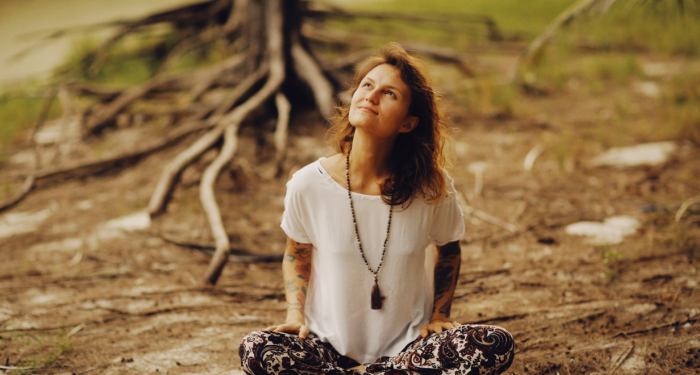
The boomers dominating that record fair weren't killing time - they were hunting for something screens can't deliver, and they looked more alive than anyone half their age.

Add VegOut to your Google News feed. 
I spent last Saturday flipping through vintage vinyl at a record fair in Echo Park. The crowd was incredibly diverse, but what struck me most were the retirees absolutely dominating the scene. These weren't people killing time. They were hunting for specific pressings, debating first editions, genuinely alive in a way that passive screen consumption never delivers.
Here's what I've noticed: the boomers who seem happiest in retirement aren't the ones binging Netflix or scrolling endlessly. They're the ones getting their hands dirty, literally and figuratively. They're doing things that require showing up, focusing, creating, connecting.
The weekend doesn't have to default to passive consumption. There are activities that actually restore energy instead of draining it. Let's look at some options that deliver real satisfaction.
1) Start a balcony or backyard garden
Growing something changes your relationship with time. You can't rush a tomato plant, and that's the point.
I've got herbs on my Venice Beach balcony. Nothing fancy. Basil, cilantro, some cherry tomatoes in the summer. But tending them every morning gives structure to my day in a way alarm clocks never could.
Gardening isn't just about the harvest. It's about having something living that depends on you. Making decisions. Watching results unfold slowly. Getting your hands in soil does something to your nervous system that screens can't replicate.
Plus, there's legitimate satisfaction in cooking with ingredients you grew yourself. Even if it's just basil on pasta.
Start small. A few pots. Some easy herbs. See what happens.
2) Join a walking group or start weekend hikes
Walking side by side makes certain conversations easier. No forced eye contact. No performance pressure. Just movement and talk.
My grandmother volunteers at a food bank every Saturday, but she also walks with a group three mornings a week. She says those walks keep her saner than anything else she does. The routine matters, sure. But so does the company.
Social isolation is as harmful as smoking, according to research. But gyms feel intimidating, and fitness classes can be overwhelming. Walking? Walking is accessible. It's free. You can go at your own pace.
Find a local group through community centers or apps. Or just start walking the same route at the same time each week. You'll start seeing the same faces. Conversations happen naturally.
The physical benefits are real. But the social aspect might matter more.
3) Learn a new language
Your brain doesn't stop needing challenges just because you stopped working. In fact, it needs them more.
Language learning gives your mind something to wrestle with. Vocabulary, grammar, pronunciation. It's frustrating and fascinating in equal measure. And unlike most hobbies, you can see clear progress. Last month you couldn't order coffee. Now you can have basic conversations.
Apps make this ridiculously accessible now. Fifteen minutes a day adds up. And when you combine app learning with conversation groups, you've got both the skill-building and the social component.
I've seen people transform their entire retirement around language learning. Planning trips. Making international friends. Consuming media in new languages. It opens doors.
Plus, bilingualism has documented benefits for cognitive health as you age. Your brain stays flexible.
4) Volunteer somewhere that matters to you
Purpose doesn't retire when you do. Neither does the need to feel useful.
My grandmother drives six hours to bring soup when someone's sick. She shows up at that food bank every single Saturday. Not because she has to. Because showing up for others gives her life structure and meaning.
Volunteering provides what retirement often strips away: a reason to get out of bed, somewhere to be, people who rely on you. That matters more than most people realize.
Find something aligned with your actual interests. Animal shelters if you love animals. Community gardens if you like plants. Literacy programs if you care about education. The point isn't to be selfless. It's to find meaning through contribution.
And honestly, the social connections you make through regular volunteering often become some of your most meaningful relationships.
5) Take up photography
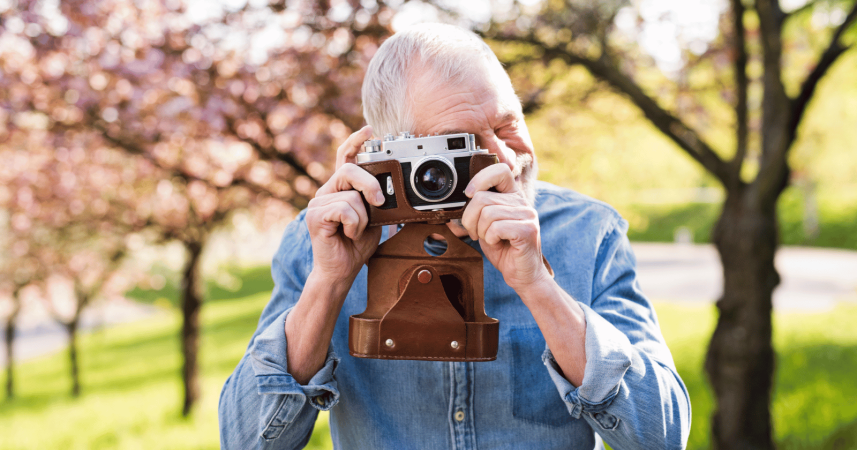
Photography forces you to pay attention. Really look at things. Notice light, composition, timing. It transforms ordinary moments into something worth capturing.
I'm often found honing my photography skills around Venice Beach, just walking with my camera. It's become meditation. I'm present. I'm looking. I'm engaged with my surroundings instead of trapped in my head.
You don't need expensive equipment anymore. Phone cameras are incredible. What matters is developing an eye. Learning to see. Practicing regularly.
Photography also gives you a reason to go places. That trail you've walked a hundred times becomes interesting again when you're looking for morning light or interesting textures. Farmers markets become visual treasure hunts.
Join a local photography group or take an online course. Share your work. Get feedback. The learning never stops.
6) Cook elaborate meals you never had time for
Cooking is creation. It engages all your senses. And unlike most projects, you get immediate feedback when you eat the results.
I spend Sunday afternoons experimenting in the kitchen. Thai curries, homemade pasta, elaborate desserts. My partner actually requests my lentil bolognese now, which feels like a legitimate achievement.
Cooking gives structure to weekends. Shopping at farmers markets on Saturday morning. Prepping ingredients. Actually taking time to follow complex recipes instead of rushing through dinner.
There's also something deeply satisfying about feeding people. Hosting dinner parties. Bringing dishes to potlucks. Food is connection. It's ritual. It's culture. Way more meaningful than eating alone in front of the TV.
And if you're interested in plant-based cooking, there's a whole world to explore. Cashew cheese, jackfruit tacos, coconut desserts. It's creative problem-solving disguised as dinner.
7) Join or start a book club
Reading is great. Discussing what you've read with other humans is better.
Book clubs force you to actually finish books. They give you deadlines. They expose you to titles you'd never pick yourself. And the conversations that happen around books often become the most interesting part.
I read a lot of behavioral science research, but discussing those concepts with others always reveals angles I missed. Other people's perspectives reshape how you think.
Find a local club through libraries or bookstores. Or start one yourself. Pick a monthly meeting spot, choose books together, see what develops. The reading is almost secondary to the community you build.
And if in-person doesn't work, online book clubs are everywhere now. Same benefits, different format.
8) Take up a creative practice
Drawing, painting, pottery, music, writing. Pick something that lets you make things that didn't exist before.
Creative hobbies scratch a different itch than physical or social activities. They're about expression. Getting what's inside you out into the world somehow. That matters at every age, but especially when traditional markers of productivity disappear.
I've mentioned this before but I started as an indie music blogger back in the 2000s, reviewing underground bands. That creative outlet shaped everything that came after. Writing became my way of processing the world.
You don't need talent. You need practice. Start terribly. Keep going anyway. The point isn't perfection. It's engagement. Flow states. Losing yourself in the work.
Take a pottery class. Buy some cheap watercolors. Learn an instrument. Write in a journal every morning. Whatever calls to you. Just start.
9) Restore or repair things
There's deep satisfaction in fixing what's broken instead of replacing it. Repairing clothes, refurbishing furniture, restoring old tools. Skills that used to be common are becoming rare, which makes them even more valuable.
Sewing and mending are having a genuine renaissance right now. Not because people are broke, but because fast fashion feels increasingly hollow. Making things last feels like rebellion.
Learn to fix your own stuff. YouTube tutorials make this accessible. Community workshops teach specific skills. And the sense of accomplishment when you successfully repair something? Better than buying new.
Plus, repair cafes and mending circles are becoming social hubs. People gathering to fix things together, sharing knowledge, building community through practical skills.
10) Attend live events regularly
Concerts, theater, comedy shows, lectures, readings. Things that happen in real time with other humans present.
Live events force you off the couch. They put you in rooms with strangers who share your interests. The energy is completely different from streaming at home.
I still get excited finding new indie bands to see live. That thrill of discovery never disappeared. Neither did the communal aspect of live music. Everyone experiencing the same thing simultaneously creates connection.
Check community calendars. Local theaters often have discount matinees. Comedy clubs have open mics. Libraries host author talks. Museums have evening events. Most of this stuff is cheaper than people assume.
Make it routine. One live event per weekend. See what it does to your sense of engagement with life.
Conclusion
The difference between people who thrive in retirement and people who struggle often comes down to this: active versus passive. Creating versus consuming. Connecting versus isolating.
I've been reading Rudá Iandê's new book "Laughing in the Face of Chaos: A Politically Incorrect Shamanic Guide for Modern Life," and one insight really stuck with me. He writes: "The body is not something to be feared or denied, but rather a sacred tool for spiritual growth and transformation."
That applies to how we spend our time too. Your body, your hands, your presence, these aren't obstacles to enjoyment. They're the instruments of it.
I've mentioned this book before but the perspective shift it offers is worth revisiting. We're not broken machines that need fixing. We're dynamic beings that need engagement.
Weekends don't have to be about recovery from life. They can be where life actually happens. Where you grow things, make things, learn things, connect with people. Where you show up fully instead of half-present behind a screen.
The activities that actually restore us aren't always the easiest ones. Sometimes satisfaction requires effort. But that effort pays dividends in ways passive consumption never will.
What are you doing this weekend?
What’s Your Plant-Powered Archetype?
Ever wonder what your everyday habits say about your deeper purpose—and how they ripple out to impact the planet?
This 90-second quiz reveals the plant-powered role you’re here to play, and the tiny shift that makes it even more powerful.
12 fun questions. Instant results. Surprisingly accurate.