Some weekend rituals aren’t about fun or luxury at all. They’re quiet attempts to soothe the parts of us that still feel like we have something to prove.
Last weekend, while walking through a mall in Dubai, I noticed something familiar.
Groups of people dressed their best for a “day out,” even if all they did was walk around, eat fast food, and take selfies next to luxury stores.
It reminded me of my childhood in Malaysia, when weekends were our family’s chance to “feel rich.”
We’d dress up, go to a mall with air-conditioning (a luxury back then), maybe eat at KFC, and come home satisfied.
That ritual wasn’t about fun, it was about proving something.
For many lower-middle-class families, the weekend isn’t just time off. It’s a small window to feel successful. Even when money’s tight, people will spend it to experience what they associate with a “good life.”
And though there’s no shame in that, it’s worth reflecting on why we do it, and what it says about how we define success.
Here are eight weekend activities that still carry that symbolic weight.
1. Eating out at “fancier” restaurants
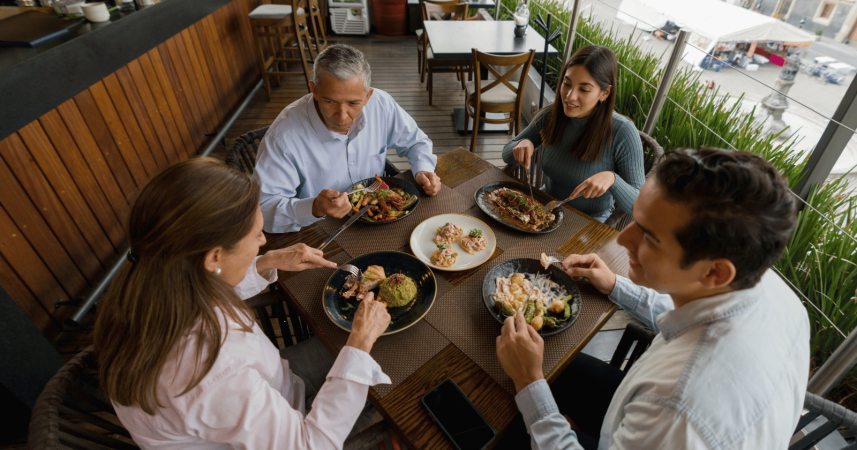
For many families, a sit-down restaurant with air-conditioning, waiters, and table service feels like an upgrade from daily home meals. It’s a taste of the middle-class dream: being served, rather than serving.
But that sense of reward often overshadows reality. People might spend half their weekly budget just to “treat” themselves for a few hours of comfort. It’s less about the food and more about validation, a way of saying, we’ve made it, even if just for today.
The irony? Truly wealthy people often prefer casual or home-cooked meals because they’re not trying to prove anything. They eat for comfort, not performance.
2. Taking endless photos at malls or cafés
If you scroll through social media on a weekend, you’ll notice a pattern: staged coffee shots, outfit photos, “day out” posts, all in the same malls or trendy cafés. These pictures aren’t just about documenting life; they’re about signaling it.
Growing up, I remember my cousins treating mall outings like fashion events. They’d wear their best clothes, take photos in front of Zara, then go home feeling accomplished. That mindset, equating appearances with achievement, still runs deep in many working-class cultures.
The danger isn’t in taking pictures. It’s in believing that a curated image replaces real contentment.
3. Shopping as a form of therapy
There’s a reason “retail therapy” resonates so much with people from modest backgrounds. When life feels heavy and unpredictable, buying something new, a shirt, a phone case, even just a drink, gives a sense of control.
But many don’t realize they’re soothing emotional emptiness with consumption. Financial stress and social comparison fuel a cycle where spending feels like success, even if it deepens insecurity.
A study found that material purchases give shorter emotional boosts than experiential ones, meaning that dinner with friends often brings more lasting happiness than buying something new.
4. Staying in hotels “just because”
This one’s surprisingly common, especially among families in developing countries. A “staycation” in a local hotel becomes a way to feel luxurious, even if it’s financially unwise.
When I lived in Kuala Lumpur, I knew people who’d book one-night stays just to use the pool and take photos. The irony is that they’d return home more stressed, financially and emotionally, than before their “break.”
Real rest isn’t about the room or the view. It’s about how at peace you feel inside it.
5. Attending expensive events or buffets
For many, buffets, concerts, or themed events are social proof, proof that they can “afford to enjoy life.” I’ve seen people go into debt for a hotel buffet or a concert ticket, convincing themselves it’s a well-deserved reward.
And maybe it is, sometimes. But when those moments are driven by insecurity, by needing to show others we’re doing well, they lose their joy. It becomes performance instead of pleasure.
Wealthier people, interestingly, often chase the opposite: privacy, quiet, and exclusivity over public display.
6. Hanging out at luxury areas “for the vibe”
Dubai’s a masterclass in this. You’ll see people strolling through Downtown or Palm Jumeirah in their best outfits, not to buy anything, but just to be seen there. I get it, I used to do that in Kuala Lumpur too. Walking around high-end areas made me feel closer to the life I wanted.
The problem is when “the vibe” replaces actual progress. When you start measuring your worth by proximity to wealth, rather than by your own growth.
Enjoying nice spaces is fine, just don’t confuse access with achievement.
7. Spending hours cleaning or decorating the home
This might sound innocent, but it’s deeply cultural. In many lower-middle-class families, a spotless home on the weekend equals dignity. Even if the week was chaotic, cleaning becomes a way to reclaim pride.
My mum used to scrub the house from morning till night every Saturday. We weren’t allowed to rest until everything looked “respectable.” It wasn’t just cleanliness, it was reputation. In her mind, a well-kept home meant we were “good people,” even if we couldn’t afford much.
That habit has its roots in self-respect, but it also reflects how deeply we tie external order to internal worth.
8. Dressing up to go nowhere special
This one makes me smile. Every weekend, you’ll see people dressing up like they’re heading to an event, when really, it’s just groceries or a café visit. It’s a small but meaningful expression of pride.
For many lower-middle-class people, appearance is identity. They may not own much, but they can look like they do. And honestly, there’s beauty in that, the desire to feel seen, valued, and beautiful even without status.
Still, the obsession with appearances can become exhausting. If every outfit is a costume, when do we get to just be ourselves?
Final thoughts
This isn’t a critique, it’s an observation born from empathy. I grew up with these exact rituals. I understand why they exist: because for the lower middle class, success often feels borrowed. You get brief moments where life looks how you wish it always did.
But as I’ve learned, real success is much quieter. It’s not in where you go, but how you feel when you’re there. It’s being able to rest without guilt, eat without proving, and enjoy weekends without chasing validation.
Before we finish, there’s one thing worth remembering, joy doesn’t need to look rich to be real. Sometimes, the most successful thing you can do on a weekend is stay home, rest, and feel content without needing to perform for anyone.