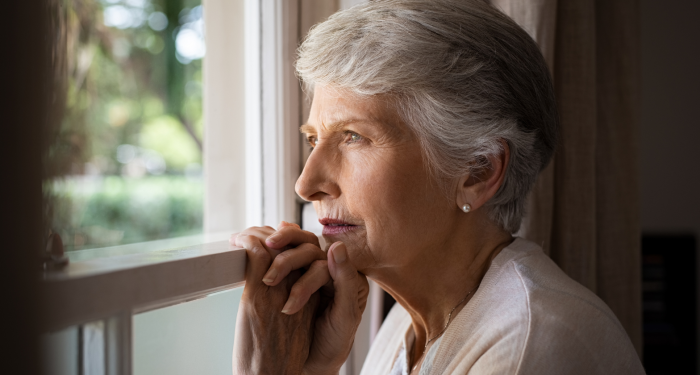
The flower vendor in Bangkok never stepped foot in a gym, yet at 72 she moved with more grace than most thirty-year-olds.

Add VegOut to your Google News feed. 
Last spring, I spent three weeks in Bangkok revisiting old haunts from my years living there. One afternoon, I found myself at Chatuchak Market watching an elderly woman arrange tropical flowers into intricate garlands. Her hands moved with practiced precision as she chatted with customers and neighbors.
She'd been doing this for decades, she told me. Every single day.
What struck me wasn't just her craft but her physicality. At 72, she squatted with ease, reached overhead without hesitation, and moved with a fluidity that would embarrass most people half her age at the gym.
She wasn't exercising. She was just living.
That's when it hit me: we've completely backwards engineered the relationship between movement and health. We treat exercise like medicine, something unpleasant we must force down for our own good. But the healthiest people I've met during my travels don't think about exercise at all.
They dance. They garden. They cook elaborate meals while standing for hours. They walk to markets and carry groceries home.
Research backs this up too: people who engage in enjoyable physical activities report lower stress levels, better moods, and improved overall health compared to those who don't move regularly. A study of over 93,000 older adults found that those with hobbies reported better health, more happiness, and higher life satisfaction than those without.
Here's the thing about gym memberships: most people quit within six months. Not because they're lazy, but because the experience feels like a chore. These eight hobbies solve that problem entirely.
1) Cooking elaborate meals from scratch
When I worked in fine dining, the kitchen staff never set foot in a gym. They didn't need to.
A typical dinner service meant being on your feet for eight to ten hours straight. Lifting heavy pots. Reaching for ingredients. Bending to check ovens. Stirring sauces with enough vigor to build serious forearm strength.
The executive chef at my first restaurant had the physique of someone who lifted weights religiously. His secret? Twenty years of making pasta dough by hand.
Cooking from scratch is genuinely physical. Kneading bread builds arm strength. Chopping vegetables for an hour develops endurance. Even washing dishes burns calories while building grip strength.
I cook elaborate meals most weekends now. Not because I'm trying to stay fit, but because I love the process. The physicality is just a bonus.
Start with something hands-on like fresh pasta, homemade pizza dough, or bread. The repetitive motions build strength while your mind focuses on technique and flavor. Before you know it, you've done the equivalent of a solid arm workout without once thinking about exercise.
2) Gardening and growing your own food
My grandmother tended her vegetable garden until she was 89. She'd spend hours out there, pulling weeds, turning soil, hauling bags of compost.
Her doctor once told her she had the bone density of someone twenty years younger. She laughed and said, "Must be all that digging."
Gardening involves a subtle form of aerobic exercise through actions like pulling weeds, planting, and reaching for tools, which helps work muscles and boost strength, stamina, and flexibility. Studies have linked regular gardening to a 36 percent lower risk of dementia and up to a 30 percent reduction in heart attack and stroke risk.
The beauty of gardening is how it tricks you into exercising. You're not doing squats, you're planting tomatoes. You're not doing deadlifts, you're moving bags of mulch. But your body doesn't know the difference.
Even a small herb garden on a balcony requires bending, reaching, and carrying. Scale up to raised beds or a full vegetable plot and you're looking at serious physical work that doesn't feel like work at all.
Plus, you get fresh herbs and vegetables. Try getting that benefit from a treadmill.
3) Social dancing of any kind
I took salsa lessons during my Bangkok years at the insistence of a friend. I resisted at first because I have the natural rhythm of a confused giraffe.
But within three months, I'd lost weight, improved my posture, and developed better balance than I'd ever had. Dancing did what years of gym memberships couldn't: it made movement actually enjoyable.
Dancing can improve heart and lung condition, increase muscular strength and endurance, boost coordination, and keep bones and joints healthy. Whether it's salsa, swing, ballroom, or just freestyle movement in your living room, dancing offers a full-body workout disguised as fun.
The secret is that you're not counting reps or watching a timer. You're listening to music, connecting with a partner if you're doing partner dancing, and losing yourself in movement.
Social dancing also gets you out of the house and around other people, which adds mental health benefits on top of the physical ones. The combination makes it one of the most effective hobbies for overall wellbeing.
4) Playing with dogs regularly
When my neighbor adopted a Border Collie, he lost 25 pounds in six months without changing his diet.
The dog needed two long walks daily plus active playtime. That meant my neighbor was suddenly walking four miles a day and throwing frisbees for an hour on weekends.
He never once thought of it as exercise. He was just keeping his dog happy.
Pet ownership provides opportunities for exercise, outdoor activities, and socialization while decreasing feelings of loneliness. Dogs especially demand physical activity, which naturally gets their owners moving more.
The beautiful thing about this hobby is the built-in accountability. Your dog doesn't care if you're tired or it's raining. They still need their walk. That consistency is what most gym routines lack.
Even if you don't own a dog, volunteering at an animal shelter or dog-sitting for friends provides similar benefits. You get the movement without the long-term commitment.
5) Exploring cities on foot
During my years in luxury hospitality, I worked with ultra-wealthy clients who could afford any form of transportation. Yet many of them preferred walking whenever possible.
They weren't doing it for exercise. They walked because it let them actually experience places instead of just passing through them.
Walking is probably the most underrated form of physical activity. It doesn't feel like exercise because humans are designed to walk. It's what our bodies do naturally when we let them.
I make it a rule now when traveling to walk at least the first few days before using any transportation. Not for the exercise, but because that's how you discover the best restaurants, hidden parks, and local shops that tourists miss.
The physical benefits just happen automatically. Better cardiovascular health, stronger legs, improved joint mobility, all without feeling like you're working out.
Pick a neighborhood you've never explored and just walk it. No destination required. You'll probably log 10,000 steps without even noticing.
6) Rock climbing or bouldering
A friend from my New York days convinced me to try indoor bouldering. I agreed mostly to be polite.
Within twenty minutes, my arms were shaking. After an hour, I'd used muscles I didn't know existed. But I wasn't miserable like I would have been in a gym. I was problem-solving, figuring out routes, completely engaged.
Climbing is remarkable because it combines strength training, cardio, flexibility, and mental focus into one activity. You're building serious muscle while your brain is busy figuring out how to reach the next hold.
The hobby scales beautifully too. Beginners work on easy routes while experienced climbers tackle advanced problems. Everyone finds their level and progresses naturally.
Indoor climbing gyms have exploded in popularity recently, making this accessible even in cities far from mountains. Most offer introductory classes and rent all the equipment you need.
The community aspect is strong too. Climbers naturally encourage each other and share tips. It's the opposite of the intimidating atmosphere many people associate with traditional gyms.
7) Woodworking and furniture building
My grandfather built furniture in his garage for forty years. He had the grip strength of someone who'd trained specifically for it, but he'd never touched a weight in his life.
Working with wood is surprisingly physical. Planing boards smooth works your shoulders and core. Sanding requires sustained effort that builds endurance. Moving lumber and finished pieces provides functional strength training.
The difference is that you're creating something tangible. Every piece you build is useful and permanent. That sense of accomplishment keeps you coming back in a way that abstract fitness goals never could.
You don't need a full workshop to start. Many cities have maker spaces where you can use tools and learn from experienced woodworkers. Even simple projects like cutting boards or small shelves provide significant physical work.
The best part is that woodworking rewards patience and attention to detail, skills that transfer to every other area of life. You're not just getting stronger, you're developing a mindset of craftsmanship.
8) Swimming in natural bodies of water
Finally, there's something about swimming in lakes, rivers, or oceans that gym pools can never replicate.
I grew up near the ocean in Boston and spent summers swimming daily. It wasn't exercise in my mind. It was just what you did on hot days.
Swimming provides a full-body workout with zero impact on joints. The resistance of water builds strength while the continuous movement improves cardiovascular health. But when you're swimming in nature, you're focused on the experience, not the fitness benefits.
Cold water swimming especially has gained attention lately for its health benefits. The shock of cold water triggers responses that may boost immunity and improve mood. People who swim outdoors regularly report feeling more energized and mentally clear.
Even if you're not near natural water, seeking it out becomes an adventure. Weekend trips to lakes or beaches combine travel with physical activity. You're not scheduling workouts, you're planning experiences.
The key is making it social or exploratory. Swim with friends. Find new spots to try. Turn it into something you look forward to rather than something you check off a list.
The bottom line
The flower vendor in Bangkok didn't need a gym membership to stay healthy well into her seventies. She just lived a physically engaged life doing something she loved.
That's the real secret here. The best exercise is the kind you don't think of as exercise.
These eight hobbies work because they shift your focus from abstract goals like losing weight or building muscle to concrete activities that naturally produce those results. You're not exercising to get fit. You're getting fit because you're doing things that matter to you.
People who engage in enjoyable physical activities stick with them longer and report greater overall satisfaction with their fitness levels.
So forget the gym membership if it's not working for you. Find a hobby that gets you moving without feeling like work. Your body will thank you, and you might actually enjoy the process.
Until next time.
If You Were a Healing Herb, Which Would You Be?
Each herb holds a unique kind of magic — soothing, awakening, grounding, or clarifying.
This 9-question quiz reveals the healing plant that mirrors your energy right now and what it says about your natural rhythm.
✨ Instant results. Deeply insightful.

Adam Kelton
Adam Kelton is a writer and culinary professional with deep experience in luxury food and beverage. He began his career in fine-dining restaurants and boutique hotels, training under seasoned chefs and learning classical European technique, menu development, and service precision. He later managed small kitchen teams, coordinated wine programs, and designed seasonal tasting menus that balanced creativity with consistency.
After more than a decade in hospitality, Adam transitioned into private-chef work and food consulting. His clients have included executives, wellness retreats, and lifestyle brands looking to develop flavor-forward, plant-focused menus. He has also advised on recipe testing, product launches, and brand storytelling for food and beverage startups.
At VegOut, Adam brings this experience to his writing on personal development, entrepreneurship, relationships, and food culture. He connects lessons from the kitchen with principles of growth, discipline, and self-mastery.
Outside of work, Adam enjoys strength training, exploring food scenes around the world, and reading nonfiction about psychology, leadership, and creativity. He believes that excellence in cooking and in life comes from attention to detail, curiosity, and consistent practice.
More Articles by Adam