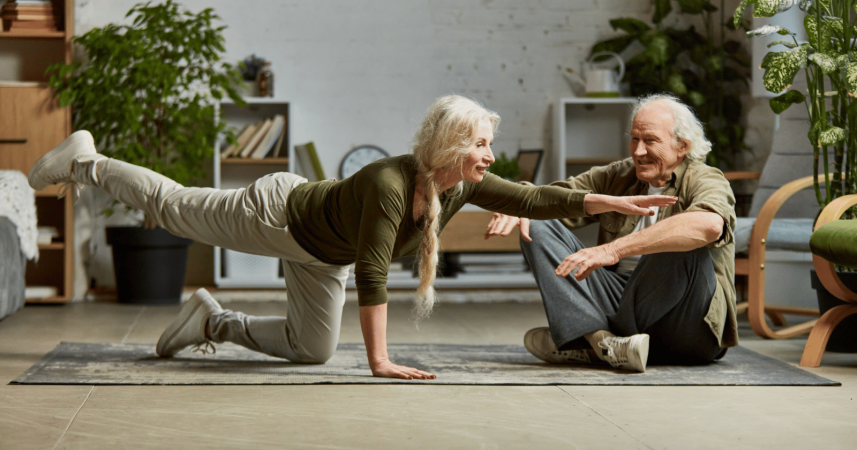
My grandmother didn't start any of this until her mid-60s, and now at 78 she's probably in better shape than I was at 30.
My grandmother turned 78 last month. She spent the morning at her local tai chi class, then volunteered at the food bank in the afternoon.
She's sharper, more energetic, and probably in better shape than I was at 30.
Here's what's interesting though. She didn't start any of this until her mid-60s. Before that, she was like most people her age, living a pretty sedentary lifestyle after decades of raising kids and working full-time.
Baby Boomers are rewriting the rules on aging, and research backs up what many of them already know. The activities they're choosing aren't just keeping them busy. They're literally adding years to their lives.
Today, we're looking at eight physical activities that doctors say have measurably extended the lifespan and healthspan of the Boomer generation.
Let's get into it.
1) Tai chi
Harvard researchers have been studying tai chi for years, and what they've found is pretty remarkable.
This slow, flowing martial art does something that typical cardio can't match. It improves balance, coordination, and what scientists call proprioception, which is your body's ability to sense where it is in space.
For people over 60, falls are one of the leading causes of injury and death. Tai chi directly addresses this risk by training the body to stay responsive and coordinated.
But it goes beyond just preventing falls.
Studies show that tai chi practitioners have better cognitive function and memory compared to people who only do activities like walking. The practice requires you to memorize movement sequences while maintaining focused attention, which keeps your brain active in ways that simple aerobic exercise doesn't.
My grandmother swears by it. She says the mental clarity she gets from her weekly classes is as valuable as the physical benefits.
The best part? You don't need to be flexible or fit to start. Tai chi meets you where you are.
2) Swimming
Swimming ranks as one of the most efficient workouts you can do, especially as you age.
It's a full-body exercise that burns as many calories as running, sometimes more, without the joint stress that comes with pounding pavement. An hour of vigorous swimming can torch up to 650 calories.
The water's buoyancy takes pressure off your joints, making it ideal for people with arthritis or previous injuries. But don't mistake low-impact for low-intensity.
Swimming builds cardiovascular endurance, strengthens muscles throughout your entire body, and improves lung capacity. Research also links it to better mood, lower stress levels, and improved sleep quality.
For Boomers who spent their younger years playing high-impact sports, swimming offers a way to maintain fitness without the wear and tear.
The pool doesn't judge your fitness level. You can start slow and build from there.
3) Pickleball
If you haven't heard about pickleball yet, you're probably not paying attention.
This hybrid of tennis, badminton, and ping pong has exploded in popularity, especially among people over 55. The numbers tell the story. Participation grew by more than 50 percent from 2022 to 2023, making it the fastest-growing sport in America for three consecutive years.
But here's the real kicker. Research shows that racquet sports like pickleball reduce mortality risk by 47 percent compared to being inactive. That's massive.
Specifically, playing racquet sports reduces the risk of dying from heart disease by 56 percent.
The smaller court means less running than tennis, which is easier on aging knees and hips. The plastic ball moves slower, giving you more time to react. And the underhand serve protects your shoulders from the repetitive stress of overhead motions.
What makes pickleball especially effective for longevity is the combination of factors. You're getting cardiovascular exercise, working on balance and coordination, engaging your brain with strategy, and connecting socially with other players.
Longevity expert Dan Buettner says it's one of the best activities for reaching 100.
4) Strength training
After 50, you lose about half a pound of muscle mass every year if you're not doing anything to stop it.
That might not sound like much, but over a decade or two, it adds up. Less muscle means weaker bones, reduced metabolism, and greater risk of injury from everyday activities.
Strength training reverses this process.
Lifting weights just two or three times a week increases muscle mass and bone density. It improves balance and coordination, which reduces fall risk. And it has metabolic benefits that extend far beyond the gym, helping with everything from blood sugar control to cholesterol levels.
You don't need heavy barbells or complicated equipment either. Resistance bands, bodyweight exercises, or light dumbbells all work.
The key is consistency, not intensity.
Boomers who've incorporated strength training into their routines report feeling more capable in daily life. They can carry groceries, play with grandkids, and maintain independence longer.
That's not just about living longer. It's about living better.
5) Yoga
Yoga gets dismissed sometimes as just stretching with better marketing. But the research shows it's much more than that.
Regular yoga practice improves flexibility, muscle strength, and balance. It enhances lung capacity through focused breathing exercises. And it's been proven effective for managing chronic pain, particularly in the lower back.
Recent studies also found that mind-body exercises like yoga have significant impacts on memory and cognitive function. In one analysis, yoga showed the most substantial effects on cognition compared to other forms of low-intensity exercise.
What sets yoga apart is the mental component.
The practice combines physical postures with breath control and meditation, creating a holistic approach to wellness that addresses both body and mind.
For people dealing with the stress of aging, career transitions, or health concerns, yoga offers a way to manage anxiety while staying physically active.
You can start with gentle styles like Hatha or chair yoga if you're not particularly flexible. The practice adapts to your abilities.
6) Cycling
There's something liberating about cycling that you don't get from other forms of exercise.
Maybe it's the wind, the speed, or just the fact that you're covering real distance. Whatever it is, cycling offers both practical transportation and serious health benefits.
It's a low-impact activity that strengthens your legs and core without stressing your joints. It boosts cardiovascular fitness and improves joint mobility. And because you can adjust the intensity, it works for people at different fitness levels.
The outdoor element matters too. Cycling gets you into nature and fresh air, which has its own mental health benefits.
Whether you're biking around your neighborhood or tackling longer rides, you're building stamina and protecting your heart.
Plus, unlike running, your knees will thank you.
7) Walking (but make it social)
Walking is probably the most accessible form of exercise on this list, and that's exactly why it works for so many people.
You don't need equipment, a gym membership, or special skills. You just need to move.
But here's where Boomers have gotten smart about it. They've turned walking into a social activity.
Walking groups, mall walking clubs, hiking meetups. The combination of physical movement and social connection amplifies the benefits.
A 12-year study tracking over 250,000 adults found that those who met the standard guideline of 150 minutes of moderate exercise per week, like brisk walking, had a 13 percent lower risk of death compared to inactive people.
The key is consistency and intensity. A leisurely stroll is fine, but brisk walking that gets your heart rate up delivers better cardiovascular benefits.
I've mentioned this before but one of the most powerful lessons from behavioral science is that habits stick when they're enjoyable and social. Walking with friends checks both boxes.
8) Dancing
Dancing might not feel like "real" exercise, but your body doesn't know the difference.
It's a full-body workout that improves cardiovascular health, balance, flexibility, and coordination. The stop-and-start nature of most dance styles works multiple muscle groups while keeping your heart rate elevated.
What makes dancing particularly valuable for aging populations is the cognitive component.
You're memorizing steps, responding to music, coordinating movements, and often interacting with a partner or group. This mental engagement, combined with physical activity, creates powerful effects on brain health.
Dancing reduces symptoms of anxiety and depression while boosting mood. The social element matters too. Dance classes and social dancing events combat loneliness and create community connections.
For people who find traditional exercise boring, dancing offers an alternative that doesn't feel like work.
You're enjoying music, connecting with people, and getting a serious workout all at once.
Plus, unlike jogging or lifting weights, dancing lets you express yourself creatively while you're at it.
Conclusion
The common thread through all these activities isn't intensity or difficulty. It's sustainability and enjoyment.
Boomers figured out that the best exercise is the one you'll actually do consistently. These activities work because they offer multiple benefits beyond just burning calories. They build strength, improve balance, engage the brain, and create social connections.
You don't need to do all eight. Pick one or two that actually sound appealing to you, not what you think you should be doing.
The goal isn't to maximize every possible health metric. It's to find movement that adds life to your years, not just years to your life.
Your future self will thank you for starting today.
What’s Your Plant-Powered Archetype?
Ever wonder what your everyday habits say about your deeper purpose—and how they ripple out to impact the planet?
This 90-second quiz reveals the plant-powered role you’re here to play, and the tiny shift that makes it even more powerful.
12 fun questions. Instant results. Surprisingly accurate.