What if the very things our parents dismissed as “lazy” are actually teaching an entire generation how to live with more clarity, calm, and purpose?
It’s funny how what one generation mocks becomes the next generation’s identity.
Boomers had their vinyl records and backyard barbecues. Gen X had their grunge bands and cynicism. Millennials gave us avocado toast and digital burnout. And then came Gen Z, the first truly internet-native generation, with hobbies that seem to blend introspection, creativity, and quiet rebellion.
To the average Boomer, some of these activities might look like indulgent time-wasting. But look closer and you’ll find that most Gen Z hobbies are deeply intentional.
They’re rooted in mindfulness, sustainability, and authenticity, all things Boomers, in fairness, didn’t have much time to prioritize while building their lives from scratch.
As someone who straddles both worlds, analog childhood and digital adulthood, I find this generational shift fascinating. These new hobbies aren’t just pastimes. They’re windows into how a generation copes, creates, and connects.
Let’s unpack eight Gen Z hobbies that would’ve been mocked in Boomer households, and why they make a surprising amount of sense today.
1) Journaling for mental health
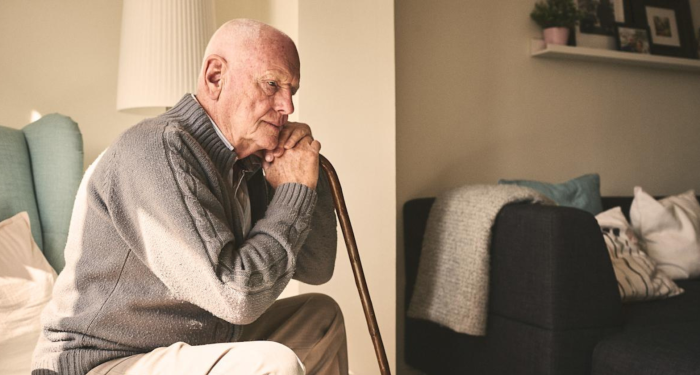
Boomers might’ve rolled their eyes at this one.
For them, emotions were something you managed quietly. Writing about them? That was something poets or “sensitive types” did. But for Gen Z, journaling isn’t about dramatics, it’s about clarity.
It’s no surprise that journaling took off again during the pandemic. Isolated and overstimulated, people needed a space to process. For many, that space became a notebook or a Notes app.
There’s psychology behind it too. Studies show that expressive writing reduces anxiety, boosts mood, and even improves memory. By naming their emotions, Gen Zers are literally rewiring their stress responses.
I started journaling myself during a burnout phase. Ten minutes a night, nothing fancy. But that simple act of externalizing my thoughts gave me something no productivity hack ever could, peace of mind.
So while a Boomer might’ve called it “wallowing,” journaling is really about emotional agility, the ability to move through feelings instead of getting stuck in them.
2) Curating digital aesthetics
You know the phrase “your vibe attracts your tribe”? Gen Z lives by it.
To Boomers, the idea of spending hours tweaking your workspace lighting or color-coordinating your Pinterest board might sound absurd. But for Gen Z, aesthetics are a language, a way to communicate identity in a noisy digital world.
They’re not just decorating, they’re designing mood environments.
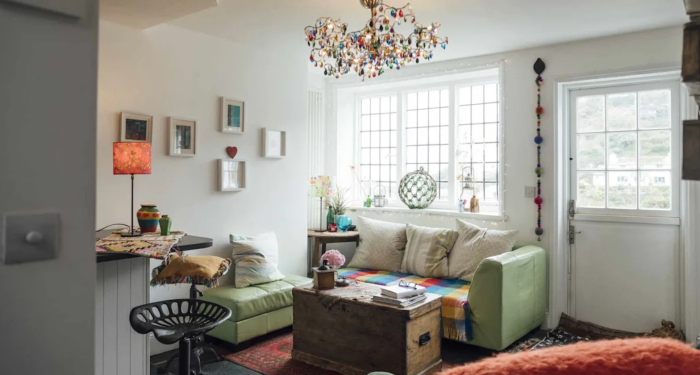
I’ve been to Gen Z homes that feel like curated art installations, each corner expressing something personal. One friend told me her goal was to make her apartment feel like “the inside of a Wes Anderson film.” Another described her vibe as “cyber-cottagecore.”
We might laugh, but there’s science here. A study published in the Journal of Environmental Psychology found that viewing images of natural, orderly environments improved visuospatial working memory compared with urban scenes, suggesting visual order really can boost focus.
Boomers didn’t grow up in an age of infinite screens. Gen Z did. So, naturally, they’re more conscious of what they look at and how it makes them feel.
Those LED lights and neatly arranged plants? They’re not vanity. They’re control in a chaotic world.
3) Making niche content
Try explaining to your dad that people now earn money by whispering into microphones or filming “what I eat in a day” videos.
You’ll probably get a blank stare.
Boomers valued hobbies that were useful, woodworking, gardening, volunteering, or maybe golf. Gen Z finds meaning in self-expression, even if it doesn’t look productive at first.
Micro-content creation, think ASMR, booktok, cozy gaming, or “quiet vlogging,” celebrates the personal and the particular. The goal isn’t mass appeal, it’s intimacy.
When I started blogging about music years ago, it felt like shouting into the void. No one cared about niche content back then. But that practice taught me discipline and gave me a voice. Many Gen Z creators are doing the same, sharing small, authentic pieces of their world until they find their people.
It’s less about going viral and more about being seen. And that’s a fundamental human need Boomers didn’t always get to prioritize.
4) Thrifting and upcycling
For Boomers, secondhand often meant second best. It symbolized scarcity.
But Gen Z turned thrifting into something stylish, sustainable, and, dare I say, philosophical.
It’s not just about scoring a $5 vintage denim jacket, though that’s a perk. It’s about rejecting the fast-fashion machine that chews through both people and the planet.
There’s also a powerful psychological element. When you upcycle something, you engage your creativity and your values. You’re saying, “I can make meaning from what already exists.”
When I traveled through Berlin a few years back, I noticed pop-up thrift collectives run entirely by teens and twenty-somethings. They weren’t just reselling clothes, they were storytelling through them. Each item had a narrative, a past, a purpose.
Boomers saw secondhand as necessity. Gen Z sees it as authenticity, a way to opt out of the disposable culture they inherited.
5) Plant parenting
If you’ve ever walked into a Gen Z apartment, you’ve probably been greeted by at least three pothos vines and a moody fiddle-leaf fig.
To a Boomer, it might seem excessive. “Why so many plants?” they’d ask. But to Gen Z, plant care is emotional care.
Houseplants became the new pets during lockdown. They require patience, attention, and light, the same things humans thrive on. And unlike people, plants don’t talk back or ghost you.
Research from the University of Technology Sydney found that introducing indoor plants in an office led to reductions in tension/anxiety by up to 37 % and fatigue by around 38 %.
When I finally bought my first monstera, I thought it was just decor. A month later, I realized it had become a ritual, checking its soil, noticing new leaves. It was mindfulness in slow motion.
Boomers might’ve seen that as silly. But maybe what they called “overly sensitive” is just emotionally intelligent.
6) Talking openly about therapy
Let’s be honest, therapy used to be taboo.
In most Boomer households, the only people who “needed therapy” were those in crisis. You didn’t air your dirty laundry; you soldiered on.
Gen Z tore that playbook up.
They talk about their therapists like they’re personal trainers. They share tips on attachment styles, trauma healing, and mindfulness apps. What used to be private is now normalized, even celebrated.
It’s easy to scoff at this level of emotional transparency. But I think it’s progress. When people talk openly about therapy, they destigmatize struggle. They remind others that being human is hard, and that it’s okay to get help.
I’ve mentioned this before, but when I first saw a therapist, I felt guilty. It felt like admitting weakness. Now I realize it was one of the strongest things I could’ve done.
Gen Z figured that out early, and they’re healthier for it.
7) Minimalist living
“Why would you live in a van when you could have a house?”
That’s a Boomer question if there ever was one.
To them, success was accumulation. Bigger houses, fuller closets, longer resumes. But Gen Z grew up watching debt, stress, and climate anxiety pile up around that model, and they quietly said, “No thanks.”
For them, minimalism isn’t deprivation. It’s freedom.
Fewer things mean fewer worries. A smaller footprint means a lighter conscience. Whether it’s digital detoxing, capsule wardrobes, or living out of a backpack, this generation has mastered the art of enough.
I experienced a version of this during a six-month trip through Southeast Asia. Living out of a single duffel bag taught me something profound, the less you own, the more room you have for clarity.
Boomers built empires. Gen Z builds balance.
8) Sharing life online
This one might be the most misunderstood.
To Boomers, posting your every move online seems narcissistic. “Why would anyone care what you had for lunch?” they’d say.
But Gen Z’s digital sharing isn’t about vanity, it’s about vulnerability. It’s a public diary for a generation raised on connection.
When someone posts a “day in my life” vlog, they’re not just performing, they’re creating community. They’re saying, “Hey, I’m figuring this out too.”
Of course, there are downsides, comparison culture, doomscrolling, the illusion of perfection. But when done right, sharing life online helps people find their tribe.
When I started posting my own reflections years ago, I didn’t expect much. But messages from strangers saying “This helped me” made me realize that authenticity online still matters.
Gen Z understands that storytelling is survival, and they’re using every platform available to do it.
The bigger picture
Every generation’s hobbies reveal its hidden values.
Boomers valued security, stability, and reputation. Gen Z values wellness, authenticity, and sustainability.
Where Boomers chased status, Gen Z seeks meaning. Where their parents built empires, they’re building inner worlds.
It’s easy to laugh at the ring lights, the journaling prompts, or the obsession with vibes. But behind it all is a generation trying to do something revolutionary, feel their feelings, live intentionally, and stay kind in a chaotic world.
Maybe the truth is this, what Boomers called weird, Gen Z calls healing.
And if that healing happens with a latte, a playlist, and a perfectly lit room full of plants, honestly, more power to them.
Because every generation has its rebellion.
Gen Z’s just happens to look a little softer, and a lot wiser.