Sometimes longevity has less to do with time and more to do with how deeply you engage with the life you already have.
Longevity isn’t just about lucky genes or cutting-edge supplements.
It’s about rhythm. The pace you live at, the routines that fill your days, and the simple things you do without overthinking them.
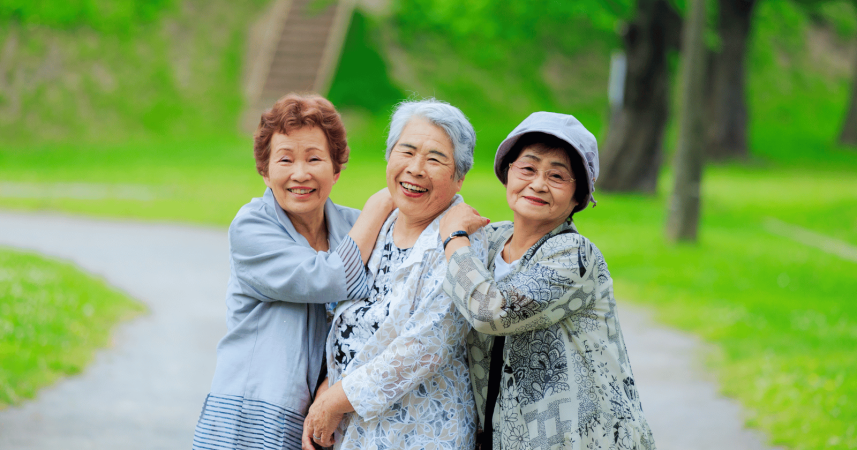
Japan, especially places like Okinawa, has one of the highest concentrations of centenarians in the world. These aren’t just people surviving into old age; they’re thriving. Gardening, laughing, walking, cooking. Still curious about life. Still showing up.
The magic isn’t in doing more. It’s in doing the right small things, consistently.
Let’s explore eight everyday habits that help Japanese centenarians live long, calm, and meaningful lives—and that might just add years to ours.
1) They tend their gardens
If you visit rural Okinawa, you’ll notice that nearly every home, no matter how modest, has a small garden bursting with greens, herbs, and flowers.
It’s not about producing food for survival; it’s about staying engaged with life itself.
Gardening demands patience, care, and gentle movement. It gets people outdoors, exposed to sunlight and fresh air, while giving their hands and minds something to do. There’s a meditative rhythm to it: till, plant, water, harvest, repeat.
Psychologists have long known that activities connecting us with nature reduce stress hormones and improve immune function. But beyond the science, there’s something deeply grounding about watching life grow because of your effort.
I started growing herbs on my balcony during lockdown, just basil and mint at first. But that small patch of green quickly became something I looked forward to tending. Watching new leaves appear made me feel hopeful in ways that were hard to describe.
That’s the quiet power of gardening. You nurture something outside yourself, and in doing so, you nurture yourself.
2) They walk… everywhere
One thing that stands out in Japanese communities is how much people walk. To the market. To see friends. Around the neighborhood.
It’s not treated as “exercise.” It’s just life.
Walking builds endurance, strengthens the heart, and keeps the joints flexible. But it also supports mental health in a way that few activities can. It’s meditative, rhythmic, and most importantly, accessible to almost everyone.
In Okinawa, there’s a saying that loosely means, “Move naturally, every day.” That mindset keeps people active without the guilt or pressure we often attach to fitness.
Personally, I notice the difference when I walk more. Ideas come easier. My mood stabilizes. I start to feel less trapped in my head and more part of the world around me.
You don’t need an app to track it. Just walk. Every day, a little further if you can.
3) They cook their meals from scratch
In a culture known for convenience stores that sell everything from sushi to socks, Japan’s older generations still prioritize home-cooked meals.
It’s not about perfection or presentation; it’s about nourishment.
Okinawan diets are plant-forward and simple: tofu, miso, seaweed, rice, vegetables, and small portions of fish. Meals are eaten slowly, often with gratitude, and guided by the principle of hara hachi bu—stopping when you’re about 80% full.
This mindful approach prevents overeating and keeps digestion smooth, but it also turns eating into an act of appreciation rather than escape.
When you cook, you become part of the process. You chop, stir, taste, and adjust. You engage with your senses. That level of involvement has been linked to better emotional regulation and satisfaction with life.
I’ve noticed it myself. When I cook at home, especially a vegan meal, I slow down. I put music on. I taste the ingredients individually. Food stops being fuel and starts being an experience.
Maybe that’s why Japanese elders live so long: they don’t rush the parts of life that are meant to be savored.
4) They stay socially connected
Loneliness shortens lives. That’s not just an opinion; it’s a scientific fact. Studies have shown that chronic isolation can have the same health impact as smoking fifteen cigarettes a day.
Japanese centenarians rarely experience it.
Their lives are interwoven with community. They maintain close ties with friends and family through small social circles known as moai. A moai is more than a group of friends; it’s a lifelong support system. Members check in on each other, share meals, and even pool money to help in times of need.
That kind of belonging fosters not just emotional stability but purpose. It reminds each person they matter.
When I spent time in Japan a few years ago, I was struck by how communal everyday life felt. Neighbors talked over garden walls, people bowed to each other on morning walks, and small businesses remembered their customers by name.
It wasn’t performative. It was culture.
We often underestimate how deeply we need that. Maybe adding years to your life starts with something as simple as nurturing genuine connections.
5) They practice gentle movement
Not all exercise needs to leave you breathless.
In Japan, even elderly people often start their mornings with radio taiso, a short routine of stretches and calisthenics broadcast nationwide. It’s low impact, rhythmic, and easy to follow. You’ll find people in their seventies and eighties doing it together in parks, moving in sync to soft piano music.
These simple routines maintain flexibility, balance, and coordination, all of which are key to aging well.
Other forms of gentle movement, like yoga or tai chi, are also popular. They focus on harmony between breath and body, improving circulation and calming the nervous system.
I used to think fitness had to be intense to count. But after years of pushing too hard, my joints disagreed. So I traded HIIT workouts for yoga and walking, and my energy actually improved.
Japanese centenarians seem to have mastered that balance. They move enough to stay strong but never so much that it breaks them down.
6) They find flow through craft
Flow is that state when time disappears because you’re completely immersed in what you’re doing. It’s one of the most rewarding mental states humans can experience, and Japanese elders often reach it through creative hobbies.
Pottery, calligraphy, sewing, ikebana (flower arranging); each craft requires precision and patience. It demands presence.
In psychology, flow has been linked to improved mood, lower anxiety, and greater satisfaction with life. For older adults, it even correlates with better cognitive function and memory retention.
But beyond the science, it’s about meaning. Making something with your hands reminds you that your contribution still matters.
For me, photography is that flow. When I’m behind the camera, hours slip by unnoticed. I’m not thinking about deadlines or emails, just light, texture, and emotion.
Japanese culture celebrates that kind of focus. It’s not about perfection; it’s about dedication to the process.
7) They live by purpose, not pressure
Okinawans have a word for this: ikigai. It’s the reason you get up in the morning.
It’s not necessarily your job or your passion; it’s your personal why. Maybe it’s caring for family, mentoring others, creating art, or simply contributing to your community.
Having ikigai gives direction to life, especially as people age. It turns routine into ritual.
Research published in Psychological Science shows that people with a sense of purpose live longer, regardless of age, income, or education. Purpose literally sustains the body as well as the spirit.
I think about my ikigai often. For me, it’s creating things that make people think differently, writing that sparks reflection, photography that makes someone pause. It changes over time, but it’s always there.
Without purpose, even good habits can feel hollow. With it, everything becomes meaningful.
8) They practice daily gratitude
Gratitude is one of those habits that sounds cliché until you realize how powerful it is.
In Japan, gratitude is built into daily rituals: bowing before meals, saying itadakimasu (“I humbly receive”), thanking others frequently, reflecting quietly before bed.
These small gestures train the mind to focus on abundance, not lack.
Neuroscience backs this up. People who practice gratitude regularly show reduced levels of cortisol (the stress hormone) and greater activation in brain regions linked to happiness and empathy.
Gratitude also strengthens relationships, which in turn reinforces emotional and physical well-being. It’s a ripple effect.
I’ve been journaling three things I’m grateful for every night for the past year. It’s subtle, but it shifts my entire mindset. I wake up calmer. I notice beauty in ordinary things: the morning light, a good song, a conversation that lingers.
Japanese elders seem to understand that gratitude is not a mood; it’s a practice. One that keeps your heart young long after your hair turns gray.
The bottom line
Japanese centenarians don’t live long because they’re chasing longevity. They live long because they live well.
They move daily, eat mindfully, connect deeply, and approach life with purpose and gratitude. Their hobbies aren’t luxuries; they’re anchors, small, meaningful actions that nourish body and spirit.
Longevity isn’t about hacking biology. It’s about alignment, between how you live, how you think, and what you value.
Maybe the best way to add years to your life is to fill the ones you already have with intention.
Because as the Japanese saying goes, fall seven times, stand up eight.
And that’s how you keep going.
If You Were a Healing Herb, Which Would You Be?
Each herb holds a unique kind of magic — soothing, awakening, grounding, or clarifying.
This 9-question quiz reveals the healing plant that mirrors your energy right now and what it says about your natural rhythm.
✨ Instant results. Deeply insightful.