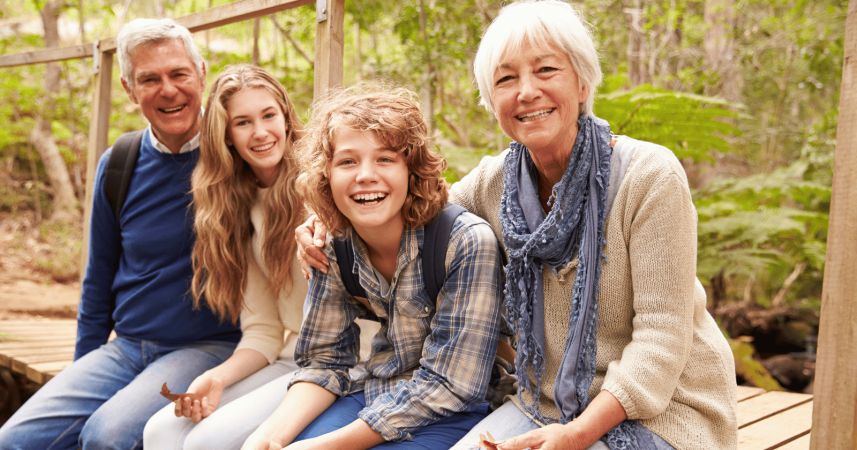
My dad ate pavement for three months learning to skateboard at sixty-eight, and now my nephew actually asks when he can visit again.
My nephew turns seven next month, and watching my parents navigate grandparenthood has been fascinating.
They're nothing like the grandparents I remembered from my childhood. No knitting circles or endless reruns of game shows. Instead, my dad learned to skateboard at sixty-eight, and my mom has become a legit Minecraft expert.
The difference? Kids actually ask to visit them now.
Here's what I've noticed about specific activities grandparents are picking up that make grandkids genuinely excited to hang out with them.
1) Gaming (yes, actual video games)
My mom spent three months learning Minecraft because that's what my nephew was obsessed with. Not just watching him play, but actually understanding crafting recipes and biome mechanics.
Now when he visits, they build together. She doesn't dominate the game or pretend to be an expert. She asks questions, learns from him, and occasionally surprises him with a redstone contraption she figured out on YouTube.
The psychology here is simple. Kids feel seen when adults enter their world instead of demanding they enter ours.
It doesn't have to be Minecraft. I know grandparents who play Mario Kart, Roblox, even Fortnite. The specific game matters less than the willingness to pick up a controller and genuinely try.
2) Skateboarding or biking
My dad started skateboarding at the local park at sixty-eight. Is he good? Absolutely not. Does my nephew think he's the coolest grandpa in Sacramento? Without question.
There's something magnetic about grandparents on wheels. Maybe it's the unexpected nature of it. Maybe it's that skateboarding and biking feel inherently playful rather than exercise-focused.
I've seen grandparents at Venice Beach cruising on longboards with grandkids. Others doing family bike rides that feel more like adventures than workouts.
It's not about athletic prowess. It's about showing that trying new things doesn't have an expiration date and that falling down is just part of the process.
3) Cooking or baking together
My partner's grandmother taught herself to bake sourdough during lockdown. When their nieces visit, she doesn't give formal lessons. She just bakes, and they wander into the kitchen because it smells good.
Next thing you know, they're kneading dough and learning about fermentation without realizing they're learning.
But it's not just bread. Pancakes work. Pizza making is huge. Even simple stuff like decorated cookies or homemade pasta.
Every time my nephew visits my parents, they make pancakes together. Not fancy ones. Just regular pancakes with whatever mix-ins they find in the pantry. It's become their thing.
The kitchen creates natural collaboration. You're working toward something tangible. There's immediate gratification. And you get to eat the results.
4) Photography
I spend a lot of time with my camera around Venice Beach, and I've noticed a trend. Grandparents with decent cameras or even just phones who actively take photos with grandkids rather than just of them.
They're teaching composition basics. Letting kids use the camera. Going on photo walks where everyone's looking for interesting shots.
It works because photography is about seeing. You're training yourselves to notice things together. Light, patterns, moments worth capturing.
Plus, kids love having creative control over documenting their own lives. Give a ten-year-old a camera for an afternoon and watch them come alive.
5) Gardening
My grandmother volunteers at a food bank every Saturday, but she also maintains a vegetable garden. When grandkids visit, there's always something to plant, water, or harvest.
Gardening operates on kid time. Things grow slowly. You have to wait. You have to care for something consistently over weeks and months.
But there's magic in pulling a carrot you planted from the ground. In eating a tomato you watched grow from a flower.
I've seen grandparents do everything from massive vegetable plots to simple herb gardens on apartment balconies. The scale doesn't matter. The process does.
6) Building or making things
Woodworking. Model building. Pottery. Anything where you're creating something physical with your hands.
My friend's grandfather has a workshop where they build birdhouses. Not fancy ones. Just functional boxes that might actually house birds.
I've mentioned this before, but the psychology of learning is rooted in autonomy. When kids feel like they're genuinely contributing to a project rather than just watching an adult work, they're invested.
Pottery classes are popping up everywhere. Grandparents and grandkids taking them together. Making wonky bowls and misshapen mugs that become treasured objects because of who made them together.
The key is picking activities where imperfection is built in. Where there's no single right way to do it.
7) Hiking or nature exploration
Not just walking. Actual hiking with a sense of adventure and discovery.
Grandparents who research trails with interesting features. Waterfalls. Weird rock formations. Caves. Things that give the hike a destination beyond just exercise.
I see this all the time at Griffith Park and Runyon Canyon. Multi-generational hiking groups where grandparents are genuinely engaged in the experience, not just trudging along out of obligation.
Bring field guides. Look for birds or insects. Turn it into nature scavenger hunts. The walking becomes secondary to the exploration.
Research suggests that time in nature reduces stress and improves mental wellbeing across all ages. But beyond the science, kids are natural explorers. They just need adults willing to explore with them.
8) Music or art classes
Grandparents taking actual classes in things like guitar, painting, or ceramics. Then practicing those skills when grandkids visit.
Not teaching the grandkids. Learning alongside them or near them.
My parents' house isn't a museum waiting for grandkids to arrive. It's a living space with ongoing projects. There are paint supplies out. A ukulele my mom is learning sits on the couch.
When kids see adults actively learning, it normalizes the struggle. They watch you mess up. They see you practice. They understand that skill-building is a process, not a destination.
Plus, there's something about shared creative space. You're both painting or playing music. Nobody's the expert. You're just two people making stuff together.
Conclusion
Here's what ties all this together.
These aren't activities grandparents are picking up for their grandkids. They're activities grandparents are genuinely pursuing, and grandkids get to participate in that pursuit.
That's the difference. Kids can smell obligation. They know when adults are doing something solely to entertain them versus when they're invited into something the adult actually cares about.
My dad didn't buy that skateboard to be a cool grandpa. He bought it because he'd always wanted to try. My nephew just happened to benefit from that choice.
Your grandkids already love you. These activities just give them reasons to actively choose your company instead of enduring visits out of obligation.
Pick something that genuinely interests you. Get decent at it. Then let your grandkids into that world.
That's it. That's the whole strategy.