Living in Bangkok taught me that the best connections happen when nobody expects you to perform, just to show up and be present.

Add VegOut to your Google News feed. 
I used to think being introverted meant I was broken somehow. Like there was something wrong with me for feeling exhausted after a night out while my friends seemed energized by the same experience.
Then I spent three years in Bangkok and everything shifted. I'd watch locals gather at the night market, sitting quietly together over street food, not feeling pressured to fill every silence with conversation. I befriended a coffee cart owner near Chatuchak Market who'd slip me free biscuits without much talking. Just presence. Just connection without performance.
That's when I realized the problem wasn't introversion. The problem was how we've been taught to socialize. Most social activities are designed by and for extroverts, leaving the rest of us feeling like we're failing at being human.
But lately, I've noticed something changing. Introverts are finding their own ways to build social lives that don't leave them needing three days of recovery. These aren't your typical "join a book club" suggestions. These are activities that respect your energy while still giving you genuine connection.
1) Cooking classes focused on technique
Here's the thing about most social activities. They require constant conversation, quick wit, and the ability to think on your feet while also reading the room. Exhausting.
Cooking classes are different. Your hands are busy. Your attention is on the task. The conversation flows naturally around what you're doing rather than requiring you to generate topics from thin air.
I spent over a decade in fine-dining kitchens learning classical European technique, and I can tell you that cooking alongside someone creates a different kind of bond. There's something about chopping vegetables together or watching a sauce come together that removes the pressure of forced interaction.
The best part? You're learning something tangible. You leave with an actual skill, not just small talk fatigue. And if you need a moment of quiet, you can focus intently on your knife work without it being weird.
Look for classes that emphasize technique over entertainment. Bread-making workshops. Pasta-making sessions. These tend to attract people who actually want to learn, not people looking for a party with cooking as a backdrop.
2) Strength training at the same time each day
I hit the gym five to six times a week, always early morning. Same time, same place. And over months, you start recognizing faces.
The beauty of gym friendships? They're built on routine and shared suffering, not constant conversation. You nod at the same people. Maybe spot someone on a heavy lift. Exchange a few words about form or programming. That's it.
But those micro-interactions add up. There's a genuine sense of community that develops without the energy drain of traditional socializing. Nobody expects you to be "on." Nobody's offended if you're not chatty. Everyone's there to do their thing.
I've made some solid connections this way. Not the kind where we grab drinks every weekend, but the kind where we genuinely care about each other's progress and well-being. There's something valuable in that consistency without intensity.
Plus, the endorphins don't hurt. Strength training gives you mental clarity and stress relief, making the social aspect feel like a bonus rather than the main event.
3) Farmers market routines
Every weekend, I'm at the same local farmers market in Austin. Same vendors. Same route through the stalls. And somewhere along the way, it stopped being just about buying vegetables.
The produce guy knows I'm looking for whatever's freshest. The bread baker saves me a sourdough if I'm running late. These aren't forced friendships. They're relationships that grew organically from repeated, low-pressure interactions.
This is introvert socializing at its finest. Short conversations about tomatoes or weather. Genuine but brief. You get to be part of a community without the exhaustion of prolonged social performance.
I learned this pattern in Thailand, visiting the morning markets near my apartment. The rhythm of showing up, being recognized, exchanging a few words. It filled my social needs without draining my energy reserves.
The key is consistency. Pick a market, go regularly, and let the relationships develop naturally. Don't force it. Just show up, be pleasant, and let time do the rest.
4) Weekly poker games with the same crew
I've been in the same poker game for over a year now. Same six people, same Thursday nights. And it's become one of my favorite social commitments.
Why? Because poker gives you something to focus on besides conversation. You can be quiet while you think about your hand. The social interaction is structured around the game, not around your ability to be entertaining.
There's also something about the repetition that works for introverts. You're not walking into a room full of strangers every week. You're settling into familiar company. The conversation flows easily because you know these people. The silences are comfortable.
I've noticed this works especially well for men, who often struggle with traditional forms of socializing. Having an activity as the centerpiece removes the pressure to be emotionally vulnerable or conversationally brilliant.
Card games, board game nights, chess clubs. They all work on the same principle. The game mediates the interaction, giving your introverted brain something concrete to engage with while the social connection happens almost incidentally.
5) Volunteering in structured roles
I recently started helping at a sustainable food initiative here in Austin. My role is specific. I'm not expected to mingle or network. I show up, do my assigned tasks, and leave.
But I'm also part of something. I see the same volunteers each week. We work alongside each other toward a common goal. And that creates connection without the energy drain of unstructured social events.
The structure is what makes this work for introverts. You know what's expected. There's a clear beginning and end. And the focus is on the work, not on performing sociability.
I've had more genuine conversations while organizing donation boxes than I've had at a hundred networking events. When people are working together, the conversation flows naturally. Nobody's trying to impress anyone. You're just humans doing something useful together.
Look for volunteer opportunities with clear roles. Food banks, animal shelters, environmental cleanups. Places where the work itself provides the structure and purpose.
6) Photography walks with small groups
During my Thailand years, I started documenting my travels through photography. It became a form of active meditation for me. Looking through a lens forces you to be present, to really see what's in front of you.
Now I occasionally join small photography walks in Austin. Maybe five or six people, wandering through a neighborhood or park, taking photos. The activity itself is solitary. You're focused on composition and light. But you're also together, sharing the experience.
The conversations happen naturally during breaks or while reviewing shots. And because everyone's focused on their craft, there's no pressure to be constantly social. You can drift off to capture an image, then rejoin the group when you're ready.
This works for any kind of creative pursuit. Sketching groups, plein air painting, writing meetups. The creative focus gives your introvert brain something to engage with while still providing community and connection.
The key is keeping the groups small. Three to six people maximum. Large groups defeat the purpose.
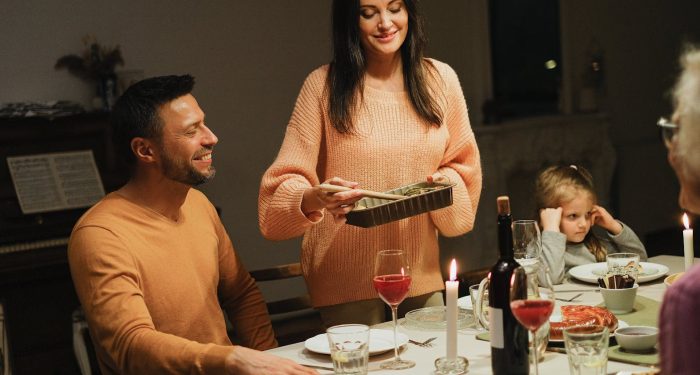
7) Small dinner parties you host
This might seem counterintuitive. Hosting sounds like peak extrovert territory, right? But hear me out.
When you host, you control everything. The guest list, the timing, the environment. You can invite only people you actually want to spend time with. You can set a clear end time. And you have the built-in task of cooking and serving, which gives you natural breaks from conversation.
I love hosting intimate gatherings at my place. Eight people maximum around my dining table. The kitchen is open to the dining area, so I can drift between cooking and conversation as my energy allows. When I need a moment, I'm checking on something in the oven. When I'm ready to engage, I sit down with everyone.
This was something I learned from coordinating high-profile dinners during my hospitality years. The host has control. And for introverts, that control is everything. You're not at someone else's party wondering when it's polite to leave. You're creating the exact social experience that works for you.
Plus, cooking for others is an act of care that doesn't require constant conversation. Your effort speaks for itself.
The shift happening now
Something's changing in how we think about socializing. There's growing recognition that the extrovert-centered model isn't working for huge portions of the population.
During my time living in Bangkok, I witnessed a completely different approach to community. People gathering quietly. Sharing space without demanding constant interaction. The concept of "sabai" - this sense of comfort and ease and contentment that doesn't require performance.
I think that's what these hobbies tap into. They create connection without performance. Community without exhaustion. Social lives that actually sustain us rather than drain us.
The goal isn't to become more extroverted. The goal is to find social activities that work with your nature rather than against it. To build genuine relationships in ways that honor your energy and needs.
Because introversion isn't something to fix or overcome. It's just a different way of processing the world and relationships. And when you find activities that respect that difference, socializing stops feeling like work and starts feeling like nourishment.
What’s Your Plant-Powered Archetype?
Ever wonder what your everyday habits say about your deeper purpose—and how they ripple out to impact the planet?
This 90-second quiz reveals the plant-powered role you’re here to play, and the tiny shift that makes it even more powerful.
12 fun questions. Instant results. Surprisingly accurate.