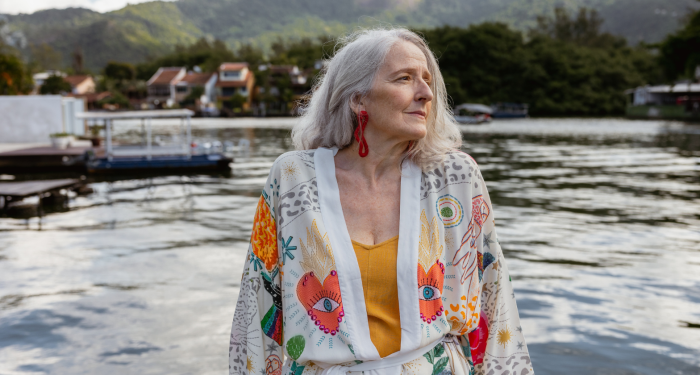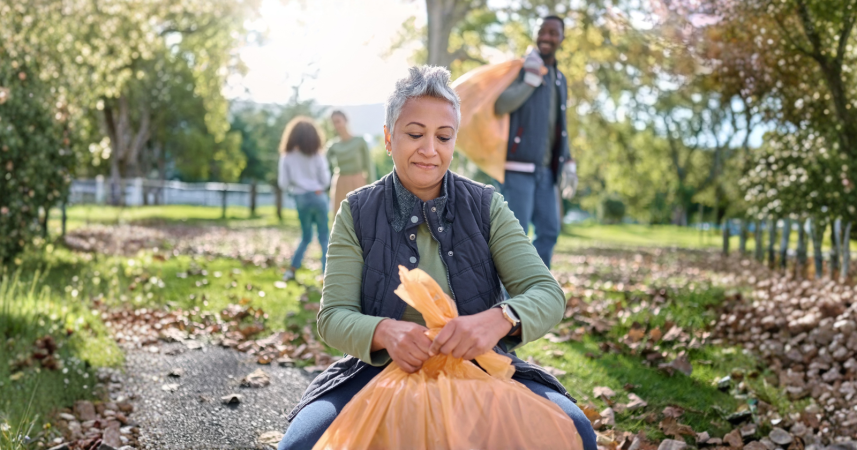
Purpose after parenting looks different, but the need to contribute and connect remains just as strong.
When your kids move out and the house gets quiet, you might notice this weird gap where all that daily caregiving used to be.
You spent years being needed in very specific, concrete ways, and suddenly that structure disappears.
But here's what I've watched my own parents navigate and what research on life transitions keeps showing: the need to feel useful and connected doesn't go away. You just have to redirect it in ways that fit this new chapter.
The good news? There are hobbies that let you contribute meaningfully to other people's lives without signing up for the kind of round-the-clock responsibility you just graduated from.
Here are eight specific options that give you that sense of purpose while keeping your newfound freedom intact.
1. Mentoring or tutoring young people
My mom started mentoring a college student who's exploring her career field, and watching that relationship develop has been really cool.
They meet once a month for coffee, my mom answers questions via email when they come up, and she gets to share decades of professional wisdom with someone who genuinely wants it.
The beauty of formal mentoring programs is they come with structure and boundaries built in. You're not adopting another child. You're offering guidance to someone at a specific point in their journey.
Tutoring works similarly. Maybe you help high school students with math, teach English to new immigrants, or guide young professionals through career transitions.
You show up for scheduled sessions, make a real difference in someone's development, and then go home.
The impact feels substantial because you're helping someone build skills or confidence they'll carry forward. But you control exactly how much time you're committing, and there's a clear understanding that this relationship has defined parameters.
You get to be the person who believes in someone and helps them grow, which hits that same fulfillment button that parenting did, just in a different way.
2. Fostering animals from shelters
Have you thought about fostering pets? My neighbor started doing this after her kids left, and she'll tell anyone who listens that it saved her during that transition. She takes in dogs or cats who need temporary homes while they wait for adoption.
Some stay a week, some stay a few months, but there's always an endpoint. She gets to nurture and care for living creatures who genuinely need her, without the 15-year commitment that comes with permanent pet ownership.
Fostering fills your home with life and purpose again. You're feeding, walking, training, and loving an animal who wouldn't survive without intervention. Shelters desperately need foster homes, so you're solving a real problem.
And when your foster pet gets adopted, you feel that bittersweet pride that comes from knowing you prepared them for their next chapter. Then you get to decide whether you want to foster again right away or take a break.
The flexibility matters. You're choosing when to step in and when to step back, which is probably pretty refreshing after years of parenting where that choice didn't really exist.
3. Teaching classes or workshops
Whatever skill you've spent years developing, someone out there wants to learn it.
Community centers, libraries, craft stores, and online platforms are always looking for people who can teach. My dad started leading woodworking workshops at the local community college, and he comes home energized in a way I haven't seen in years.
He gets to share something he loves, watch people's faces light up when they successfully complete a project, and feel like his knowledge matters.
The commitment is whatever you make it. Teach one Saturday workshop a month, lead a six-week series, or offer private lessons on your own schedule.
You're contributing your expertise while maintaining complete control over your calendar. Plus, teaching forces you to stay sharp in your own skills. When you're explaining concepts to beginners, you often rediscover why you fell in love with that hobby in the first place.
You're needed because you know things other people want to know, and that's a pretty straightforward exchange that feels good for everyone involved.
4. Volunteering at community gardens
There's something deeply satisfying about working with plants and soil, especially when you're doing it alongside other people.
Community gardens give you space to nurture living things, contribute fresh produce to food banks, and be part of a team working toward something tangible. You can see your impact in what grows. The tomatoes you helped plant become meals for families who need them.
The beauty of garden volunteering is the rhythm. You show up for scheduled work days, put your hands in the dirt, chat with fellow gardeners, and watch things grow over the season.
You're caring for something, but plants don't need you at 2am or require emotional support through life crises. You water, weed, harvest, and then go home. The garden keeps growing whether you're there every day or once a week.
You get to be part of something productive and life-giving while working at whatever pace suits you. Plus, being outside and physically active does good things for your mental health that sitting around an empty house definitely doesn't.
5. Being a "grandparent" figure through volunteer programs
Programs like reading buddies, after-school tutoring, or Big Brothers Big Sisters let you show up meaningfully in a child's life within clear boundaries.
You're not raising this child. You're being a consistent, caring adult presence during structured time slots.
I've seen how much this can matter from both sides. When I was in elementary school, I had a reading buddy who came once a week, and I still remember how special those 45 minutes felt.
These programs screen volunteers, provide training, and set expectations from the start. You might read with a kid for an hour every Tuesday, or meet with a teen twice a month for activities.
The relationship matters because you're reliable and present, but the program structure protects everyone's boundaries.
You get to experience that joy of watching a young person grow and knowing you played a part in it. You hear about their wins, encourage them through challenges, and become someone they can count on.
The need you're filling is real and important, but it comes with built-in parameters that keep it from consuming your whole life.
6. Creating handmade items for charity
If you're someone who likes working with your hands, making things for people who need them can be incredibly fulfilling.
Knit blankets for hospital patients, sew quilts for foster kids, build furniture for families transitioning out of homelessness, or craft comfort items for nursing home residents.
Your creations go directly to people experiencing difficult situations, and knowing your work provides comfort or utility gives you tangible purpose.
The best part? You work entirely on your own schedule. Craft while watching TV at night, spend Saturday mornings at your sewing machine, or build in your garage when the mood strikes.
Most charities that accept handmade donations are thrilled to get them whenever you finish. You're contributing something real and needed, but there's zero pressure about timing or quantity.
You can make one quilt a month or ten, depending on your energy and interest. Your hands are busy creating something meaningful, and someone else's life gets a little bit better because you took the time.
That exchange feels really good without requiring you to show up anywhere or coordinate with anyone.
7. Serving as a docent or museum guide
Museums, historical sites, botanical gardens, and nature centers rely heavily on volunteer guides who can share knowledge with visitors.
When you become a docent, you're the person who helps others understand and appreciate what they're seeing. You're sharing stories, answering questions, and making someone's visit more meaningful.
That feeling of helping people learn and appreciate something you care about hits a similar satisfaction button that helping your kids understand the world did.
Most docent programs provide thorough training, so you become genuinely knowledgeable about your institution. Then you sign up for shifts that work for your schedule. Maybe you lead tours every Thursday morning, or you volunteer during special exhibitions a few times a month.
The structure is clear, and your role is defined. Visitors benefit from your presence and expertise, and you get to spend time in places you find interesting while connecting with people.
You're needed to make the institution run smoothly and to enhance the visitor experience, but you clock in and clock out with no ongoing obligations.
8. Being a phone companion for isolated seniors
Loneliness among elderly people is a genuine crisis, and phone companion programs pair volunteers with seniors who need regular social contact.
You commit to calling someone weekly or biweekly, and those conversations become something both of you look forward to. You're providing real human connection to someone who might not have much of it otherwise. The relationship that develops can be surprisingly rich.
What makes this work well for empty nesters is the clear boundaries. You're not providing physical care, running errands, or solving medical problems. You're having conversations. You call at scheduled times, chat about life, listen to their stories, share your own, and provide that crucial reminder that someone cares and is thinking about them.
Programs that facilitate these connections typically provide support and guidelines, so you're never navigating complicated situations alone. With loneliness at an all-time high, you're filling a genuine need with something you have plenty of: time, attention, and the ability to be present for another person.
The emotional reward of knowing you're someone's bright spot each week can be profound.
Conclusion
The transition out of active parenting can feel disorienting, especially when your identity has been wrapped up in being needed for so long.
As Rudá Iandê writes in his book "Laughing in the Face of Chaos: A Politically Incorrect Shamanic Guide for Modern Life," "We live immersed in an ocean of stories, from the collective narratives that shape our societies to the personal tales that define our sense of self."
When your kids leave home, you're essentially rewriting your personal story. The narrative of who you are and what gives your life meaning shifts, and that can feel uncomfortable.
These eight hobbies give you ways to channel that caregiving energy into new directions that feel meaningful without recreating the intensity of raising children.
Pick something that genuinely interests you and try it out. The right fit will give you structure, purpose, and connection while respecting the freedom you've earned in this new chapter. You still have so much to offer. You're just figuring out where to direct it now.
What’s Your Plant-Powered Archetype?
Ever wonder what your everyday habits say about your deeper purpose—and how they ripple out to impact the planet?
This 90-second quiz reveals the plant-powered role you’re here to play, and the tiny shift that makes it even more powerful.
12 fun questions. Instant results. Surprisingly accurate.