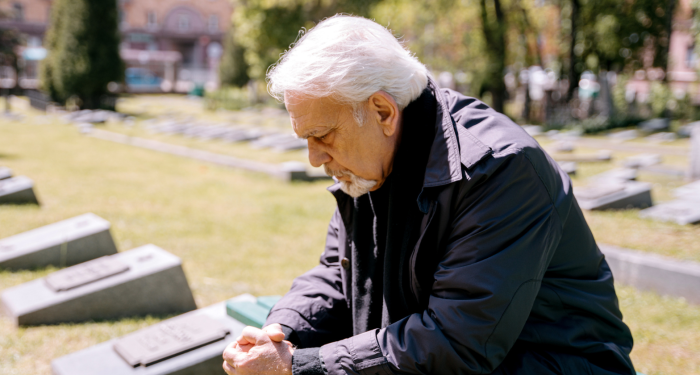
The happiest retirees share one thing in common: they fill their days with choices that spark meaning, growth, and connection.
Retirement isn’t just about leaving work behind. For some, it becomes a new beginning—a chance to reimagine what life can look like when your days are no longer dictated by a career clock.
What separates the retirees who feel restless from those who feel fulfilled often comes down to how they spend their time.
And while money matters, it’s not the biggest predictor of fulfillment. Psychology, lifestyle research, and lived experience all point to the same thing: the activities we choose shape how meaningful retirement feels.
Here are seven pastimes that make the biggest difference.
1. Volunteering in their community
One of the strongest predictors of purpose in retirement is giving back. Whether it’s mentoring kids, helping at a food bank, or joining environmental efforts, volunteering offers a sense of being useful and connected.
Psychologists have studied this closely. According to a study in The American Journal of Preventive Medicine, volunteering is linked with reduced depression, improved well-being, and even better physical health in older adults.
Having a role to play in the community creates identity beyond “former employee” or “retired.” It’s about belonging.
I know a retired neighbor who organizes weekly park cleanups. He swears it keeps him grounded—both the routine and the visible impact. Watching him, it’s clear that giving your time adds more to your life than it takes away.
2. Learning something new
Have you ever noticed how alive people look when they’re in the middle of learning something for the first time?
Retirement can be the perfect time for that spark. Whether it’s painting, cooking classes, or finally learning Spanish, the process of acquiring new skills lights up the brain in ways that scrolling or passive routines can’t.
Research backs this up. A study in the Journal of Aging Health showed that older adults who engaged in mentally demanding new learning activities, such as photography or digital media, experienced improved memory and cognitive functioning.
It’s not just about keeping busy—it’s about keeping the mind sharp and resilient.
When I picked up photography a few years ago, I noticed how it trained my attention in fresh ways. Colors, details, shadows—all of it became more vivid. Retirees who give themselves permission to be beginners again often rediscover joy in unexpected places.
3. Staying physically active
Physical activity doesn’t need to look like running marathons. In fact, some of the happiest retirees stick to gentle but consistent movement: morning walks, swimming, tai chi, or dance classes.
Movement keeps the body healthy, but it also acts as an anchor for routine.
I once met a group of retirees at a local yoga studio who called themselves “the silver squad.” They laughed more than anyone else in the room, and their camaraderie seemed just as important as the stretching itself.
The activity was more than just staying physically fit—it was about connection and feeling alive in their bodies.
Staying active turns into a feedback loop: the more you move, the more energy you have, which makes you want to keep moving. That loop often fuels fulfillment in retirement.
4. Creative expression
Retirement gives space for creativity in a way that busy careers often don’t. Painting, writing, woodworking, gardening, or even experimenting with music become powerful ways to channel emotions and experiences.
Creative outlets give retirees an identity that goes beyond “what they used to do for work.”
It’s also worth noting that many retirees feel a mix of excitement and unease when they suddenly have so much unstructured time. That kind of transition can stir up anxiety if there’s no outlet for it.
Creativity then becomes more than just a pastime—it’s a way of working with those feelings, giving them shape and direction.
I’ve been reading Rudá Iandê’s book Laughing in the Face of Chaos: A Politically Incorrect Shamanic Guide for Modern Life, and one of his insights really stuck with me: “The key is to find a creative outlet that allows us to engage with our anxiety in a way that feels authentic and meaningful to us.”
That applies just as much to retirement as to any other stage of life. Creative expression isn’t just about beauty—it’s about processing and engaging with life itself.
When retirees lean into creativity, they often find a sense of purpose and calm that no amount of passive entertainment can replicate.
5. Traveling with intention
Travel in retirement doesn’t need to mean checking off bucket-list countries. In fact, some of the most fulfilling trips are smaller: local day trips, cultural experiences in nearby towns, or revisiting places that hold personal history.
The point is novelty, perspective, and breaking from routine.
I spoke once with a retired couple who planned a series of “micro-trips” within their state. Each weekend, they’d explore a different small town, visit local markets, and talk with people they’d never otherwise meet. They said it made them feel like adventurers again—without the exhaustion of long-haul flights.
Travel with intention enriches life because it reawakens curiosity. And curiosity, more than comfort, tends to fuel long-term fulfillment.
6. Nurturing relationships
Social connection plays an outsized role in how fulfilling retirement feels. According to the Harvard Study of Adult Development, it's strong social ties that ultimately make life feel meaningful and joyful. They can even contribute to a longer life.
What’s striking is that fulfillment often comes less from big gatherings and more from consistent, meaningful interactions—weekly dinners with family, coffee with a friend, or joining a local club.
These steady touchpoints reinforce a sense of being woven into a larger web of life.
My own parents, now retired, host a monthly potluck for neighbors. It’s casual and low-effort, but the ripple effect is huge. Everyone leaves more connected than when they arrived. That’s what nurturing relationships looks like in practice.
7. Mentoring or teaching others
Sharing hard-won wisdom gives retirees a sense of legacy. Whether it’s tutoring students, teaching skills, or guiding younger professionals, mentoring transforms life experience into something useful for others.
I once met a retired engineer who taught woodworking to local teenagers. He said it wasn’t the projects that mattered most, but the conversations—watching their confidence grow as they learned. His fulfillment came from seeing his knowledge live on in a new generation.
Mentorship provides a bridge between the past and the future. It reminds retirees that their story isn’t finished—it’s still influencing the world in quiet, meaningful ways.
Final thoughts
Fulfillment in retirement isn’t an accident. It’s built from choices about how to spend time, where to place energy, and what to value.
The retirees who thrive don’t chase endless leisure; they engage with life in ways that challenge, connect, and inspire them.
The beauty of these pastimes is that they’re accessible. You don’t need wealth or fame to volunteer, create, nurture relationships, or learn something new. You only need willingness—the openness to keep showing up for life, even when the career chapter has closed.
If You Were a Healing Herb, Which Would You Be?
Each herb holds a unique kind of magic — soothing, awakening, grounding, or clarifying.
This 9-question quiz reveals the healing plant that mirrors your energy right now and what it says about your natural rhythm.
✨ Instant results. Deeply insightful.