Boredom in your 60s is a nudge, not a verdict.
Crafting a rich, interesting life in your 60s doesn’t need to be a marathon of effort.
Boredom is often just a signal for gentle novelty, tiny wins, and a touch of connection.
Here are seven low-effort, high-reward ideas you can start today.
1) Curiosity walk photo challenge
Leave the step counter at home.
All you need is your phone camera and twenty minutes.
Pick a tiny theme before you head out; Circles, shadows, blue things, or reflections in car windows.
Walk your block and collect five photos that match the theme, and that’s it!
I started doing this while learning photography.
On days when my creativity felt flat, the theme turned a regular sidewalk into a treasure hunt.
I still keep a note on my phone with quick prompts like “rust,” “symmetry,” and “quiet corners.”
The reward is twofold:
- You get a micro dose of nature and daylight, which can lift mood and energy.
- You train your attention to search for patterns.
That shift from passive to active seeing is a boredom killer.
Make it social if you want, text your five best to a friend, or join a local group that shares daily themes.
2) Ten-minute mobility
Think of this as brushing your body’s joints.
Set a timer for ten minutes, start at your neck and move down slowly, gentle circles for the neck, shoulder rolls, wrist circles, a few seated hip swivels, ankle rolls, and finish with three slow breaths where the exhale lasts longer than the inhale.
Mobility plus slower breathing signals safety to your nervous system.
When your brain thinks “I’m safe,” it gets curious again.
Curiosity beats boredom, so keep the barrier low.
If you want an easy rule, start every TV session or podcast with these ten minutes.
You’ll be surprised how quickly your body and attention wake up.
3) Library curiosity hour
Your library card is an all-access pass to novelty without commitment.
Pick a quiet hour each week.
Walk in with a single question in mind:
- How do bird feeders work in tropical climates?
- Why do some people prefer sour flavors?
- What makes a haiku feel satisfying?
Grab three books or magazines that circle your question.
Skim the table of contents, and read one page per item.
If something hooks you, borrow it; if not, you still fed your brain a sampler of ideas.
Sampling beats slogging.
You want small sparks that invite you back, not heavy assignments that make you avoid the whole thing.
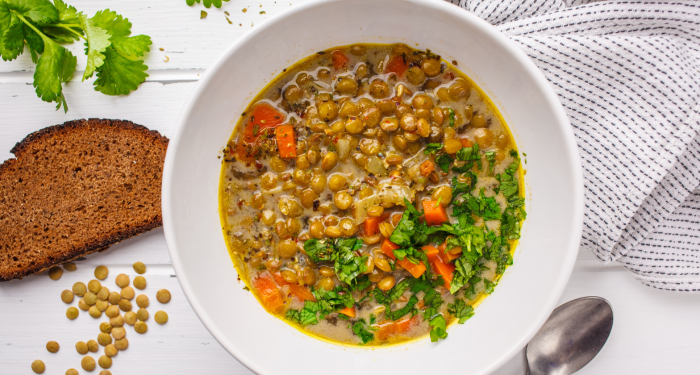
4) Plant-based cooking club
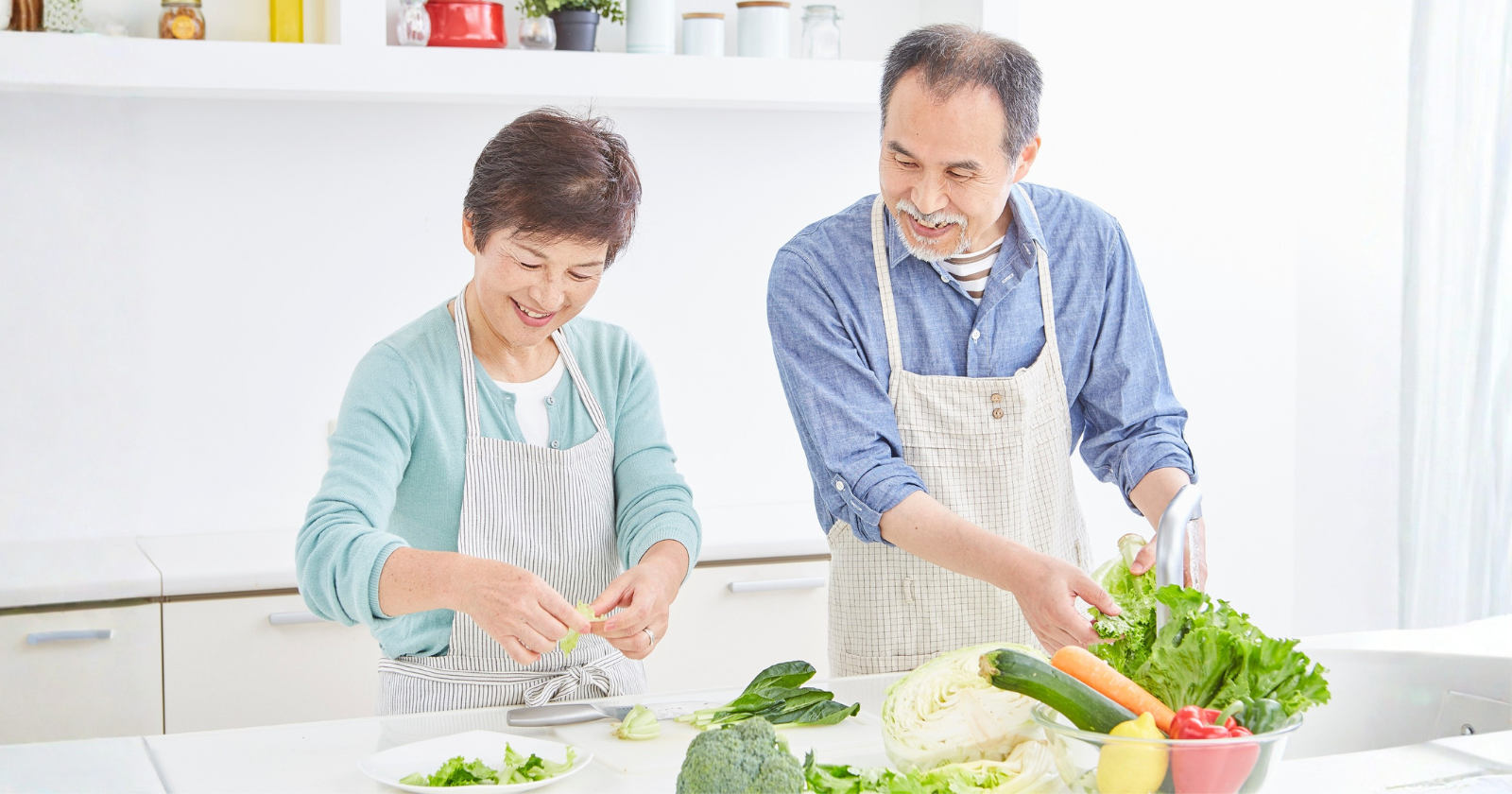
Pick one very simple plant-based recipe per week and make it shareable.
Think three-ingredient hummus, sheet-pan veggies with pre-cooked grains, and overnight oats with berries.
I’m vegan, so I lean toward recipes that taste good without a ton of steps.
A friend and I used to swap one container each week.
I’d deliver a tub of smoky chickpeas; she’d send back miso-roasted carrots.
Neither of us spent more than 25 minutes making our dish.
The reward here is momentum as you taste something new, learn one trick, and get variety without cooking from scratch every day.
Plus, the fiber and micronutrients are doing quiet good work in the background.
5) Micro volunteering from home
You don’t need to commit to a weekly shift to feel useful.
Micro volunteering is bite-size service you can do from your sofa.
Think transcribing a handwritten letter for a museum archive, reviewing a grant application summary for clarity, and recording a few minutes of your voice for a research project.
The psychology is simple as purpose changes the texture of time.
Even fifteen minutes of meaningful effort makes the rest of the day feel sharper.
Start hyper local if you want a fast win: Email a neighborhood group and offer one micro task per month, proofread a flyer, call three people about an event, or host a fifteen-minute check-in on Zoom.
Low commitment, yet real impact.
If you prefer animal or environmental causes, look for shelters, sanctuaries, or conservation groups that need remote help with writing or organizing.
6) One-song music lesson
Learning an instrument can sound huge, but it doesn’t have to be.
Pick one song you love, and learn only the minimum needed to play it passably.
Back when I ran a tiny music blog, I noticed something: People light up when they can play one recognizable thing.
The moment you play a chorus that someone else can sing, boredom evaporates.
Set a 30-day container for the project; five minutes a day and use free tutorial videos.
If you want some training wheels, get a clip-on tuner or a keyboard with light-up keys.
Focus on that one song until you can get through it without stopping.
When you hit that point, record yourself and send it to a friend or grandchild.
The applause you get will be real, and the skill sticks around.
Next month, pick a second song or switch instruments.
Either path is a small ladder out of monotony.
7) Balcony herb garden
Even if you’re not an outdoors person, a little green at arm’s length pays off.
Start with three herbs that match how you eat: Basil for pasta and sandwiches, mint for tea and fruit, and rosemary for potatoes and roasted veggies.
The work is minimal, yet the reward shows up in smell, taste, and small routine.
You’ll step outside, feel the light, snip a few leaves, and add them to lunch.
That small loop connects you to weather and season without turning you into a full-time gardener.
Curiosity plus a hint of data.
No balcony? No problem, try a countertop hydro unit!
The maintenance is even lower and the harvest is just as pleasing.
The bottom line
Boredom in your 60s is a nudge.
Start tiny by choosing one thing from this list and give it five minutes today.
Low effort, high reward; that’s the whole game!
If You Were a Healing Herb, Which Would You Be?
Each herb holds a unique kind of magic — soothing, awakening, grounding, or clarifying.
This 9-question quiz reveals the healing plant that mirrors your energy right now and what it says about your natural rhythm.
✨ Instant results. Deeply insightful.

Jordan Cooper
Jordan Cooper is a pop-culture writer and vegan-snack reviewer with roots in music blogging. Known for approachable, insightful prose, Jordan connects modern trends—from K-pop choreography to kombucha fermentation—with thoughtful food commentary. In his downtime, he enjoys photography, experimenting with fermentation recipes, and discovering new indie music playlists.
More Articles by Jordan