If you regularly do any of these seven activities on your own, you have already built muscles many people never train.

Add VegOut to your Google News feed. 
Crafting emotional strength is less about dramatic breakthroughs and more about the quiet choices you make when no one is watching.
If you recognize yourself in the activities below, there is a good chance you are sturdier inside than most people realize.
Let’s dive in:
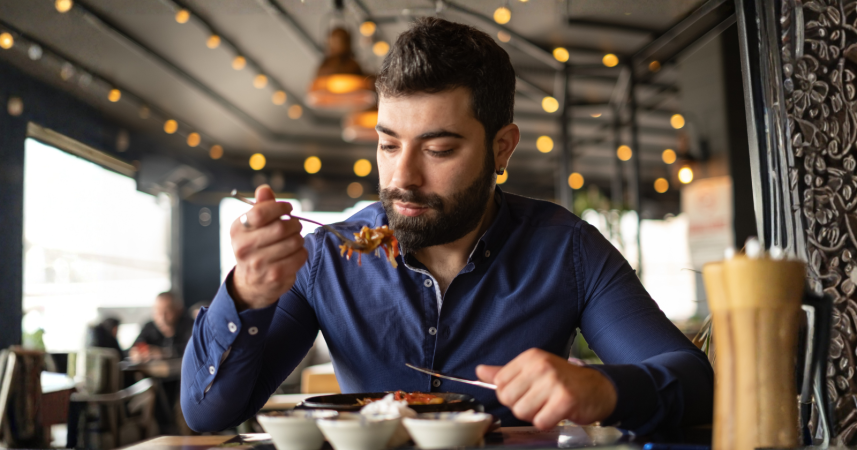
1) Eating out by yourself
Pulling up to a table for one sounds simple, yet it can feel like a social MRI.
Can you sit with your thoughts, enjoy your food, and resist the urge to hide behind your phone the entire time?
That is a real signal; psychologists would call this a blend of autonomy and reduced social threat sensitivity.
You are choosing an experience because you want it, not because a group wants it for you.
Your nervous system learns there is no danger in being seen alone, which lowers the background hum of social anxiety.
Try a little ritual: Order something you genuinely want, read a few pages of a book between bites, and take a breath before you leave.
Notice if your brain tries to narrate what other people might be thinking.
It is almost always wrong.
I do this after photo walks; I sit at a small spot in Echo Park, get a big salad and a coffee, and review a few shots.
Every time I do, I feel more anchored.
The food tastes better too when it is not competing with self consciousness.
2) Traveling solo
Solo travel is courage with a boarding pass.
It demands planning, flexibility, and self trust.
You navigate uncertainty, speak up when you need help, and make micro decisions all day.
That is executive function training, not just a vacation.
You are wiring your brain to handle novelty without falling into panic.
Here is a good test: Can you land, figure out transit, eat something nourishing, and get to sleep at a decent hour on day one?
If yes, you are practicing distress tolerance, which is a core ingredient of emotional resilience.
I learned this on a budget trip through Lisbon years ago.
My first night, my hotel booking failed, the hostel across the street had one bed, and I was running on four hours of sleep.
I ate a simple meal, took a short walk, and went to bed early.
In the morning, the city felt like a friendly puzzle, not a threat.
That shift only happens when you go through it by yourself.
Solo travel does not need to be far; a train to a nearby town, a day wandering a museum, a night in a cabin, all count.
3) Going to a show or movie alone
People think this is about having no one to go with.
It is actually about owning your tastes without running them through a focus group.
Sitting in a dark theater or standing in a crowd by yourself trains you to let experiences wash over you without checking for approval.
Your attention is on the art, not your perceived image.
When you attend alone, you meet the art with fewer layers.
You feel what you feel, in real time, and that honesty is a muscle.
This is where my music blogging roots still guide me.
I will grab a single ticket to a small indie gig, keep a couple notes in my phone, and absorb the set.
That habit has made me braver in conversations too, because I am not afraid to stand by what moved me.
4) Hiking, running, or lifting without a buddy

There is nothing wrong with groups, but moving your body alone teaches you to coach yourself.
Halfway up a hill your mind starts to negotiate.
You decide whether to slow, to keep pace, or to push.
That inner dialogue is the same one that shows up when a hard email lands or a plan changes last minute.
If you can self regulate with a pounding heart and burning legs, you can self regulate at your desk.
From a psychology standpoint, this is self efficacy in action.
You set a target, you meet it, your brain logs a receipt that says you can handle discomfort.
Those receipts add up, so make it practical:
- Choose a route or routine the night before.
- Pack a simple snack, maybe a banana and water.
- Leave your headphones at home once a week.
- Listen to your breath.
That quiet builds a sturdy kind of confidence.
5) Learning a skill on your own
Have you ever decided to learn photography, coding, or cooking by piecing together tutorials, books, and practice sessions?
That is independent learning, and it signals emotional grit.
Learning alone means you face confusion without outsourcing the frustration.
You debug your mistakes, adjust your strategy, and keep at it.
Researchers call this productive struggle; it is not glamorous, yet it transforms your relationship with difficulty.
Pick one skill and create a tiny loop: Watch a short lesson, do the exercise, reflect for five minutes, and repeat the next day.
Keep a visible log as the log becomes proof that your effort is the main driver, not your mood or the weather.
I am in this loop with street photography.
One hour, camera in hand, once or twice a week.
I shoot, edit, and rate three images.
The small structure matters more than inspiration.
I have mentioned this before but routines, not moods, carry creative work.
That truth is clearer when you practice in solitude.
6) Spending a day offline
Here is a question: When was the last time you spent an entire day with your phone off?
Most people feel a pinch of panic even considering it.
That is useful data; if you can go device free for a day, you are not just strong, you are free.
You prove to yourself that attention is a choice, not a commodity owned by the loudest app.
Emotionally, this is about stimulus control and interoception.
With fewer pings, your nervous system can settle, and you can actually feel hunger, fatigue, boredom, curiosity, and calm without a digital overlay.
Once you can sit with boredom for fifteen minutes, conversations get richer, walks get brighter, and food tastes like itself again.
Plan your offline day like a micro retreat; after a few offline days, you notice how quickly your baseline anxiety drops.
You simply removed constant demands on your attention.
7) Having honest conversations with yourself
Meditation, journaling, therapy homework, silent mornings, whatever form you choose, the work is the same.
You sit with your inner weather and describe it clearly.
This is the foundation; if you can name your feeling without rejecting it, you are already ahead.
Naming feelings increases emotional granularity, which is linked to better regulation and less impulsive behavior.
In simple terms, “I feel tight in my chest and worried about finances” is more useful than “I am stressed.”
Here is a straightforward script for a solo check in:
- What am I feeling, physically and emotionally?
- What triggered it?
- What need is underneath it?
- What is one kind action I can take in the next hour?
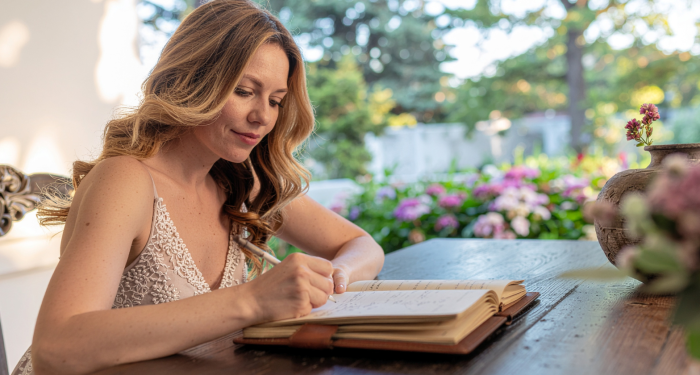
Five minutes, pen to paper, no performance.
If you repeat that most days, you build self trust.
You stop ghosting your own experience.
When I do this in the morning, the rest of the day gets easier.
I eat better, I am less reactive online, and I can be present with people I care about.
The conversation I have with myself sets the tone for every conversation that follows.
The bottom line
If you regularly do any of these seven activities on your own, you have already built muscles many people never train.
Keep going, and add one tiny upgrade this week.
Sit at the table, take the earlier train to give yourself time to wander, leave your phone in a drawer for the afternoon, and write one more sentence in your journal than you did yesterday.
Emotional strength is a quiet click inside that says, I can handle this, and I do not need an audience to prove it.