Pick your place. Put on the apron, the gloves, the hiking boots, or the dance shoes. And then do what empathetic people do best—notice, adjust, and make the moment kinder than you found it.
You can tell a lot about people by how they spend their free time.
Some hobbies are about collecting, competing, or escaping. Nothing wrong with that. But the hobbies that pull in naturally caring, tuned-in humans tend to have a different vibe. They require listening. Cooperation. Shared effort. Small acts of service that add up.
Back when I worked in luxury F&B, the best nights weren’t the ones with the highest check averages. They were the nights when the team moved like a single organism—servers floating to help each other’s sections, the garde manger catching a mistake before it hit the pass, the chef de partie quietly swapping stations so a new hire could breathe. Hospitality is empathy expressed as action. Some group hobbies have the same backbone.
Below are seven that consistently draw people who notice, care, and show up. If you’re looking to meet more of those folks—or become more like them—pick one and step in.
1) Community cooking nights
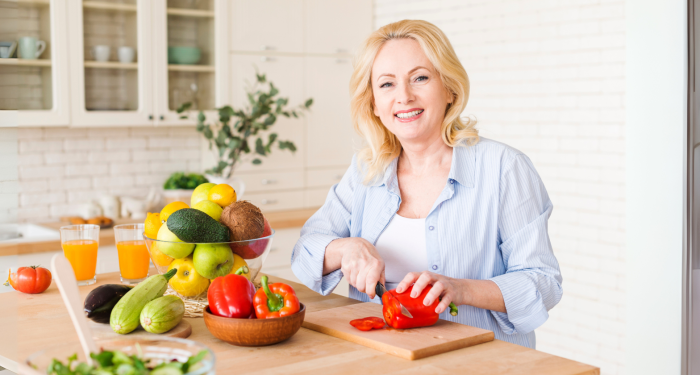
There’s something about chopping vegetables at a long table with strangers that shortcuts small talk.
Maybe it’s the rhythm of prep. Maybe it’s the way aromas loosen conversation. Or maybe it’s because food is the original social technology—we’ve been solving problems around a pot since forever.
Community cooking comes in many flavors: soup swaps, meal trains for new parents, monthly “cook and freeze” sessions for neighbors, church or temple potlucks, and cultural exchange dinners where everyone brings a family recipe. I’ve done versions of all of these, and the common thread is kindness.
You’re sharing space, tools, and timing. You have to read the room. “Do you need the colander?” turns into “How’s your week going?” You learn to portion with your eyes and your heart.
If you want to spot the empaths in the room, look for the person who wipes the stove nobody “owns,” refills the water pitcher without being asked, or remembers that Sam doesn’t do cilantro. That’s emotional radar in action.
Practical tip: volunteer to be a runner—fetching bowls, labeling containers, keeping surfaces clean. The quiet glue roles reveal (and attract) thoughtful people faster than center stage.
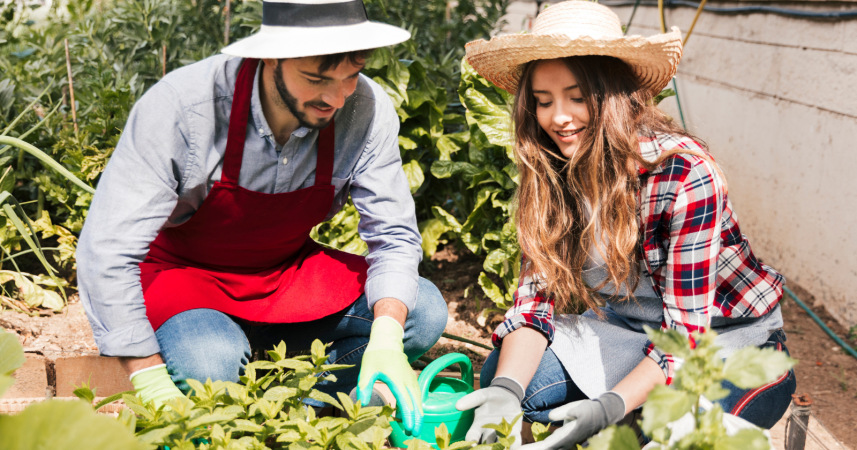
2) Community gardening
Gardens are patience training disguised as produce.
You can’t rush soil. You can’t bully a seed. You serve the conditions—sun, water, nutrients—and then you wait. That mindset tends to spill over into how gardeners treat each other.
In a community plot, you’ll see neighborly micro-acts everywhere: someone tucking a note under a trellis (“Your tomatoes needed a drink—hope you don’t mind”), another person leaving extra basil for whoever needs it, shared tools cleaned and returned sharper than before. It’s gentle reciprocity.
I like gardening because it balances agency and acceptance. You do your part—mulch, companion plant, watch for pests—and then you release the outcome. A lot like relationships.
If you’re plant-curious but new, seek out workdays rather than lectures. Learning by doing next to someone who cares is intimate in the best way. You’ll get soil under your nails and stories under your skin.
Bonus for food folks: swap recipes at harvest time. “What do you do with extra zucchini?” is basically a community-building spell.
3) Choirs and open singing
I used to think choirs were only for people who read sheet music in their sleep. Then a friend dragged me to a community sing where the rule was: if you can breathe, you can sing.
Group singing forces you to listen more than you project. You shape your volume to fit the chord. You learn to support from the diaphragm and from the sidelines—watching the director, noticing when the tenors need a lift, adjusting when the altos carry the melody.
There’s a line I love: “Harmony is disagreement done well.” The notes are different, but they make something together that none could make alone. That’s empathy in stereo.
Choirs also distribute courage. Ninety percent of first-timers show up with fear. The regulars notice. They nod, offer a chair, share a pencil, whisper “We all miss entrances—no biggie.” That culture is sticky; empathetic people keep it strong.
Pro move: join a choir that does outreach—nursing homes, shelters, community festivals. The music lands differently when there’s a purpose beyond the performance.
4) Book clubs (especially memoir and contemporary fiction)

If empathy is the ability to inhabit someone else’s world, reading is the rehearsal space.
A good book club is less about “Was the protagonist likable?” and more about “When have you felt that tug-of-war yourself?” Memoir and contemporary fiction, in particular, unlock personal parallels. You hear why a scene hit someone’s gut, and you start seeing your own blind spots.
A lesson from the floor of the dining room: stories are seasoning. A guest might ask for the origin of the olive oil, and the server who knows the producer’s backstory creates connection in thirty seconds. Book clubs build that muscle—you practice turning text into meaning that matters to someone else.
Look for groups that rotate facilitators, set simple norms (“assume good intent,” “one mic”), and mix snacks with pages. Food softens edges, and it’s amazing how a plate of roasted carrots with tahini can keep a heated theme debate from going off the rails.
If you’re hosting, add a bowl of “curiosity cards”—questions like “Which character needed a friend?” or “What went unsaid that you wish had been voiced?” These prompt compassionate listening instead of hot takes.
5) Improv for beginners
Improv gets branded as comedy, but its core rule is empathy in action: “Yes, and…”
You accept what your partner offers (yes), then you add something that helps (and). You’re not trying to be the star; you’re trying to make your partner look brilliant. That orientation attracts people who tune into others’ cues—posture, pace, micro-expressions—and respond generously.
My first improv class felt like walking into a new kitchen mid-service. Total chaos for ten minutes. Then a collective rhythm. Someone drops a line, you pick it up. You drop one, they cover you. By the end of the session, everyone is laughing with—not at—each other.
Improv also normalizes mistakes. You mess up publicly, and the group reframes it as fuel. That safety net is rare and magnetic. People who can create it are empathy architects.
If the idea intimidates you, find a studio that advertises “improv for professionals” or “improv for life.” Those cohorts skew toward skill-building—listening, collaboration—not performance. You’ll get the medicine without the stage fright.
6) Trail groups and cleanups
Hiking with a group teaches you to match pace.
Not just foot speed, but energy. You notice who’s winded. You offer water. You shift from single-file to spread-out conversation when the terrain opens. On cleanup days, you get to turn that awareness outward—gloves on, bags out, eyes scanning for what needs care.
Nature has a way of lowering defenses. People tell the truth at mile three in a way they don’t across a café table. That’s fertile ground for empathy. You hear someone’s story, and you automatically adjust—slowing down, changing topics, checking in. The group becomes a moving organism that protects the most vulnerable without making a fuss.
Pro tip from the restaurant world: carry “service extras.” In a dining room, that might be a spare wine key or a tide pen. On the trail, it’s a mini first-aid kit, a couple of granola bars, and an extra pair of wool socks. Lending those at the right moment builds the kind of trust that keeps people coming back.
If you live near the coast or a river, look for monthly shoreline cleanups. The mission is simple, the impact is visible, and the people who show up tend to be the “do the right thing even when nobody’s watching” types.
7) Partner dancing (salsa, swing, bachata, tango)
Finally, nothing trains mutual attention like partner dance.
You don’t have to be fancy. In fact, the best social dancers aren’t the flashiest—they’re the ones who make their partners feel safe, seen, and successful. That requires calibrated listening through touch. A good lead invites, never yanks. A good follow suggests, never collapses. Both co-create.
I learned this the hard way at a salsa social where a veteran dancer told me, kindly, “Less steering wheel, more conversation.” She was right. When I relaxed my frame and focused on connection, everything smoothed out. We laughed more. We improvised small, joyful moments you can’t plan.
Partner dance communities often rotate pairs every song. You interact with dozens of people in an evening, adjusting to different heights, styles, and comfort levels. That constant calibration sharpens interpersonal antennae.
If you’re new, pick beginner-friendly socials with a pre-dance lesson. Look for spaces that emphasize consent and inclusivity—clear floor etiquette, posted values, and a culture of checking in (“Is this hold okay?”). Those norms are empathy made visible.
The bottom line
If you want to spend more time with people who are naturally compassionate, go where kindness is a prerequisite for flow.
Group cooking forces you to share tools and timing. Gardens remind you to care for what’s fragile. Choirs teach you to harmonize with differences. Book clubs expand your perspective through other minds. Improv builds your “Yes, and…” reflex. Trails train you to modulate your pace for the group and steward the ground beneath you. Partner dance turns attention into joy.
Do you need to be a born empath to enjoy any of these? Not at all. These hobbies are empathy gyms. You build the muscle by showing up, practicing micro-considerations, and letting yourself be shaped by the people beside you.
If you’re stuck on which to try first, choose the one that feels least like a performance and most like service. Bring snacks to the book club. Offer to wash dishes at the community dinner. Carry the extra socks on the hike.
In kitchens and in life, the best teams aren’t built on big speeches. They’re built on a thousand small, unglamorous gestures that say, “I’ve got you.”
Pick your place. Put on the apron, the gloves, the hiking boots, or the dance shoes.
And then do what empathetic people do best—notice, adjust, and make the moment kinder than you found it.
If You Were a Healing Herb, Which Would You Be?
Each herb holds a unique kind of magic — soothing, awakening, grounding, or clarifying.
This 9-question quiz reveals the healing plant that mirrors your energy right now and what it says about your natural rhythm.
✨ Instant results. Deeply insightful.