Your 70s don't have to be about slowing down, they can be about doing exactly what you want, finally, without apology.
My grandmother spent her 70s in a rocking chair watching game shows.
Every visit, same chair, same shows, same complaints about being bored. She'd say there wasn't much left to do at her age.
Then there was a regular at one of the resorts where I worked. Margaret was 73 when I first met her, and she had more energy than people half her age. She'd spend mornings painting by the pool, afternoons learning Spanish from our staff, evenings dancing with whoever would join her.
The difference between these two women wasn't health or money. It was mindset and, more specifically, what they chose to do with their time.
After years observing guests of all ages in luxury hospitality, I noticed something. The people thriving in their 70s weren't the ones taking it easy. They were the ones actively engaged in things that challenged them, connected them to others, or simply brought them joy.
Your 70s can be some of the best years of your life. No career pressure, no little kids to raise, no proving anything to anyone. Just time to actually do what matters to you.
But you need something to fill that time. Something meaningful. Here are five hobbies that consistently made the biggest difference for people I've known in their 70s.
1) Cooking new cuisines
I'm biased here, obviously. But hear me out.
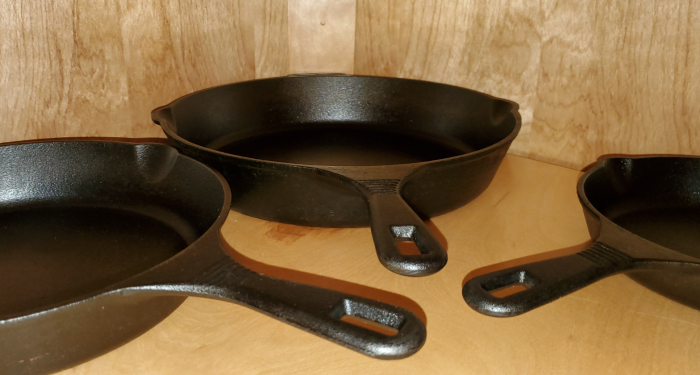
Cooking as a hobby in your 70s isn't about making dinner. It's about exploration, creativity, and connection, all from your kitchen.
Think about it. You've probably been making the same 20 recipes for decades. Family favorites, reliable dishes, the stuff everyone expects. Now's your chance to break free from that rotation and try literally anything you want.
Want to learn Thai cooking? Japanese? Regional Italian? There are YouTube tutorials, online classes, cookbooks that walk you through everything step by step. You don't need to travel to Thailand to make a decent pad see ew, though traveling would be great too.
I watched Margaret, that 73 year old resort regular, take cooking classes during her stays. She'd learn techniques from our chefs, take notes, then go home and experiment. She told me once that cooking kept her brain sharp and gave her something to share with friends and family.
The beauty of cooking as a hobby is it engages multiple senses and skills. You're reading recipes, planning meals, shopping for ingredients, using your hands, tasting, adjusting. It's mentally stimulating and produces something tangible you can enjoy or share.
Plus, cooking connects you to culture and history in a way few other hobbies do. Every dish tells a story about where it came from and the people who created it.
2) Learning a language
This one surprises people, but it shouldn't.
Your 70s are actually a great time to learn a new language. You're not in a rush, you don't need to be fluent for work, and the process itself is the reward.
I learned basic Thai during my three years in Bangkok, mostly from talking to locals and stumbling through conversations. It was humbling and frustrating and absolutely worth it. The language opened doors to understanding the culture in ways tourism never could.
You don't need to move to another country to benefit from language learning. Apps make it accessible from your living room. Duolingo, Babbel, even YouTube channels dedicated to teaching languages.
But the real magic isn't just in the vocabulary or grammar. It's what learning does for your brain. You're creating new neural pathways, exercising memory, staying mentally flexible. All things that matter more as we age.
Plus, if you have travel plans, speaking even a little of the local language transforms the experience. Locals appreciate the effort, and you get access to conversations and places tourists miss.
Even if you never travel, learning a language gives you a window into how other people think and see the world. That perspective alone is valuable.
3) Walking, properly
I'm not talking about a casual stroll around the block, though that's fine too.
I mean walking with intention. Exploring new routes, noticing your surroundings, maybe bringing a camera or notebook to document what you see.
In Austin, I walk or bike most places. Not because I'm trying to be virtuous about exercise, but because I notice things. The way light hits buildings in the morning. Seasonal changes in the trees. People and their routines. Walking slowly enough to see the world clearly is underrated.
For people in their 70s, walking is often the most sustainable form of exercise. It's low impact, requires no equipment beyond decent shoes, and you can adjust intensity based on how you feel that day.
But the real benefit is mental. Walking gives your mind space to wander, process, create. Some of my best thinking happens while walking without a destination.
The key is making it interesting. Walk different routes. Bring a friend sometimes, go solo other times. Listen to podcasts or music, or embrace the silence. Take photos of things that catch your eye. Turn your neighborhood into a place worth exploring instead of just background scenery.
Walking properly, with attention and intention, can become a daily practice that keeps you connected to your environment and yourself.
4) Gardening, but make it yours
Yes, gardening is on every list of hobbies for older adults. There's a reason for that.
But I'm not talking about generic advice to grow tomatoes. I mean finding your particular angle on gardening that makes it genuinely engaging for you.
Maybe it's growing herbs for the cooking you're doing from hobby number one. Maybe it's creating a native plant garden that attracts local birds and butterflies. Maybe it's growing flowers specifically for arranging and displaying in your home.
I've seen people turn gardening into a creative pursuit, designing spaces with the same care painters use for composition. Others treat it as meditation, losing themselves in the repetitive tasks of weeding and watering.
The beauty of gardening in your 70s is you're not worried about resale value or what neighbors think. You can make it weird, experimental, personal. Want a garden bed dedicated entirely to plants mentioned in Shakespeare? Go for it. Interested in growing ingredients for natural dyes? Why not?
Gardening also provides structure to your days and seasons. There's always something to do, some way the garden needs attention. That rhythm can be grounding when other structures in life have fallen away.
And there's something deeply satisfying about nurturing living things and watching them grow. It reminds you that you're still creating, still participating in life cycles larger than yourself.
5) Playing music, finally
How many people get to 70 and realize they always wanted to learn an instrument but never had time?
Your 70s are when you finally have that time.
Learning music as an older adult is different from learning as a kid. You're not trying to become professional. You're doing it purely for the joy of making sound, understanding how music works, giving your brain something complex to figure out.
I've met plenty of people who picked up piano, guitar, or ukulele in their later years. None of them regretted it. They talked about how satisfying it felt to play even simple songs, how practice gave structure to their days, how much they enjoyed the challenge.
The process of learning an instrument exercises your brain in unique ways. You're reading notation or chord charts, coordinating both hands independently, training your ear, memorizing patterns. It's a full brain workout disguised as creative expression.
Start simple. You don't need an expensive instrument or formal lessons, though both can be great. YouTube has endless free tutorials. Libraries often lend instruments. Community centers offer group classes specifically for older adults.
The goal isn't perfection or performance. It's engagement. It's having something to work on that has nothing to do with being productive or useful to others. It's entirely for you.
And if you eventually get good enough to play with others, whether at an open mic or just with friends, you've added a social dimension that makes it even richer.
What to do with this
Pick one. Just one to start.
Trying to overhaul your entire life at once rarely works. But adding one new hobby, giving it real attention and time, can shift everything.
Maybe you start with cooking and spend three months exploring a new cuisine. Or you download Duolingo and commit to 15 minutes of Spanish every morning. Or you buy a decent pair of walking shoes and start documenting your neighborhood with photos.
The specifics matter less than the commitment to doing something new, something engaging, something that challenges you in ways that feel good rather than stressful.
Your 70s are a gift. Not because everything is easy or perfect, but because for maybe the first time in your adult life, your time is genuinely your own. No one is making demands, setting expectations, telling you what should matter.
What’s Your Plant-Powered Archetype?
Ever wonder what your everyday habits say about your deeper purpose—and how they ripple out to impact the planet?
This 90-second quiz reveals the plant-powered role you’re here to play, and the tiny shift that makes it even more powerful.
12 fun questions. Instant results. Surprisingly accurate.