Aging well isn’t just about good genetics or expensive creams. It’s about consistent habits—the things you choose to do week after week that quietly shape your body, mind, and spirit.

Add VegOut to your Google News feed. 
Getting older is inevitable.
But how you experience aging?
That’s largely in your hands.
Every week is an opportunity to invest in your future self.
And while there’s no magic pill for staying youthful, there are proven practices that dramatically affect how you look, feel, and function as the years go by.
The secret isn’t doing them perfectly.
It’s doing them consistently.
Here are five powerful activities that, if practiced regularly, will help you age better than 95% of the people around you.
1. Engage in three sessions of moderate exercise
Movement is the closest thing we have to a fountain of youth.
But you don’t need to run marathons or spend hours at the gym.
Just three sessions of moderate exercise each week can transform how you age.
This could mean brisk walking, cycling, swimming, dancing, or strength training with light weights.
The key is to get your heart rate up while keeping the activity sustainable and enjoyable.
Regular movement preserves muscle mass, strengthens bones, and protects your joints as you get older.
It also sharpens your mind—research shows that physical activity boosts blood flow to the brain, reducing your risk of cognitive decline.
Think of these three sessions as non-negotiable appointments with your future self.
Each one builds resilience, helping you stay independent and active for decades to come.
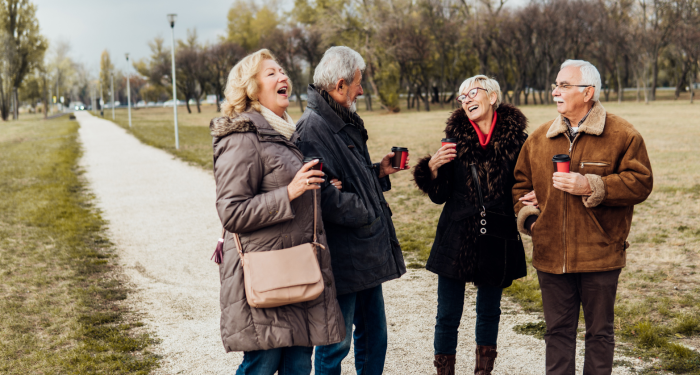
2. Schedule one social activity that brings genuine connection
As people age, one of the biggest predictors of long-term well-being isn’t diet or exercise.
It’s relationships.
Humans are wired for connection, and loneliness has been shown to be as harmful to health as smoking or obesity.
That’s why making time for at least one meaningful social activity each week is critical.
This could be dinner with friends, a game night, a walking group, or even volunteering.
The format doesn’t matter as much as the quality of the interaction.
When you spend time with people who make you laugh, listen to you, and truly see you, your stress levels drop and your mood improves.
It’s a simple but powerful way to protect your mental health and emotional resilience as you age.
Plus, social connections provide accountability.
When you commit to showing up for others, you’re also showing up for yourself.
3. Dedicate two hours to a mentally challenging activity
Your brain needs exercise just as much as your body.
As you age, cognitive decline isn’t inevitable—but keeping your mind sharp requires regular effort.
Each week, set aside at least two hours for a mentally stimulating activity.
This could be broken up into shorter sessions, like 30 minutes four times a week.
The activity itself should challenge you, pushing you to think, problem-solve, or learn something new.
Examples include reading complex material, doing puzzles, learning a language, playing a musical instrument, or taking a class.
The goal is to keep building new neural connections.
Psychologists call this cognitive reserve—essentially a buffer that helps your brain stay strong even as you get older.
Over time, these two hours per week act like armor against memory loss and mental sluggishness.
And the bonus? You’ll likely discover new passions along the way.
4. Spend time outdoors for physical and emotional balance
Modern life keeps many of us indoors far too much.
Screens, artificial light, and constant stimulation take a toll on both body and mind.
Spending time outside each week is a simple yet transformative habit.
Sunlight helps regulate your sleep cycle and boosts vitamin D levels, which support bone health and immunity.
Fresh air and natural scenery reduce stress and lower blood pressure, while gentle outdoor movement—like walking or gardening—keeps your body limber.
Aim for at least a couple of hours spread throughout the week.
This could be a morning walk, an afternoon hike, or simply sitting on your porch and soaking in the fresh air.
Nature has a grounding effect that’s hard to replicate indoors.
Even brief, regular exposure helps you feel calmer, clearer, and more connected to the world around you.
5. Practice intentional rest and reflection
Many people think “rest” just means collapsing on the couch with a show or scrolling through their phone.
But true rest is intentional.
It’s about deliberately slowing down and giving your nervous system a chance to reset.
Each week, carve out time for reflective rest—activities that are both restorative and meaningful.
This might include meditation, journaling, stretching, or simply sitting quietly with your thoughts.
Some people find this in spiritual practices, while others find it in creative hobbies like painting or playing music.
The goal is to create space for self-awareness and inner calm.
Research shows that reflective practices reduce stress hormones, improve emotional regulation, and even support better immune function.
As you age, this kind of inner balance becomes just as important as physical fitness.
It’s what keeps you steady when life throws curveballs your way.
The bigger picture
Most people underestimate the power of small, consistent actions.
They think aging well requires extreme measures or expensive solutions.
In reality, it’s the little things—done week after week—that add up to a dramatic difference over time.
Three workouts.
One meaningful social interaction.
Two hours of mental challenge.
Regular time outdoors.
A session of intentional rest and reflection.
These habits form a framework for a longer, healthier, more fulfilling life.
And while they may seem simple, very few people commit to them consistently.
Closing thought
Aging well isn’t about avoiding wrinkles or pretending to be twenty-five forever.
It’s about staying vibrant, engaged, and capable in every stage of life.
By committing to these five weekly activities, you’re not just adding years to your life—you’re adding quality to those years.
So start today.
Protect your future self by showing up for these habits now.
Because decades from now, you’ll look back and realize that aging well wasn’t about luck.
It was about the choices you made, one week at a time.
If You Were a Healing Herb, Which Would You Be?
Each herb holds a unique kind of magic — soothing, awakening, grounding, or clarifying.
This 9-question quiz reveals the healing plant that mirrors your energy right now and what it says about your natural rhythm.
✨ Instant results. Deeply insightful.

Jordan Cooper
Jordan Cooper is a pop-culture writer and vegan-snack reviewer with roots in music blogging. Known for approachable, insightful prose, Jordan connects modern trends—from K-pop choreography to kombucha fermentation—with thoughtful food commentary. In his downtime, he enjoys photography, experimenting with fermentation recipes, and discovering new indie music playlists.
More Articles by Jordan