Boomers might not talk about their feelings in therapy sessions, but they're absolutely processing them through meaningful hobbies that provide the same therapeutic benefits.
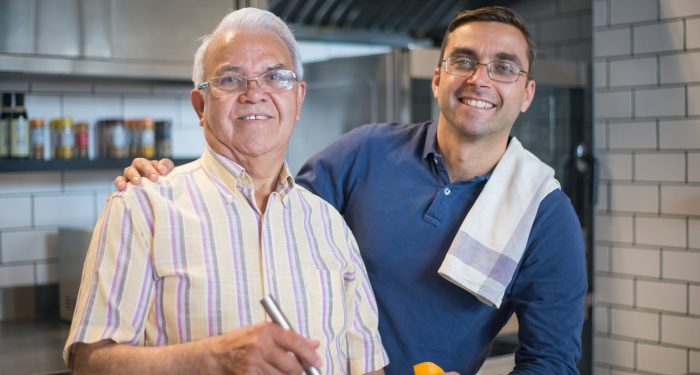
My dad doesn't believe in therapy.
He's from a generation that just "got on with it." You didn't talk about your feelings. You didn't pay someone to listen to your problems.
But I've realized over the years that he does have therapy. He just doesn't call it that.
He has hobbies. Activities he returns to regularly that clearly serve a deeper purpose than simple entertainment.
And watching him, along with other Boomers in my life, I've noticed a pattern. The hobbies they're drawn to are often doing the same work that therapy does for younger generations.
They're processing emotions. Managing stress. Finding meaning. Creating structure.
They're just doing it through activities rather than conversations.
Here are the hobbies Boomers have that are actually old-school therapy in disguise.
1. Gardening
My dad spends hours in his garden. Every day, weather permitting, he's out there.
Weeding. Pruning. Planting. Planning what goes where next season.
For years, I thought it was just a hobby. A way to pass time in retirement.
But I've come to realize it's so much more than that.
Gardening gives him control in a world that often feels chaotic. He can't control the economy or politics or his health problems, but he can control whether those tomatoes thrive.
It provides structure to his days. Purpose. A reason to get up and be outside.
And it's meditative. Repetitive tasks that quiet the mind. Time spent in nature that reduces stress and anxiety.
Research backs this up. Gardening has been shown to reduce cortisol levels and improve mood as effectively as some therapeutic interventions.
But my dad would never frame it that way. He's just tending his garden like he has for 40 years.
2. Woodworking and other crafts
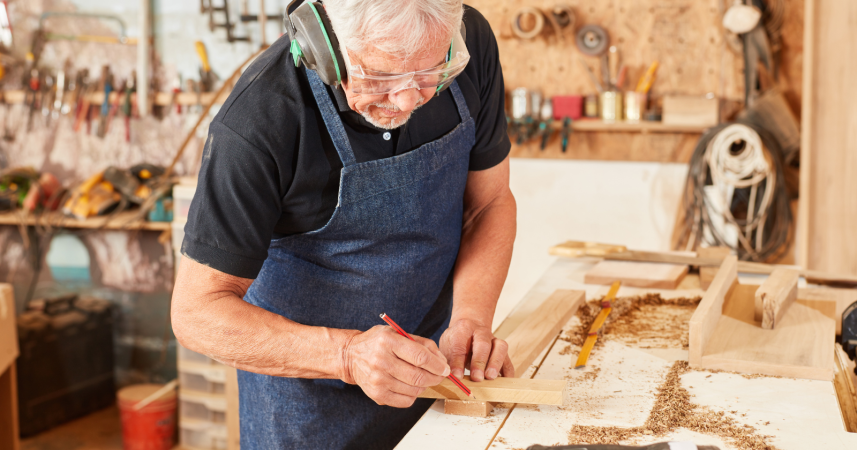
My uncle has a workshop in his garage filled with tools and half-finished projects.
He builds things. Furniture. Decorative items. Repairs for the house.
It's not about needing the items he makes. He could afford to buy furniture.
It's about the process. The satisfaction of creating something tangible with his own hands.
There's something deeply therapeutic about working with your hands. It engages your mind in a specific, focused way that leaves no room for anxious thoughts or rumination.
You're problem-solving in real-time. Adjusting techniques. Seeing immediate results from your efforts.
And at the end, you have something concrete to show for your time. Proof that you made something. That you're capable and skilled.
In a world that's increasingly abstract and digital, this tangible creation fills a real psychological need.
3. Walking groups and hiking clubs
My neighbor is part of a walking group that meets three times a week.
They walk the same routes. Have the same routine. And talk about everything and nothing while they walk.
She joined after her husband died. Initially just for exercise, she claimed.
But I think it became her therapy. Her way of processing grief and loneliness without sitting in a therapist's office.
Walking is therapeutic on its own. The rhythm. The fresh air. The gentle physical activity that reduces stress.
But the social aspect amplifies it. She's surrounded by people regularly. She has conversations. She feels connected.
And there's something about walking side by side, not making intense eye contact, that makes certain conversations easier.
Boomers might not do therapy sessions, but they'll talk about real things while walking through the park. Same benefit, different setting.
4. Volunteering
My aunt volunteers at a local charity shop three days a week.
She doesn't need the work. She's retired comfortably. But she shows up religiously, organizing donations and helping customers.
Volunteering serves multiple therapeutic purposes.
It provides structure and routine. She has somewhere to be, something to do, people who rely on her showing up.
It gives her a sense of purpose. She's contributing. Making a difference, even if it's small.
And crucially, it connects her to others. She's part of a community. She has relationships and social interaction built into her week.
All of these things are what therapists work toward with their clients. Purpose. Connection. Routine. Contribution.
My aunt is getting all of that through volunteering, without ever sitting on a therapy couch.
5. Bird watching
My grandfather became obsessed with bird watching after he retired.
He has binoculars. Field guides. Journals where he records every species he spots.
At first, it seemed like an odd hobby. But I've come to understand its therapeutic value.
Bird watching requires you to be present. You can't be lost in anxious thoughts about the past or future when you're trying to spot and identify a bird.
It gets you outside regularly. Into nature. Moving slowly and observing carefully.
And it provides endless learning and goal-setting. There's always another species to spot, another behavior to understand, another location to visit.
It's mindfulness practice disguised as a hobby. The same present-moment awareness that meditation teachers charge good money to teach.
6. Cooking elaborate meals
My mother-in-law cooks. Not simple weeknight dinners. Elaborate, multi-course meals that take hours.
She'll spend an entire Sunday preparing a roast dinner with all the trimmings. Or she'll make complicated dishes from scratch when she could easily buy them ready-made.
Cooking like this is therapeutic in several ways.
It's creative expression. She's making decisions about flavors and presentation and timing.
It's meditative. The repetitive actions of chopping, stirring, preparing.
And it's nurturing. She's taking care of people she loves through food.
There's also the satisfaction of completing something. Of seeing immediate results from your efforts when you've spent hours in the kitchen.
My mother-in-law would laugh if you suggested she was doing therapy through cooking. But that's exactly what's happening.
7. Restoring old cars or machinery
My friend's dad has spent years restoring a classic car.
He works on it in his garage most weekends. Taking it apart. Cleaning every piece. Putting it back together better than before.
This hobby provides several therapeutic benefits.
It's problem-solving. Each issue requires thought, research, troubleshooting. It keeps his mind sharp and engaged.
It's tangible progress. He can see the car improving over time. Visual proof of his efforts and skills.
And it's a connection to the past. Working with his hands on something mechanical, the way things used to be made. It's comforting in a world that feels increasingly foreign and digital.
He's processing his feelings about aging and irrelevance through this car. Making something old valuable again. Proving that experience and skill still matter.
That's deep psychological work, even if he'd never describe it that way.
8. Maintaining extensive photo albums and scrapbooks
My grandmother spends hours organizing photos.
She has albums for everything. Family events. Holidays. Random everyday moments.
She's constantly sorting, labeling, creating narratives through carefully arranged images.
This is life review therapy, which is an actual psychological practice for older adults.
Looking back on your life. Finding meaning in experiences. Creating coherent stories about who you've been and what mattered.
It helps process memories. Make peace with the past. Find continuity between who you were and who you are now.
Therapists guide people through this process in sessions. My grandmother does it herself with photo albums and a glue stick.
Same therapeutic work. Just a different method.
9. Playing in bands or singing groups
My uncle plays in a brass band that rehearses weekly and performs occasionally.
He's been doing it since before I was born. Same band. Same routine.
Music-making is therapeutic on multiple levels.
It's social connection. He sees the same people regularly. They work toward shared goals. There's camaraderie and friendship.
It's cognitive stimulation. Reading music. Coordinating with others. Memorizing pieces.
And it's emotional expression. Music allows you to process and communicate feelings that might be hard to put into words.
For Boomers who weren't raised to talk about emotions, playing music provides an outlet. A way to express joy, sadness, nostalgia, hope.
It's group therapy disguised as a hobby. And it works.
Final thoughts
I'm not suggesting therapy isn't valuable or that hobbies are an adequate replacement for professional mental health care when it's needed.
But I've gained enormous respect for how Boomers have created their own therapeutic practices through hobbies.
They might not talk about their feelings in therapy sessions, but they're absolutely processing them. Just through different means.
They're managing stress through gardening. Processing grief through walking groups. Finding purpose through volunteering. Expressing emotions through music.
And honestly, there's something to be learned from this approach.
Maybe we've become too dependent on formal therapy for things we could address through meaningful activities and community connections.
Maybe the Boomers were onto something with their insistence on just getting on with things, as long as "getting on with things" meant engaging in regular, meaningful, therapeutic activities.
My dad still doesn't believe in therapy. But watching him in his garden, I realize he doesn't need to.
He's found his own way to process life, manage stress, and find meaning. It just looks different from sitting in a therapist's office.
And it works just as well.