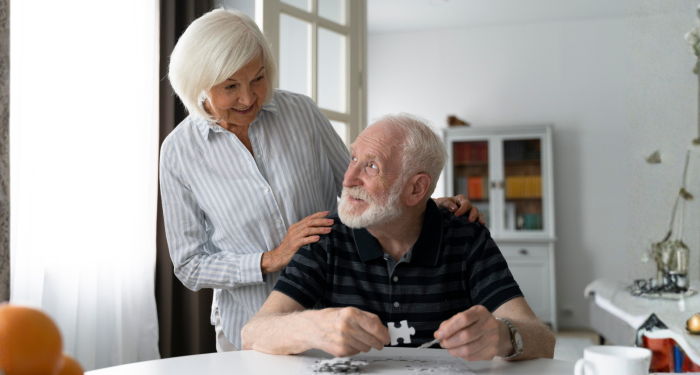
After decades of prioritizing work and family obligations, boomers are reclaiming their evenings for creative pursuits, deep learning, and reconnecting with what matters—not to stay busy, but to finally live on their own terms.
My grandmother spent forty years waking up at 5:30am for work. She raised four kids, volunteered every Saturday at the food bank, and never seemed to stop moving.
Then she retired.
I expected her to finally relax, maybe travel, definitely sleep in. Instead, she developed what she calls her "evening routine," which involves activities she never had time for during her working years.
She's not alone. I've noticed a pattern among boomers who've retired or scaled back work: they're not just resting after decades of hard work. They're actively reclaiming evenings for things they postponed for years.
Not the activities you'd expect, either. Not just watching TV or going out to dinner. Intentional pursuits that reflect what matters to them now that time is finally available.
Here's what I've observed.
1) Learning instruments they abandoned decades ago
I know three people over sixty who've picked up instruments they haven't touched since high school or college.
My neighbor bought a guitar and practices every evening on his porch. A friend's mother is taking piano lessons after not playing for forty years. Another person I know joined a community orchestra and plays clarinet twice a week.
These aren't people trying to become professional musicians. They're reconnecting with something they loved before careers and families consumed all their time and energy.
There's research suggesting that learning music later in life has cognitive benefits, but I don't think that's why they're doing it. They're doing it because they finally can.
For decades, evenings were for helping with homework, managing households, preparing for the next work day. The idea of spending an hour on something purely for personal enjoyment was impossible.
Now it's not.
2) Taking community classes in random subjects
Pottery. Photography. Local history. Astronomy. Cooking techniques they never learned.
Boomers are filling community college evening courses and adult education programs, not for career development or certificates, but because they're genuinely curious about things they never had time to explore.
My friend's father takes a different class every semester. Last year it was woodworking. This year it's birdwatching. He doesn't need to build furniture or identify birds. He just wants to learn.
This reflects something important about how people who spent decades in work mode are recalibrating. They're giving themselves permission to be interested in things that serve no practical purpose beyond interest itself.
That's a significant shift for a generation that was largely taught to prioritize productivity and usefulness over curiosity and exploration.
3) Walking without destination or purpose
Not power walking for exercise. Not hiking for fitness goals. Just walking around their neighborhoods, noticing things, talking to neighbors, taking time.
I've watched this transformation in my own parents. They used to walk quickly, trying to get their steps in before dinner. Now they wander. They stop to look at gardens. They chat with people they encounter. They take routes based on what looks interesting rather than what's efficient.
This seems small, but it represents a major psychological shift from optimizing every activity to simply experiencing things.
For people who spent decades rushing from one obligation to the next, the ability to walk slowly without feeling like they're wasting time is actually a form of freedom.
4) Cooking elaborate meals just for themselves
When you're raising kids and working full time, dinner is often whatever you can get on the table efficiently. Cooking becomes a task to complete rather than an activity to enjoy.
Now that time pressure is gone, I'm seeing boomers spend entire evenings cooking complex dishes, trying new cuisines, perfecting recipes they've wanted to master.
My grandmother makes elaborate Thai curries now. She'll spend two hours preparing ingredients, cooking slowly, adjusting flavors. Not because she has to, but because she wants to.
A friend's parents have turned their kitchen into a testing ground for recipes they saw on cooking shows or read about in magazines. They'll make the same dish multiple times until they get it right.
This isn't about feeding people anymore. It's about the process itself, the pleasure of working with food without the pressure of time or obligation.
5) Reading actual books instead of skimming articles
I work from coffee shops around Venice Beach regularly, and I've noticed more older people reading physical books in the evenings. Not on devices. Not magazines. Actual novels and nonfiction that require sustained attention.
When I've talked to them, many say the same thing: they spent decades reading only what was required for work or skimming news and articles. They never had time to read books that took weeks to finish.
Now they do.
There's something about this that feels like reclaiming cognitive space. For years, their reading was fragmented, driven by professional necessity or staying informed. Book reading is different. It requires slowing down and staying with something long enough to go deep.
People who've spent careers in constant information consumption mode seem to find this shift particularly valuable.
6) Reconnecting with old friends through regular calls
This one surprised me until I thought about it more carefully.
During working years, friendships often take a back seat to immediate demands. You keep up with people casually, maybe see them occasionally, but sustained connection requires time that simply isn't available.
Now boomers are setting up regular evening phone calls with friends they've known for decades. Weekly check-ins. Scheduled conversations. Sometimes just listening while the other person talks about their day or shares what they're reading.
My grandmother has three friends she calls every week, different nights for each one. They talk for an hour or more, catching up on everything from grandchildren to political opinions to what they're cooking.
These aren't emergency calls or quick updates. They're intentional maintenance of relationships that matter but got deprioritized for years.
It's a quiet acknowledgment that time is finite and the people you care about deserve more than whatever energy is left over after everything else is handled.
7) Working on creative projects with no deadline or purpose
Writing memoirs no one will publish. Painting landscapes no one will see. Building things in workshops for the satisfaction of building.
I've watched several older people I know develop evening creative practices that exist purely for their own fulfillment.
A friend's father writes for two hours every evening, working on stories about his childhood. He has no intention of showing them to anyone. He's just documenting things he wants to remember and explore.
My neighbor spends evenings in his garage building model ships. Intricate, time-consuming projects that serve no function beyond the pleasure of creating something with his hands.
This is the opposite of how most boomers spent their careers, where every project had to justify itself through productivity or results.
Now they're giving themselves permission to create things that matter only because the creating matters. The product is secondary to the process.
Final thoughts
What strikes me about all of these activities is that they're not about filling time or staying busy.
They're about reclaiming aspects of life that got deferred during decades of obligation and responsibility.
For a generation that largely defined themselves through work and duty, the shift to spending evenings on activities that serve no purpose beyond personal fulfillment is significant.
It's not retirement as rest. It's retirement as finally having time for the things that got pushed aside.
My grandmother doesn't sleep in like I expected. She still wakes up early most days. But her evenings now belong to her in a way they never did before. She reads. She cooks elaborate meals. She calls old friends. She's learning things she always wanted to learn.
She seems happier than I've ever seen her, not because she's doing less, but because what she's doing finally aligns with what actually matters to her.
That's the pattern I see across this generation as they reclaim their evenings: not doing nothing, but finally doing what they want instead of what they have to.