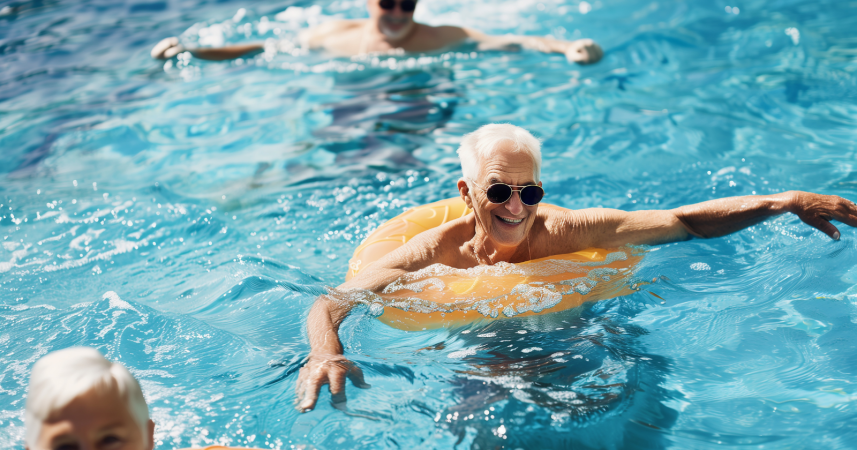
Staying socially connected after 70 isn't about fighting aging, it's about designing a life worth living at any age.
My grandmother's Sunday roasts were the center of our family life growing up. She'd spend the whole morning in the kitchen, and by afternoon, the house would fill with relatives, conversation, and the smell of whatever she'd been perfecting for hours.
Those gatherings weren't just about food. They were about connection, purpose, and staying engaged with the people who mattered.
She kept that routine well into her eighties, and I'm convinced it's part of what kept her sharp and present. She wasn't just cooking. She was maintaining relationships, exercising her mind through planning and execution, and giving herself a reason to get up every Sunday morning.
But here's what nobody talks about. Staying connected after 70 requires intention. The structures that automatically created social interaction during your working years disappear. You have to build new ones.
These seven activities keep people over 70 socially engaged and mentally sharp. They're not complicated, and they don't require special skills. They just require showing up.
1) Regular book clubs
Reading is solitary. Discussing what you've read is social. That's the difference that matters.
Book clubs give people over 70 a reason to stay intellectually engaged while connecting with others who share similar interests. You're not just reading for pleasure. You're reading with the anticipation of discussing ideas, debating interpretations, and hearing perspectives different from your own.
The mental stimulation is significant. Preparing for discussions requires recall, analysis, and articulation. You're processing information, forming opinions, and defending them in conversation.
But the social component might be more important. Book clubs create regular, scheduled interaction with the same group of people. That consistency builds relationships deeper than casual acquaintances.
I've seen this in Austin's literary community. The people who show up month after month to discuss books aren't there just for the literature. They're there for each other. The books are the excuse. The connection is the point.
2) Community gardening
Gardening is physical, purposeful, and inherently social when done in community settings.
Community gardens give people over 70 a place to show up regularly, work alongside others, and see the tangible results of their effort. You're planting, weeding, nurturing plants, and eventually harvesting what you've grown.
The physical benefits are obvious. You're moving, bending, using your hands, getting fresh air. But the cognitive engagement is equally important. Gardening requires planning, problem-solving, and patience. You're learning about plants, tracking growth cycles, adjusting to weather and conditions.
The social aspect happens naturally. You're working alongside other gardeners, sharing knowledge, trading tips, admiring each other's progress. Conversations develop organically while your hands are busy.
There's also something about growing food or flowers that gives people a sense of accomplishment and contribution. You're not just occupying time. You're creating something useful or beautiful.
Community gardens foster social bonds as seniors work alongside fellow enthusiasts, providing opportunities for both physical activity and meaningful connection.
3) Weekly game nights
Games aren't just entertainment. They're cognitive workouts disguised as fun.
Whether it's cards, board games, or puzzles, regular game nights keep minds sharp while creating social rituals. You're strategizing, remembering rules, planning moves, adapting to changing circumstances.
The competitive element, even when friendly, keeps people engaged and alert. You can't zone out during a game. You have to pay attention, think ahead, respond to what others are doing.
But the real value is the social structure. Game nights create predictable gatherings where people show up, interact, laugh, and build friendships through shared experiences.
During my hospitality years, I organized countless events for guests. The ones that worked best weren't the flashiest. They were the ones that gave people reasons to interact naturally. Games do that better than almost anything.
Research indicates that board games and similar activities improve memory, problem-solving skills, and executive function while building cognitive reserve that can delay the onset of dementia.
4) Volunteering and community involvement
Purpose matters more as you age, not less.
Volunteering gives people over 70 a sense of contribution while connecting them to others working toward shared goals. You're not just occupying yourself. You're being useful, applying your experience, and making a tangible difference.
The mental engagement comes from learning new systems, solving problems, and interacting with diverse groups of people. Every volunteer opportunity requires cognitive flexibility and social skills.
But the deeper benefit is psychological. Volunteering reinforces that you still have value, that your time and skills matter, that you're part of something larger than yourself.
Participating in community events, volunteering, or joining local clubs provides opportunities for social interaction and intellectual stimulation while giving seniors a sense of purpose.
5) Group exercise classes
Movement is medicine, but movement with others is even better.
Group exercise classes combine physical activity with social connection. You're improving cardiovascular health, maintaining mobility, building strength, all while interacting with the same people week after week.
The structured format matters. Having a set time and place creates accountability. You show up not just for yourself but because others expect to see you. That social pressure, in a positive way, keeps people consistent.
The cognitive benefits extend beyond the physical. Following instructions, learning new movements, coordinating your body requires mental engagement. Classes like dance or tai chi add layers of complexity that challenge both body and mind.
Group exercise classes help maintain mobility and physical function while offering opportunities for social bonding and mental stimulation through coordinated movement and instruction-following.
6) Art and creative classes
Creativity doesn't have an expiration date.
Art classes, whether painting, pottery, music, or crafts, engage both hemispheres of the brain while providing social environments for self-expression. You're learning new skills, making decisions, solving creative problems, all while working alongside others doing the same.
The cognitive demands are significant. Art requires planning, fine motor control, spatial reasoning, color theory, composition. Music involves reading notation, coordinating hands, keeping rhythm, memorizing pieces.
But the social component is what keeps people coming back. Art classes create communities of practice where people encourage each other, share techniques, admire each other's work. There's vulnerability in creating something and showing it to others. That vulnerability builds connection.
From my culinary background, I understand this deeply. Cooking is creative work that engages multiple senses and requires both technical skill and artistic intuition. The satisfaction of creating something beautiful and sharing it with others never gets old.
Art and music activities promote creativity, improve cognitive skills, and serve as forms of self-expression while fostering social connections through shared creative pursuits.
7) Educational classes and lectures
Learning doesn't stop at 70. It shouldn't anyway.
Taking classes, attending lectures, or participating in educational programs keeps minds engaged while connecting people with others who share intellectual curiosity. You're expanding knowledge, challenging assumptions, exploring new ideas.
Many community colleges, libraries, and senior centers offer free or discounted courses specifically designed for older adults. Topics range from history and literature to technology and current events. The variety means you can pursue genuine interests, not just fill time.
The mental stimulation is obvious. Learning requires attention, memory, processing new information, integrating it with what you already know. That cognitive work builds resilience against decline.
The social aspect comes from shared learning. You're in a room with people exploring the same material, asking questions, offering perspectives. Those interactions often extend beyond the classroom into friendships.
Final thoughts
My grandmother's Sunday roasts weren't elaborate. Simple preparations of meat, vegetables, gravy. But they created a ritual that brought people together week after week for decades.
That's the real lesson here. Staying connected and engaged after 70 isn't about finding the perfect activity. It's about creating structures that give you reasons to show up, interact, and contribute.
The activities I've described work because they combine three essential elements. Mental engagement that keeps your brain active. Physical movement that maintains your body. Social connection that reminds you you're part of something larger than yourself.
You don't need all seven. Pick one or two that genuinely interest you. The key is consistency. Show up regularly. Build relationships with the people you see there. Let the activity become a ritual you look forward to.
The alternative is isolation, which accelerates both physical and cognitive decline. Research is clear on this. Social engagement isn't optional for healthy aging. It's essential.