When your hobby exists primarily to be photographed, captioned, and admired, is it actually a hobby or just expensive content creation?
There's a particular category of hobby that upper-middle-class people pursue with the kind of dedication usually reserved for jobs. These activities look beautiful. They photograph well. They signal specific values and cultural capital.
But if you watch closely, the actual doing of the hobby seems almost secondary to the aesthetic it produces. The sourdough starter is photographed more than it's fed. The vinyl collection is displayed more than played. The hobby exists more for how it looks than how it feels.
This isn't about judging people's genuine interests. It's about recognizing when a hobby has become primarily performative, when the identity it signals has overtaken the pleasure it provides, when you're doing something 90% for the aesthetic and maybe 10% because you actually enjoy it.
These ten hobbies have become status symbols disguised as pastimes. And the people doing them are often too invested in the image to admit they're not having that much fun.
1. Sourdough bread baking
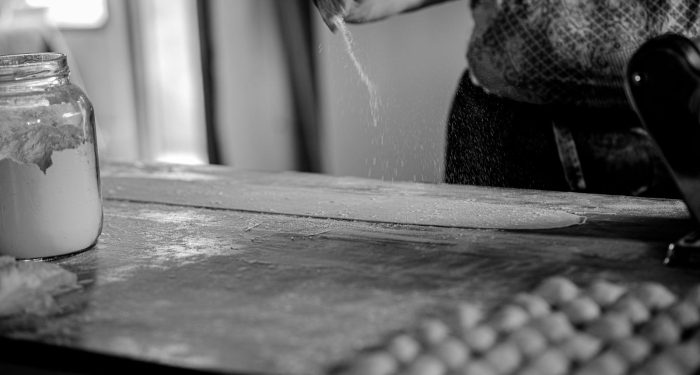
The aesthetic is powerful. Rustic loaves with perfect scoring. That artisanal crust. Mason jars of bubbling starter with names. The entire process photographed and shared as evidence of patient, wholesome living.
The reality is more tedious. Sourdough requires feeding a starter on schedule, precise timing, temperature management, and accepting that half your loaves will be dense or misshapen. It's finicky and time-consuming.
But upper-middle-class people became obsessed during the pandemic because sourdough signals specific things. Patience in a fast-paced world. Connection to traditional food practices. The leisure time to maintain a living organism for bread purposes. It's performance of values more than pursuit of pleasure.
Most people doing this would be happier buying good bread from a bakery. But that doesn't come with the cultural capital of being a "sourdough person." The aesthetic and identity matter more than the eating experience.
2. Elaborate coffee brewing rituals
Pour-over coffee. French press. Aeropress. Expensive burr grinders. Single-origin beans from specific regions. The whole thing requires equipment, technique, and time that most people don't actually enjoy spending.
The coffee might be marginally better than what a machine makes. But the ritual is really about signaling refinement and intentionality. It's performance of slowing down, appreciating quality, being the kind of person who won't settle for regular coffee.
Watch someone do their elaborate coffee routine. They're often scrolling through their phone or stressed about running late. The ritual isn't actually bringing them peace. But it looks like it does, especially in photos.
The aesthetic of carefully poured coffee and artisan equipment signals specific values. The daily reality is just an expensive, time-consuming way to get caffeine that doesn't actually improve the morning that much.
3. Indoor plant collecting
Not one or two plants. Dozens. Different varieties with names you learn. Elaborate care routines. Humidity trays and grow lights. An identity built around being a plant parent.
The aesthetic appeal is obvious. Plants photograph beautifully. A jungle-like living space signals environmental consciousness and nurturing tendencies. The terminology ("plant parent," "propagating," "variegation") provides insider language.
But most people with plant collections find them stressful more than joyful. The constant monitoring for pests, the anxiety when something starts dying, the guilty feeling about the plants you're neglecting. It's a hobby that creates obligation more than pleasure.
The joy is about 10% watching something grow and 90% curating an Instagram-worthy plant aesthetic and the identity of being someone who is good at keeping things alive. Even though half the plants are struggling and you're not entirely sure why.
4. Hosting elaborate dinner parties with themes
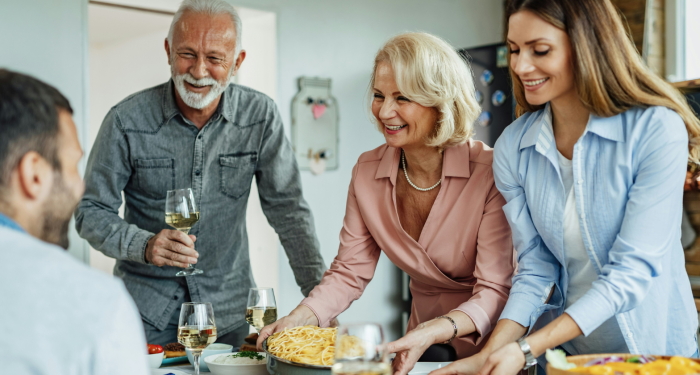
Not just having people over for dinner. Themed dinner parties. Careful tablescapes. Matching napkins. Food presentation that takes longer than eating it. The event planned and executed like a magazine spread.
The aesthetic is dinner party as art form. Every detail photographed and shared. It signals hospitality, creativity, and the time and money to make entertaining look effortless (while putting in enormous effort).
But watch the host during these parties. They're stressed about timing, worried about presentation, barely eating because they're managing everything. They're performing hosting more than enjoying company.
The guests feel it too. The formality creates pressure to appreciate everything correctly, to provide the right compliments, to participate in the aesthetic. It's often less fun than just eating pizza together, but it doesn't photograph as well.
5. Practicing yoga and photographing it
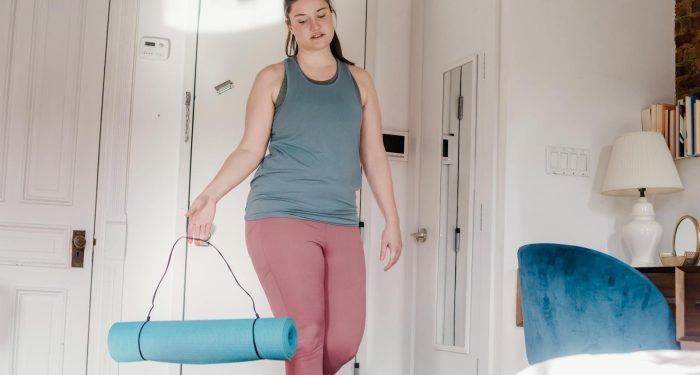
Not going to yoga classes for flexibility or stress relief. Building an at-home practice. Getting good at photogenic poses. Posting about yoga as identity and lifestyle, not just exercise.
The aesthetic is enlightenment made visible. Difficult poses in beautiful settings. Carefully curated yoga outfits. Captions about mindfulness and inner peace. It signals wellness, discipline, and spiritual depth.
The actual practice is often secondary to getting the shot. People spend more time arranging their mat in good lighting than they spend actually practicing. The joy is less in the movement and more in the image it creates.
Real yoga practice is awkward, unglamorous, and often deeply uncomfortable. The photographable version is performance of wellness. The aesthetic signals values. The actual doing is whatever percentage is left over after serving the image.
6. Maintaining an elaborate skincare routine
Not basic skincare. The ten-step routine. Multiple serums. Products with complicated ingredient lists. An entire bathroom shelf dedicated to beauty maintenance.
The aesthetic is self-care as ritual. All the bottles lined up. The dedication to oneself. The visible commitment to aging gracefully. It signals having money, time, and the right priorities.
The reality is that most people find their routine tedious. They do it because they've invested in the identity of being someone who takes skincare seriously. Missing a night creates guilt. The routine is obligation disguised as pleasure.
And the results are usually minimal. Most people's skin would be fine with three products. But that doesn't provide the same aesthetic or identity. The elaborate routine is performance of valuing yourself, even if it's actually just expensive and time-consuming.
7. Urban farming and chicken keeping
Not a real farm. A few raised beds in the backyard. Maybe some chickens. Enough to call yourself an urban farmer and post about your harvest.
The aesthetic is powerful. Fresh eggs. Homegrown tomatoes. The connection to food sources. It signals environmental values, self-sufficiency, and rejection of industrial food systems.
The reality is that most urban farming costs more in time and money than just buying organic vegetables. The chickens are cute for about a month and then they're just work. The garden produces three tomatoes that cost $40 each when you factor in the setup.
But the identity and aesthetic are worth it. Being an urban farmer signals specific values to specific people. The actual farming is mostly frustrating and produces disappointing results, but that's not the point.
8. Learning to make fermented foods
Kombucha. Kimchi. Sauerkraut. The process is lengthy, imprecise, and often produces results that taste worse than what you can buy. But it's trendy, photographs well, and signals health consciousness and connection to traditional food practices.
The aesthetic is jars of fermenting things on counters. The terminology (SCOBY, probiotic, gut health). The identity of being someone who makes their own fermented foods instead of buying them.
The reality is that most of these projects get started with enthusiasm and abandoned when people realize fermentation is unpredictable, smelly, and often produces things they don't actually want to eat. But by then they've already posted about starting, so they have to maintain the identity even if the jars are languishing in the back of the fridge.
9. Training for marathons while posting about it
Not running for fitness or enjoyment. Training for a marathon (or half marathon, or triathlon) and making it a significant part of your identity. Posting training updates. Special nutrition. Talk of discipline and mental toughness.
The aesthetic is dedication, health, and pushing limits. It signals having the time and physical ability to pursue endurance sports. It's aspirational and impressive.
But most people training for marathons are miserable through most of it. They're injured, exhausted, and spending every weekend on long runs they're not enjoying. The actual running is often punishment more than pleasure.
The joy is primarily in telling people you're training for a marathon and eventually in saying you've completed one. The aesthetic of being an endurance athlete. The months of actual training? That's the 90% that's not particularly enjoyable but necessary to maintain the 10% of identity and accomplishment.
What makes a hobby performative
Not all upper-middle-class people doing these hobbies are being performative. Some genuinely love sourdough or running or plants. The difference is what happens when no one is watching.
If you're doing it primarily because it looks good, because it signals the right values, because it fits the identity you're cultivating, that's when it's 90% aesthetic. If you'd still do it exactly the same way with zero audience and no documentation, it might actually be genuine enjoyment.