Smarter isn’t a test score, it’s what happens when your hobbies quietly train attention, pattern recognition, and patience until your brain feels light on its feet

Add VegOut to your Google News feed. 
The smartest person I know never brags about being smart.
He just keeps a small set of habits that make thinking feel light. Watching him, and testing my own brain through seasons of burnout and renewal, I realized something simple.
You do not need a new identity to get sharper. You need hobbies that train attention, pattern recognition, and memory in the background while you live your actual life.
Here are seven hobbies that quietly make you smarter and more mentally agile over time. None require a lab coat. All compound.
1. Learn a real language the slow way
Fluent brains do not happen from streaks alone. They grow through daily friction. Ten honest minutes of speaking with a real human will teach your neurons more than an hour of tapping at a screen.
What it trains: working memory, auditory processing, and cognitive flexibility. You learn to hold one sentence while you reach for another. You learn to switch sounds without freezing. You learn to tolerate not knowing, which is a sneaky form of intelligence.
How to start: pick one living situation that forces light conversation. A weekly language table at a café. A neighborhood meetup. A tutor for thirty minutes. Keep a pocket notebook for phrases you will actually use this week. Please, thank you, I would like, where is, how much, sorry, and one line about your day. Read them aloud. Record yourself. Hear where your mouth gets confused and coach it.
Small rule that works: use your new language for one tiny daily task. Order coffee. Say hello to the same shopkeeper. Ask a bus driver one question. Anxiety drops when repetition shows up.
I practiced Spanish with a retired neighbor who watered plants at 7 a.m. We exchanged two sentences each morning for a month. On day 30 I stopped translating in my head for one line. It felt like a lock clicking open. That click did more for my confidence than any trophy badge.
2. Play an instrument that talks back
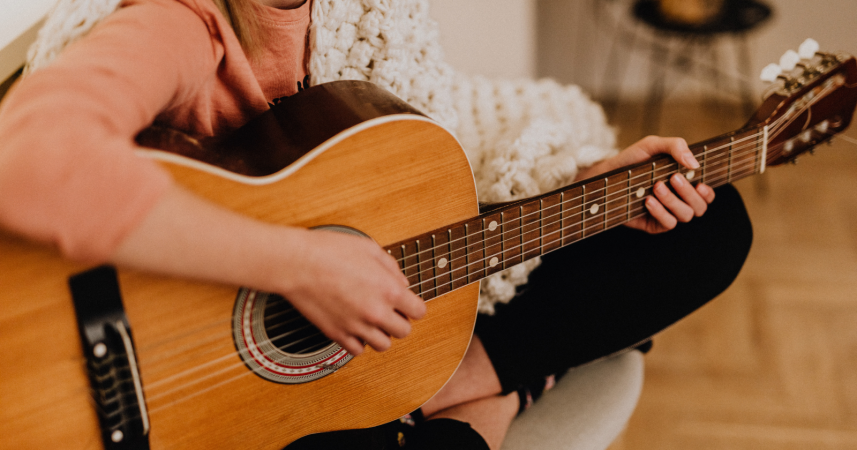
Music is a brain gym disguised as joy. It trains timing, pattern detection, and attention under pressure. A few chords on guitar. A basic drum practice pad. A keyboard that lives where you can reach it. You do not have to perform. You do have to listen.
What it trains: auditory working memory, motor planning, and focus. You hold a rhythm while reading a chord chart while listening to your own mistakes. That triple load builds mental stamina you will feel later at work.
How to start: five minutes a day can outrun one long session on Sunday. Choose one song you love and one scale you can tolerate. Alternate days. Record yourself once a week. Notice micro progress, cleaner transitions, fewer hesitations. The proof fuels the habit.
Upgrade for free: clap rhythms before you play them. Count out loud. The mouth connects the mind to the metronome.
3. Read across time, not just topics
You already know reading is good for your brain. The trick is to read in a way that stretches your model of the world, not just your attention span. Pair one contemporary book with one older book that tackles a related question. Then add one short piece that argues from the other side.
What it trains: perspective taking and synthesis. You watch ideas evolve and learn to stitch them into your own thinking. That is mental agility in action.
How to start: create a one shelf syllabus. Four pairs for a year. For example: a modern book on habits with a 20th century essay on willpower. A current book on cities with Jane Jacobs. A fresh memoir with a classic on grief. Take margin notes with verbs only. Argues that. Assumes that. Proves that. Then write one paragraph that begins, “The strongest idea here is…” You are building a thinking spine.
Short rule: when a sentence knocks you over, stop and copy it by hand. You will remember it longer and feel the gears in your head align.
4. Move your body in patterns, not just numbers
Brains love coordinated movement. Dancing, tai chi, pickleball drills, swimming sets, rock climbing sequences, even jump rope with footwork. These are not just workouts. They are lessons in timing, feedback, and recovery. Repetition plus variation is rocket fuel for neuroplasticity.
What it trains: procedural memory, proprioception, focus under fatigue, and the ability to adjust when the plan changes. All of that transfers to meetings, parenting, and any day that does not care about your checklist.
How to start: choose one pattern based hobby that is fun enough to keep. Commit to two short sessions a week. Keep a tiny log with three lines. Focus, what went well, what to tweak next time. Watch how quickly your notes get cleaner. Your mood will lift faster than your performance. That is a win.
Free upgrade: teach the move you just learned to a friend. Teaching locks the pattern into your brain.
5. Make things with your hands on purpose
Cooking, woodworking, sewing, gardening, sketching, pottery. Any craft that converts materials into a thing you can hold will pull your attention out of the abstract and into the present. The mind loves feedback it can see, smell, and touch.
What it trains: sequencing, error correction, and spatial reasoning. You plan, you attempt, you adjust. Over time you build a library of patterns. That library is silent intelligence. It lets you predict failures sooner and recover faster.
How to start: pick one project that fits on a kitchen table. A loaf of bread. A planter box. A hem. A simple sketch of your mug. Keep everything visible so the friction stays low. Put a timer on for 25 minutes and let that be your whole session. The goal is not a masterpiece. The goal is a rhythm that keeps you in the shop chair.
Mini memory: I once tried to fix a stuck drawer with the wrong tool. Twenty minutes later I had learned three new things about wood and patience. That lesson showed up weeks later when a writing project stuck. I stopped forcing. I sanded.
6. Do small public math
Puzzles are great. Real world math is better. Count tip without an app. Estimate arrival times. Convert currencies in your head. Track a grocery total while you shop and see how close you get. Treat it like a game. Accuracy improves with use and the confidence carries over.
What it trains: numeracy, estimation, and executive control. You learn to hold a number while you add another, resist distraction, and check reasonableness. You also lower your cost of living quietly because you stop outsourcing every calculation to a device.
How to start: pick one domain per week. This week, tips. Next week, travel time. After that, price per unit in the store. Write your estimates on a tiny card and check against reality. Celebrate being close, not perfect. Your brain loves quick feedback loops.
Bonus round: memorize ten benchmark facts. One kilometer is about 0.62 miles. A liter is just over a quart. Sales tax in your city. Those anchors make the rest easy.
7. Tend a daily observation habit
Smart people are not always the fastest. They are the ones who notice. Build a hobby around noticing and your whole life sharpens. A daily sketch of one object. A photo a day at the same corner for a month. A one line field note about a conversation, a smell, a color in the sky. This is not a journal dump. It is a practice of attention.
What it trains: selective attention, memory consolidation, and pattern spotting. You teach your brain to gather high signal details and ignore noise. Over time you start predicting what happens next in small ways. That is practical intelligence.
How to start: choose a container that cannot overwhelm you. One index card per day with three bullets. Or one square in a pocket notebook. Keep the rules simple. One thing I saw. One thing I heard. One thing I felt. Review once a week and circle anything that repeats. Those repeats are messages.
Common traps and how to dodge them
- The gear trap. You do not need a new instrument, camera, or set of pens to start. Begin with what you have. Upgrade only after thirty consistent days.
- The streak worship. Break a streak and keep going the next day. Consistency wins, not perfect attendance.
- The identity costume. You are not a “language person” or a “math person.” You are a human who can get better at practical things.
- The private dungeon. Bring one hobby into public. A language table. A music circle. A walking club. Community accelerates growth and keeps the fun alive.
Two tiny stories that kept me honest
A friend started tai chi at 70. His doctor noticed blood pressure changes. His wife noticed he stopped dropping his keys. He noticed he could reach the top shelf without wobbling.
The side effect he did not expect was mental calm. He said, “My thoughts line up now.” That sentence is why patterns matter.
Another friend learned to sew to fix a jacket. Two months later she was altering thrift finds and explaining grain lines over coffee. When a work crisis hit, she kept saying, “Measure, pin, test, then stitch.” Her team shipped a project on time because she applied fabric logic to meetings. Craft became a thinking template.
A twelve week starter plan
Weeks 1 to 4: language for ten minutes a day, observation on an index card, one movement session each week.
Weeks 5 to 8: keep those, add a craft block on Saturdays, and start public math with tips and totals.
Weeks 9 to 12: add music for five minutes a day and a two book pair on your nightstand. Do not expand further. Let the habits settle.
Put a small checklist where you can see it. Check marks feel elementary. They also keep promises visible.
Final thoughts
You do not need to chase genius. You need hobbies that return you to attention, pattern, and patience.
Learn a language with a face attached to it. Play an instrument for five honest minutes. Read across decades so your thinking grows roots. Move in patterns so your brain learns under effort. Make things with your hands so error becomes feedback, not shame. Do small public math to trust your sense again.
Capture a daily observation so the world stops blurring.
What happens next will feel ordinary and large at the same time.
You will reach for the right word faster. You will hear the key change sooner. You will spot the simple fix and take it. You will hold two ideas in your head without dropping either. That is mental agility.
It is built in tiny sessions that add up to a quieter, sharper life. Pick one hobby today and start small. Your brain will thank you in a language you will recognize.
If You Were a Healing Herb, Which Would You Be?
Each herb holds a unique kind of magic — soothing, awakening, grounding, or clarifying.
This 9-question quiz reveals the healing plant that mirrors your energy right now and what it says about your natural rhythm.
✨ Instant results. Deeply insightful.

Daniel Moran
Daniel is a freelance writer and editor, entrepreneur and an avid traveler, adventurer and eater.
He lives a nomadic life, constantly on the move. He is currently in Bangkok and deciding where his next destination will be.
You can also find more of Daniel’s work on his Medium profile.
More Articles by Daniel