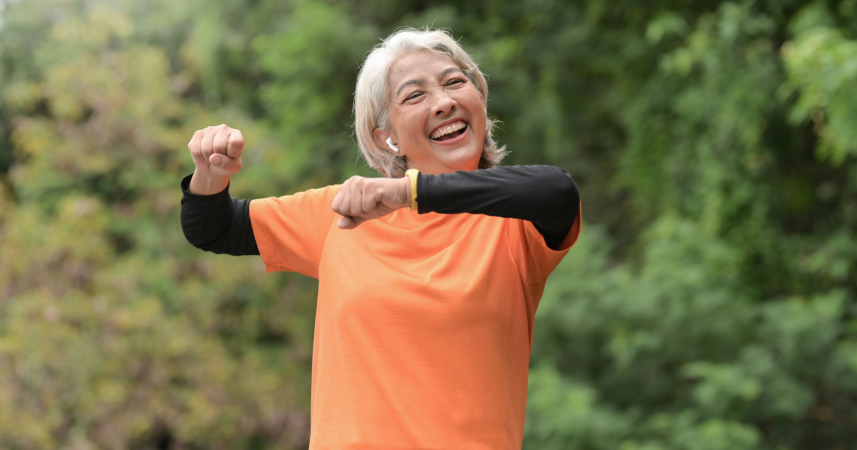
Healthy aging shows up in the things you love. If these 8 hobbies are part of your life, chances are you’re staying sharper, happier, and more vibrant than your peers.
Aging well is a funny thing.
Most people think it’s all genetics or expensive supplements or some hyper-optimized morning routine that requires a spreadsheet. But whenever I meet someone who looks far younger than they are, the explanation is usually much simpler.
It’s in how they live.
More specifically, it’s in what they enjoy doing.
In my twenties working in luxury hospitality, I met chefs, winemakers, and lifelong travelers who somehow seemed immune to the passing of time.
They had laugh lines, sure, but there was an energy in them that didn’t match their age. Eventually, I started to notice a pattern. Many of them shared the same habits and hobbies.
And science agrees. Certain activities help keep your brain sharper, your body stronger, and your mood more stable compared to peers who never do them.
If you enjoy these eight hobbies, you might already be aging better than you think.
Let’s get into it.
1) Cooking for yourself
This one surprised me when I first learned the research behind it.
People who cook at home tend to live longer and healthier lives. Not because they only make salads or quinoa bowls, but because cooking is a mentally and physically engaging activity.
There’s planning, prepping, multitasking, creativity, sensory awareness, and at least one moment where you ask yourself why you thought making a three-part sauce was a good idea on a weeknight.
Beyond the science, cooking also slows you down in a very real way.
You engage your senses and become present. You feed yourself something real, something you chose. It is grounding in a world filled with screens and speed.
Even when I travel, I try to cook at least once. It makes me feel more rooted and connected to wherever I am.
2) Walking regularly
Walking has quietly become the trendiest form of exercise again, and honestly, I get why.
It is one of the easiest and most underrated forms of movement. When you look at Blue Zones, the places where people frequently live past 100, walking is the most consistent habit across the board.
Not marathons. Not intense cardio sessions. Just simple, frequent movement.
Whenever I visit a new city, I walk everywhere. It is my favorite way to explore markets, coffee shops, street food stalls, and neighborhoods that somehow were not on my itinerary but now I am in anyway.
Walking keeps your joints happy, your metabolism active, and your mind calm. It also helps manage stress better than most people realize.
If you are a regular walker, your future self is already thanking you.
3) Reading nonfiction
Reading always seems to appear on lists like this, but that’s because it genuinely matters.
Studies show that reading strengthens neural pathways, improves memory, reduces stress, and may even lower the risk of cognitive decline as you age.
That is a powerful return for something you can do wrapped in a blanket with a cup of tea.
I lean toward nonfiction because it feeds my curiosity. A book can shift your worldview and give you new ways of seeing the world. Whenever you challenge your brain with fresh information, you are giving it a workout.
James Clear once wrote that every book you read is a conversation with the smartest people in the world. I think about that a lot.
4) Lifting weights
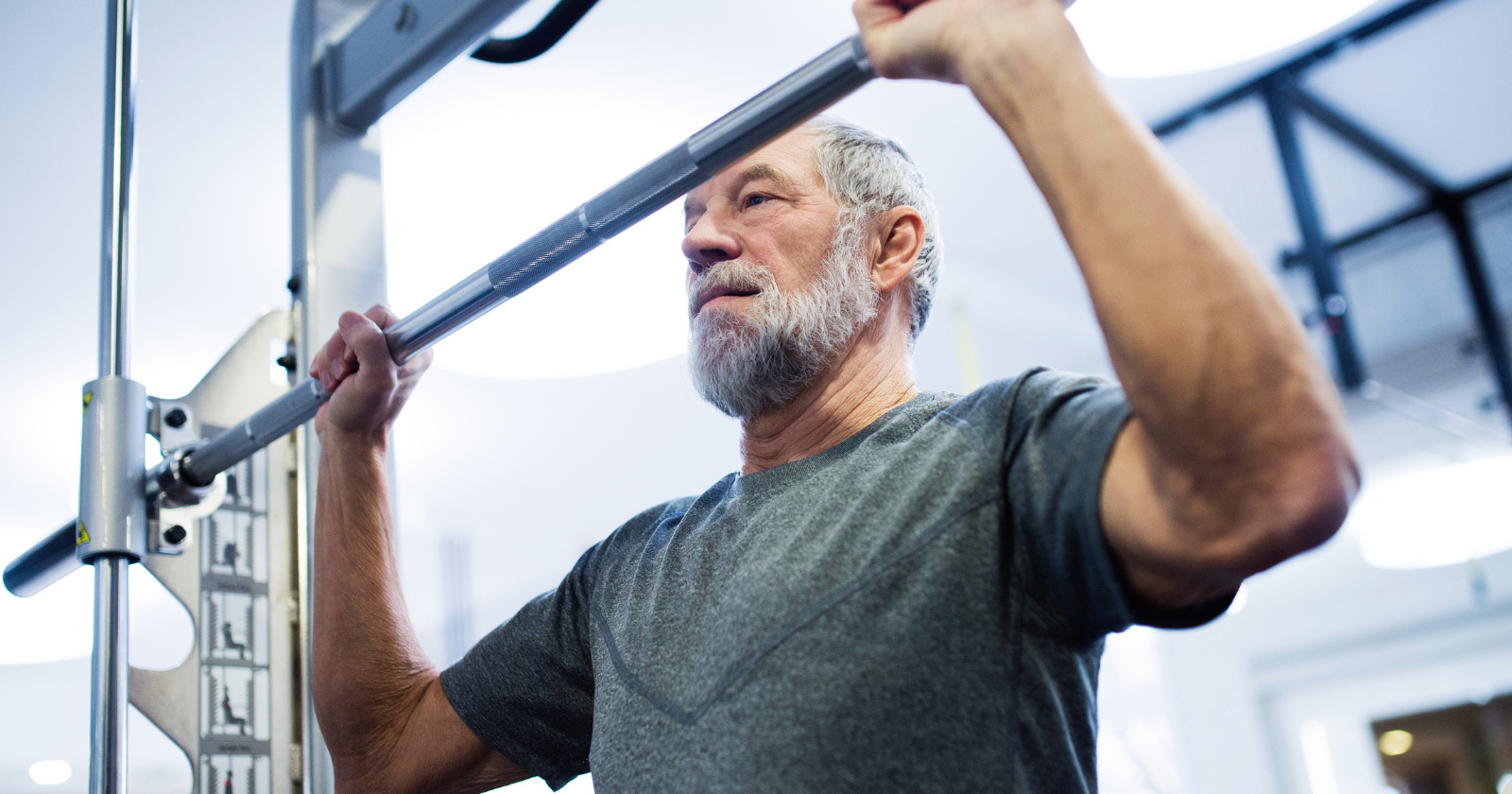
For years, I thought weightlifting was only for bodybuilders or actors preparing for superhero movies.
Then I hit my late twenties and noticed that losing muscle happens far more easily than I ever expected.
Gaining it back takes effort. And that is where strength training becomes incredibly important.
Resistance training is one of the most powerful habits for healthy aging. It supports bone density, boosts metabolism, improves balance, protects joints, and helps maintain energy over time.
You do not need to lift heavy to benefit. Even small, consistent sessions make a measurable difference.
During my years in fine dining, I would squeeze in a morning workout whenever I could.
The energy it gave me carried through long shifts. My posture felt better. My mood stayed balanced. My body simply worked better.
If lifting weights is something you genuinely enjoy, you are doing something profoundly beneficial for your future self.
5) Gardening or caring for plants
I used to think gardening was strictly a hobby for retirees. Then I started growing herbs for my cooking and instantly understood the appeal.
Caring for plants is calming. It slows your nervous system. It gets you outside. It exposes you to sunlight and, if you are growing anything edible, it also rewards you with something fresh and delicious.
Even indoor plants have a soothing effect. And research shows that people who garden regularly tend to have lower stress levels, stronger immune systems, and better mental well-being.
Plus, nothing feels as satisfying as picking basil you grew yourself and sprinkling it over a dish.
6) Traveling often
Travel does not need to be luxurious to benefit your mind and body.
Whether you are flying across the world or exploring a nearby town with great food, travel keeps your mind adaptable. It exposes you to novelty, which is one of the most powerful anti-aging tools we have.
When you navigate unfamiliar places, try new dishes, or have conversations with people from different cultures, your brain rewires itself. This kind of neuroplasticity helps keep your mind youthful.
Travel also encourages curiosity and adaptability. Some of the youngest feeling people I know are the ones who never stopped exploring.
7) Learning new skills
Every year, I try to ask myself a simple question. When was the last time I was a beginner at something?
Being a beginner is uncomfortable, but it is one of the most powerful ways to keep your brain young.
Learning new skills, whether that is a language, cooking technique, instrument, craft, or sport, forces your brain to build new pathways.
It is cognitive rejuvenation.
Many adults stop learning because life gets busy. But novelty is fuel for the brain. When you keep learning, you are essentially telling your mind that the world is still worth paying attention to.
And that keeps you young.
8) Socializing meaningfully
Here is one of the most overlooked habits of people who age well.
Meaningful social connection predicts longevity more strongly than many health markers.
Not shallow interactions. Not forced networking. Real connection. Conversations that energize you. Relationships that make your life feel brighter.
Humans are wired for connection. When we feel supported and seen, our stress drops. Our mood improves. Our immune system becomes stronger.
Whenever I travel alone, I make an effort to connect with people. A waiter. A guide. Someone sitting next to me. Some of these interactions stay with me for years.
If you naturally invest in relationships or enjoy social time, you are giving yourself a major health advantage.
The bottom line
If you already enjoy these hobbies, you are aging well without even trying.
Cooking keeps your senses alive. Walking keeps your body moving. Reading keeps your mind flexible. Strength training keeps your muscles strong. Gardening keeps you grounded. Travel keeps you curious. Learning keeps you mentally sharp. Connection keeps you emotionally healthy.
Aging well is not about fighting time. It is about living in a way that works with it.
And if you are already enjoying these things because they make life feel good, then you are probably aging far better than you realize.
Until next time.
What’s Your Plant-Powered Archetype?
Ever wonder what your everyday habits say about your deeper purpose—and how they ripple out to impact the planet?
This 90-second quiz reveals the plant-powered role you’re here to play, and the tiny shift that makes it even more powerful.
12 fun questions. Instant results. Surprisingly accurate.