Gen Z isn’t just reviving their grandparents’ hobbies; they’re turning them into creative empires.
Every generation rebels against the one before it until they realize some of those “outdated” ideas were actually genius.
Gen Z is learning that slower, more tactile hobbies, once considered relics of their grandparents’ era, aren’t just grounding. They’re lucrative.
We’ve come full circle: what used to be weekend leisure for boomers has turned into side hustles, full-blown businesses, and lifestyle brands.
1. Gardening
It used to be a backyard pastime, something your parents or grandparents did to unwind after work. Now, it’s a wellness trend with its own influencer economy.
Scroll through TikTok for five minutes and you’ll find someone selling microgreens kits, posting harvest reels, or teaching followers how to grow basil on an apartment windowsill.
What’s changed? Accessibility. Gen Z isn’t inheriting acres of land; they’re turning balconies, fire escapes, and small patios into thriving mini-ecosystems.
The appeal goes beyond the plants themselves. Gardening scratches that “slow life” itch, a rebellion against screen fatigue and information overload.
It’s sensory, grounding, and visual. And with affiliate links, brand sponsorships, and Etsy sales of seedlings or homemade fertilizer, it’s also profitable.
The older generation might have done it for peace of mind. Gen Z is doing it for peace and passive income.
2. Vinyl collecting
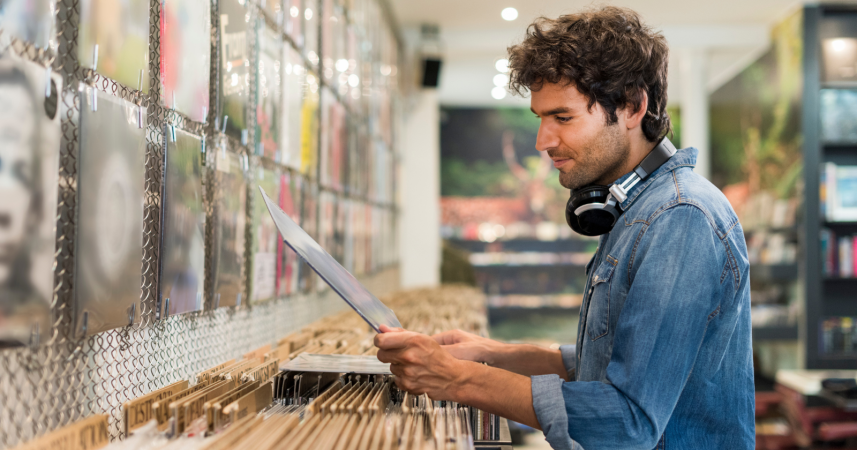
There’s something poetic about the way vinyl has made its comeback.
I grew up in the CD-to-MP3 era. Music got smaller, faster, and more disposable. But when you drop a needle on a record, you can’t skip easily. You listen.
As noted by Johns Hopkins Medicine, “Listening to or performing music has been linked to improvements in memory, mood, and overall cognitive sharpness.”
That might explain why so many young people are ditching playlists for records. They’re buying more than music, investing in the kind of presence that streaming rarely gives.
The ritual of cleaning a record, lowering the arm, hearing the first crackle, it’s mindfulness disguised as nostalgia.
And it goes beyond simple enjoyment. Some are flipping rare albums, running Instagram record shops, or curating playlists that lead to affiliate vinyl sales.
It’s a reminder that slowing down can sharpen you up.
3. Thrifting and upcycling
If there’s one pastime that perfectly blends creativity, sustainability, and cash flow, it’s thrifting.
Boomers did it out of necessity or practicality. Gen Z does it to express who they are.
Instead of focusing on saving money, they focus on making style personal. Turning a men’s XL blazer into a cropped jacket or hand-painting denim has become both fashion and content.
Many of the thrift-savvy creators I’ve followed started with nothing but a sewing machine and a good eye.
Now they’re running full resale shops, teaching upcycling workshops, or partnering with eco-brands.
There’s also something psychological at play. As psychologist Mihaly Csikszentmihalyi wrote, “Deep engagement in challenging, skill-based activities…leads to what he called ‘optimal experience’ - a fulfillment intrinsic to the act itself.”
When you’re lost in the rhythm of transforming an old garment into something new, you’re not just making art. You’re tapping into flow, and that’s its own kind of wealth.
4. Knitting and crochet
For decades, knitting was something you associated with rocking chairs and doilies. Now it’s gone viral.
You’ve got 20-year-olds crocheting mushroom hats, chunky scarves, and textured sweaters while streaming the process on TikTok or Etsy.
What’s fascinating is how Gen Z has taken knitting beyond revival and turned it into something entirely new.
They’re experimenting with bold colors, modern patterns, and streetwear silhouettes. The result is an entirely new aesthetic that lives somewhere between comfort and chaos.
Personally, I picked up crochet during lockdown. I was terrible at it, but the meditative repetition reminded me of something I’d read in Rudá Iandê’s Laughing in the Face of Chaos.
He writes, “When we stop resisting ourselves, we become whole. And in that wholeness, we discover a reservoir of strength, creativity, and resilience we never knew we had.”
That’s what hobbies like knitting do. They pull you back into yourself. They remind you that not everything has to be optimized.
Sometimes, the most valuable thing is to make something imperfect, simply because it feels good.
5. Analog photography
Film cameras were supposed to die. Instead, they became art. For Gen Z, shooting on film represents intention more than nostalgia.
When you’ve only got 24 or 36 exposures, you start to see again. You slow down. You frame with purpose.
That limitation feels oddly freeing in a world that thrives on endless scrolls and unlimited takes.
I’ve spent years practicing photography, and it’s taught me one thing: the slower the medium, the deeper the focus.
Analog photography has also turned into a profitable niche. From portrait sessions shot on 35mm to film-simulation presets and editing tutorials, young creators are monetizing their analog eye.
It’s another case of the old becoming new again, not through nostalgia, but through recontextualization. The darkroom became the digital classroom.
6. Book clubs and journaling
Boomers had book clubs. Gen Z has Substacks and Discord channels.
The desire to connect over ideas hasn’t changed, only the medium has.
A few years ago, physical book clubs seemed to be fading. Now they’re thriving again, often blending online discussion with in-person meetups.
Many revolve around self-development, feminism, or mindfulness.
Some creators monetize them with Patreon tiers, merch, or affiliate links to indie bookstores. Others use them to build community, a currency that’s becoming more valuable than cash.
Journaling, too, has evolved from a private reflection tool to a shared practice. Bullet journals, Notion templates, and creative journaling prompts are all monetizable micro-niches.
As one Gen Z creator said in a recent interview I read, “People don’t just want to document their thoughts; they want to design their minds.”
Writing things down might be ancient, but the urge to make meaning is timeless.
7. Baking and preserving
Let’s be honest, banana bread was the real MVP of lockdown.
But baking’s revival runs deeper than quarantine trends.
Boomers saw it as homemaking. Gen Z sees it as sensory therapy and a side hustle.
There are cottage bakers selling sourdough loaves online, creators teaching fermentation on YouTube, and hobbyists turning jam-making into subscription boxes.
It’s slow, intentional, and deeply human.
There’s something comforting about turning raw ingredients into nourishment. It’s tactile, immediate, and a little chaotic, much like life itself.
Baking teaches patience and acceptance; the kind that comes from working with your hands, trusting the process, and enjoying whatever comes out of the oven.
The bigger picture
What’s interesting isn’t that Gen Z is “reviving” boomer hobbies; it’s the motivation behind it.
They’re seeking meaning, embodiment, and creative control in a digital world that often feels detached and performative.
And unlike boomers, they’re using technology to amplify, not replace, the real experience. The same phone that captures a sourdough reel or knitting tutorial also broadcasts it to millions.
In a strange way, these reclaimed pastimes are modern mindfulness disguised as commerce.
They prove something I’ve mentioned before: the future isn’t about moving faster. It’s about rediscovering what it means to move intentionally.
The bottom line
The hobbies that once defined our grandparents’ weekends are now shaping Gen Z’s careers.
And maybe that’s the real lesson here: progress doesn’t always mean inventing something new.
Sometimes, it means reimagining what’s always worked, this time with Wi-Fi.
If You Were a Healing Herb, Which Would You Be?
Each herb holds a unique kind of magic — soothing, awakening, grounding, or clarifying.
This 9-question quiz reveals the healing plant that mirrors your energy right now and what it says about your natural rhythm.
✨ Instant results. Deeply insightful.

Jordan Cooper
Jordan Cooper is a pop-culture writer and vegan-snack reviewer with roots in music blogging. Known for approachable, insightful prose, Jordan connects modern trends—from K-pop choreography to kombucha fermentation—with thoughtful food commentary. In his downtime, he enjoys photography, experimenting with fermentation recipes, and discovering new indie music playlists.
More Articles by Jordan