A few small shifts can completely change the tone of your day—sometimes in less than half an hour.
Some days, it doesn’t take much to derail my mood. A missed deadline, a sharp email, or even just too much scrolling can throw me off.
But I’ve learned that I don’t have to sit in that funk all day. In fact, I’ve built a little toolkit of activities that help me reset—each one takes less than 30 minutes.
These aren’t grand life overhauls. They’re small, doable shifts that pull me back into myself and remind me that mood is flexible, not fixed.
Let’s get into it.
1. I go for a brisk walk
It sounds simple, but walking has saved more of my days than I can count.
When I lace up and get outside, I’m not just moving my body—I’m changing my environment.
That shift alone can snap me out of mental loops. Sometimes I put on an upbeat indie playlist, other times I just listen to the rhythm of my steps.
The science backs this up too. As noted by Harvard Medical School, even a short walk can boost endorphins and reduce stress.
It’s exercise, but it doesn’t feel like punishment. It feels like freedom.
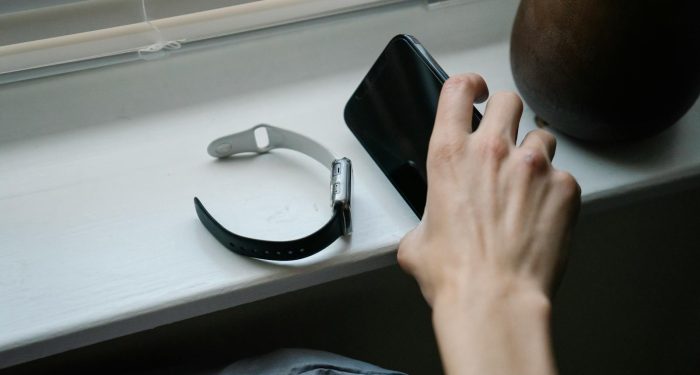
2. I put my phone on airplane mode
Ever notice how a bad mood can spiral after just a few extra notifications? I’ve realized the quickest way to reset is to give myself some peace from the digital noise.
When I flip on airplane mode, my brain gets a breather. No dings, no pings, no mental clutter.
Instead, I can focus on something real—reading, stretching, or even just staring out the window.
It’s not about ignoring responsibilities. It’s about protecting my energy long enough to find my balance again.
3. I make something with my hands
Mood shifts happen when you change your focus. For me, that often means doing something tactile.
Cooking a quick vegan meal, brewing a pour-over coffee, or picking up my camera to frame a shot.
There’s something grounding about making something tangible in a world that often feels abstract. Psychologists call this “behavioral activation”—when small, meaningful actions help interrupt negative cycles.
It works because you’re creating instead of consuming. And creation, in almost any form, carries its own reward.
4. I clean one small area
Not the whole apartment, not a spring-cleaning binge—just one drawer, one counter, or one shelf.
Why? Because clutter often mirrors my state of mind. Clearing a small space resets the mental clutter too. Order—even in a tiny corner—has a way of bleeding into the rest of your day.
Plus, the quick win gives me momentum. I finish with a sense of accomplishment that nudges me back into a better headspace.
5. I do a quick breathing reset
Breathing sounds like the most boring advice ever. But here’s the thing: most of us don’t actually notice how shallow and rushed our breathing gets when we’re stressed.
Sometimes I set a timer for five minutes and just do box breathing: inhale four counts, hold four, exhale four, hold four. Other times, I just take ten slow deep breaths with my hand on my chest.
As noted by Stanford neuroscientist Andrew Huberman, controlled breathing directly impacts the nervous system and can shift your body from stress mode to calm mode in minutes. It’s a reset button built into your biology.
6. I text a friend something kind
Not to vent, not to ask for anything—just to drop a kind note. “Hey, just wanted to say I appreciate you.”
It seems small, but sending a little spark of positivity outwards always bounces back. As psychologist Martin Seligman has said, practicing acts of kindness boosts both the giver’s and receiver’s mood.
It reminds me that connection is bigger than whatever spiral I’ve been stuck in. And often, the reply makes me smile too.
7. I listen to one great song—loud
Music has always been my anchor. When I put on one of those songs that just cuts through—whether it’s Radiohead, Frank Ocean, or something upbeat from my indie playlist—it shifts the entire atmosphere of my head.
It’s a full-body experience. The bass hits, my foot taps, and suddenly I’m not stuck anymore. Neuroscientists have found that music activates the brain’s reward centers much like food or social connection.
So yes, blasting one song—really listening—can be enough to change the weather inside my head.
The bottom line
A mood reset doesn’t need an entire afternoon or a meditation retreat.
It can happen in the space of 30 minutes—or less.
The trick is noticing when you’re stuck, and then doing something, however small, to interrupt the spiral.
Walking, cleaning, texting, breathing—it all works because it reminds you that you’re not at the mercy of your mood.
Next time you feel off, try one of these resets. You might be surprised how quickly you can reclaim your day.