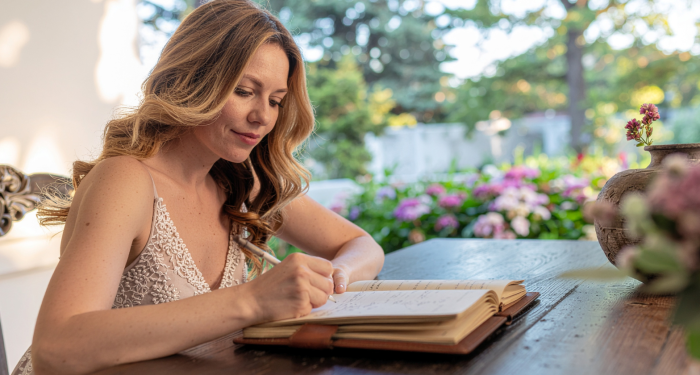
Growth after thirty looks like learning to enjoy the process, not just chase the outcome.

Add VegOut to your Google News feed. 
Your thirties hit differently, don't they?
Suddenly you're not scrambling to figure out who you are anymore. You've got a better handle on what matters and what's just noise. And somewhere in that shift, you might find yourself drawn to new interests that would have bored you senseless a decade ago.
Here's what I've noticed: the hobbies we pick up after thirty often reveal something important about our evolution as humans. They're less about impressing others and more about feeding something genuine inside ourselves.
If you've adopted any of these six pursuits in your post-thirty life, you're probably navigating adulthood with more wisdom than you're giving yourself credit for.
1. Photography
There's something about hitting your thirties that makes you want to capture moments rather than just live through them.
I picked up photography seriously around 42, walking around Venice Beach with a camera that cost more than my first car. At first, I thought it was just another hobby. But it turned into something else entirely.
Photography forces you to pay attention. You start noticing light hitting buildings at certain angles, the way people's faces change when they're genuinely laughing, the perfect chaos of a farmers market on Saturday morning.
When you're younger, you're often too busy performing life to actually observe it. But somewhere after thirty, observation becomes more valuable than performance.
The camera becomes a tool for mindfulness, even if you never use that word. You're present because you have to be. You can't photograph what you're not seeing.
And here's the thing that surprised me most: it's not really about the photos. It's about training yourself to see beauty in ordinary moments. That skill transfers to everything else.
2. Cooking elaborate meals from scratch
Remember when cooking meant heating up something from a box or ordering delivery?
Yeah, that changes.
I spend Sunday afternoons now making Thai curries that take three hours and involve ingredients I can't pronounce. My partner thinks I'm ridiculous. But there's something meditative about chopping vegetables, building flavors layer by layer, creating something from raw ingredients.
Cooking after thirty becomes less about necessity and more about creation. You're not just feeding yourself. You're expressing something, experimenting, giving yourself permission to fail at a mushroom risotto without it meaning anything about your worth as a human.
It's also about control in a world that feels increasingly chaotic. You can't control much, but you can control whether your lentil bolognese has enough garlic.
Plus, there's this weird satisfaction in mastering something practical. In a world where most of us work jobs that feel abstract, making food that people actually eat and enjoy feels refreshingly concrete.
3. Reading non-fiction obsessively
Fiction loses some of its appeal after thirty, doesn't it?
Not entirely, but the balance shifts. Suddenly you're more interested in understanding how things actually work than escaping into imagined worlds.
I tear through behavioral science research now like I used to consume music blogs. Books about decision-making, psychology, social dynamics. Not because I'm trying to optimize myself into some productivity robot, but because understanding patterns helps life make more sense.
When you pick up non-fiction after thirty, it's usually because you've accumulated enough life experience to actually integrate what you're reading. The insights land differently because you've lived enough to recognize them in action.
You're not reading to collect facts. You're reading to build frameworks for understanding yourself and others better.
And that curiosity? That willingness to keep learning when you could just coast on what you already know? That's what separates people who keep growing from people who calcify.
4. Growing things
I've got herbs growing on my balcony that I talk to like they're pets.
Basil, cilantro, mint, some tomatoes that produce exactly three tomatoes per season. It's objectively ridiculous. I could buy fresh herbs at the farmers market for less effort and probably less money.
But that's not the point.
Growing things after thirty connects you to rhythms that modern life tries to erase. You can't rush a tomato plant. You can't productivity-hack cilantro into growing faster. You water, you wait, you hope you're doing it right.
There's something humbling about being responsible for another living thing's survival, even if it's just a basil plant. It teaches patience. It reminds you that some processes can't be rushed, that growth happens on its own timeline.
And when you actually use herbs you grew yourself in a meal? There's this disproportionate satisfaction that makes no logical sense but feels completely right.
5. Regular walking or hiking
Movement becomes different after thirty.
You're not trying to punish your body into submission anymore. You're not training for some abstract future version of yourself. You're just moving because not moving feels worse.
I walk a lot now. Through the neighborhood, up to Griffith Park, along the beach. Sometimes with a camera, sometimes just with thoughts that need processing.
Walking gives your brain permission to wander in ways that sitting at a desk never does. The rhythm of movement unlocks something. Problems that seemed impossible suddenly have solutions. Ideas that were stuck suddenly flow.
It's also one of the few activities left that doesn't require optimization. You're not tracking metrics or competing with anyone. You're just a human moving through space, which is what humans have done for thousands of years.
The people who pick up walking or hiking after thirty usually understand something important: sustainability matters more than intensity. You don't need to destroy yourself to improve yourself.
6. Creating something with your hands
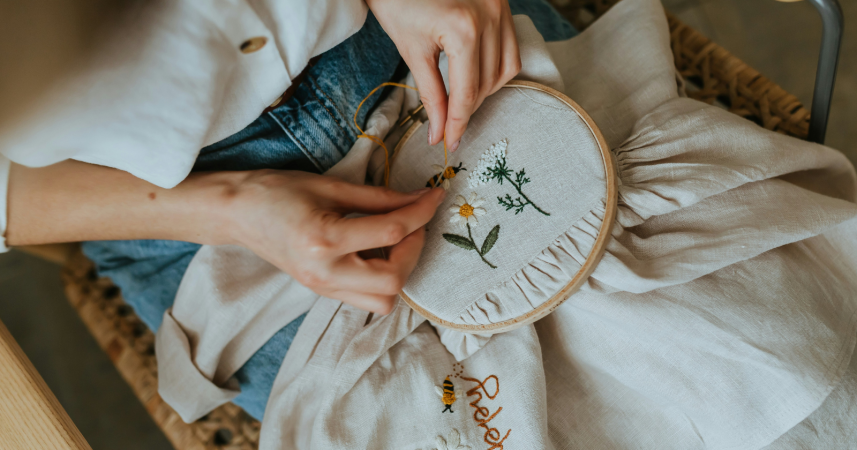
Whether it's woodworking, pottery, knitting, brewing kombucha, or building elaborate vegan desserts, making physical things becomes weirdly important after thirty.
I started brewing kombucha during the pandemic like a cliché, but I kept doing it because there's something satisfying about transforming simple ingredients into something complex and alive.
In a world where most work is digital and abstract, creating something you can actually touch grounds you. You can see the results of your effort immediately. There's no waiting for approval from ten different stakeholders.
It's also permission to be bad at something. To be a beginner again. To fail in low-stakes ways that don't affect your career or relationships.
When you're younger, you often feel pressure to only do things you're already good at. After thirty, you realize that sucking at something new is actually kind of liberating.
The process matters more than the product. The kombucha tastes weird sometimes, but the act of making it is the point.
Conclusion
None of these hobbies are revolutionary on their own.
But collectively, they reveal something about how you're approaching life. You're choosing presence over performance. Process over product. Growth over stagnation.
You're investing in things that won't show up on a resume but will absolutely show up in the quality of your daily experience.
That's not just doing life well. That's doing life with intention, curiosity, and a willingness to keep evolving.
Which, honestly, is better than most people manage at any age.
What’s Your Plant-Powered Archetype?
Ever wonder what your everyday habits say about your deeper purpose—and how they ripple out to impact the planet?
This 90-second quiz reveals the plant-powered role you’re here to play, and the tiny shift that makes it even more powerful.
12 fun questions. Instant results. Surprisingly accurate.