Want a younger brain? Pick two joyful pastimes and stack tiny streaks until they stick.
I don’t buy into miracle anti-aging hacks.
What I do believe in is keeping a few joyful, repeatable pastimes that quietly protect your brain, your mood, and your body year after year.
Below are nine that I’ve seen make a real difference—in my life, in friends’ lives, and in the research.
Pick one or two to start. Make them yours. Then keep going.
1. Walking
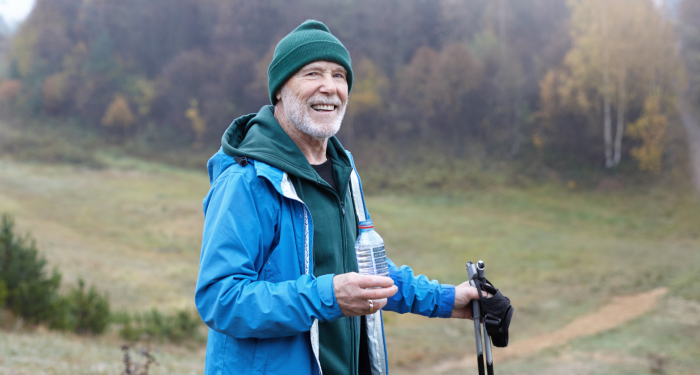
When I feel stuck, I walk. Not a heroic “10,000 steps or bust” march—just 20–40 minutes most days at a conversational pace.
Walking is rhythmic stress relief. It lowers mental noise, improves sleep quality, and keeps your cardiovascular system humming.
That matters because brain health rides on blood flow; better circulation supports memory, attention, and mood regulation. On tough writing days, I’ve solved more problems on sidewalks than in front of screens.
If you’re starting from zero, try a “coffee walk”: lace up, put a podcast on, and loop the block while your coffee cools. It’s shockingly sustainable.
2. Strength training
I resisted this for years. Big mistake.
Two short resistance sessions a week—bodyweight, bands, or dumbbells—do more than add muscle. They stabilize joints, improve insulin sensitivity, and protect bone density. Strong legs, core, and grip also keep you independent.
As the National Institute on Aging puts it, “Being physically active can help you continue to do the things you enjoy and stay independent as you age.”
Pro tip: pair a tiny habit (e.g., making tea) with a micro-set (e.g., 10 squats while the kettle boils). Consistency beats heroics.
3. Tai chi
Balance isn’t glamorous until you trip on a curb. Practices like tai chi train posture, coordination, and calm attention all at once.
The slow shifting of weight is sneaky strength work; the breath focus is moving meditation.
I learned a short Yang routine in a community class while traveling in Taipei; my hips and lower back thanked me for weeks. Even five minutes of “cloud hands” between meetings can reset a frazzled nervous system.
Over time, better balance means fewer falls and more confidence to keep doing what you love.
4. Dancing
Dancing combines three aging superpowers: aerobic movement, motor learning, and social fun.
That trio is hard to beat for brain health. The choreography challenges working memory and coordination; the music nudges mood up; the people keep you showing up.
I’m no pro, but a friend dragged me to a beginner salsa night, and I left grinning, drenched, and mentally lighter. If clubs aren’t your thing, try a YouTube class at home.
The secret isn’t perfection—it’s smiling while you sweat.
5. Language learning
Neuroscientists love novelty. Learning a language gives you endless novelty in bite-sized reps: new sounds, new word order, new jokes.
It’s an elegant way to tax working memory, attention switching, and auditory processing—skills that tend to dull with age if we never challenge them.
I keep a streak on a language app, then “pressure test” it by ordering food or chatting briefly with a native speaker.
If languages aren’t your jam, the principle still stands: learn complex skills that demand practice (birdwatching, chess, coding, piano).
Your brain grows by doing hard, meaningful things.
6. Reading
Books are low-cost time machines for your brain.
They slow you down, deepen focus, and expose you to new mental models. There’s also intriguing evidence they may add literal years to life.
As reported by Harvard Health, “the benefits of reading books may include a longer life.”
The summary points to a Yale analysis showing book readers lived longer than non-readers over a 12-year follow-up.
My only rule: read what actually pulls you in. Literary, sci-fi, memoir—whatever keeps you turning pages and forgetting to check your phone.
7. Creative crafts
Knitting, sketching, woodworking, beat-making, gardening journals—crafts move your hands while they quiet your mind.
They encourage flow: that absorbed, time-warping state linked to lower stress and greater life satisfaction.
This isn’t just vibes. As the American Psychiatric Association notes, simply engaging in creative activities can boost mental health and help many people manage stress or anxiety.
I’ll let them say it: “Engaging in creative activities can boost your mental health.”
When I’m noodling with a melody line or editing a photo, my worries shrink to the size of the next choice. That reset carries into the rest of my day.
8. Gardening
Gardening is the stealth pastime of healthy aging. It nudges you to squat, reach, and lift; it gets you outside (vitamin D, daylight circadian cues); and it’s strangely meditative.
The delayed gratification of tending plants also trains patience and long-term thinking—excellent counterweights to modern life.
You don’t need a yard. I started with a balcony herb box. Watering basil after lunch became a five-minute ritual that pulled me off my chair and into the weather.
The bonus: fresh flavors that made my plant-forward dinners less boring.
9. Volunteering
If there’s a cheat code to aging well, it might be prosocial behavior.
Volunteering supplies purpose, connection, structure, and a reason to get out the door. Those ingredients are strongly tied to both mental and physical health.
A major meta-analysis led by Julianne Holt-Lunstad found that “the influence of social relationships on the risk of death [is] comparable with well-established risk factors.”
In plain English: connection isn’t a nice-to-have; it’s protective. Join a food bank shift, mentor online, or help at a community garden and you’ll get more than you give.
How to keep them (without turning your life upside down)
-
Anchor to routines. Attach the pastime to something you already do: walk after lunch, read before bed, lift while the coffee brews, water plants after emails.
-
Shrink the unit. Ten pages, one song, one set, one new phrase. Small wins make tomorrow easier.
-
Measure streaks, not outcomes. Days in a row beats pounds lifted or pages finished at first.
-
Mix social into solo. Add a class, club, or buddy. We’re more consistent when someone expects us.
-
Stack joy on top. Make the thing delightful—good playlist, favorite trail, cozy chair, the “nice” pens.
I’ve mentioned this before, but the goal isn’t to become a monk of self-improvement. It’s to build a life you actually want to wake up to—one that quietly bends the aging curve in your favor.
The bottom line
You don’t need a new identity to age well. You need pastimes that you keep.
Walk. Lift. Flow. Learn. Read. Tend. Connect.
Do them because they make today better. The long-term benefits are the bonus.