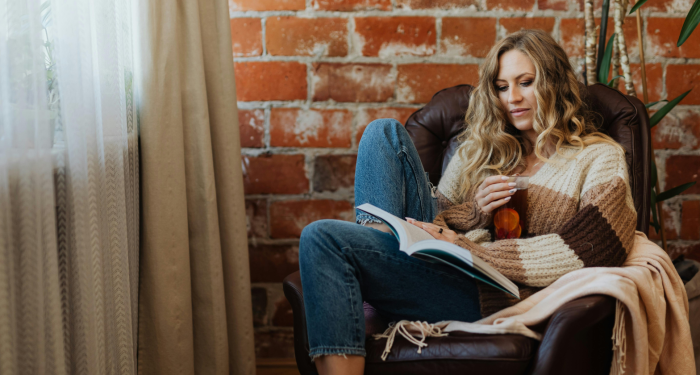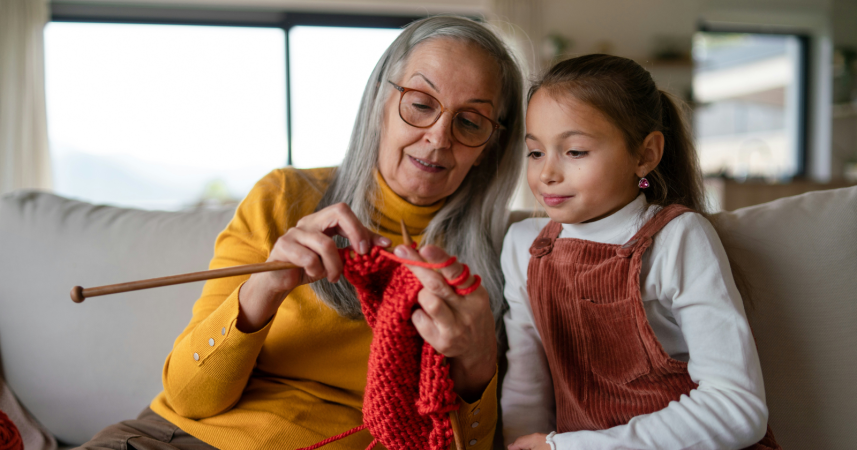
Gen Z, the generation raised on smartphones and TikTok, is quietly turning to activities their grandparents have been doing for decades with unexpected enthusiasm.
There's something happening that nobody saw coming.
Gen Z, the generation raised on smartphones and TikTok, is quietly turning to activities their grandparents have been doing for decades.
I've noticed it everywhere. At the farmers market last weekend, I watched a 22-year-old explain sourdough starter maintenance to their friend with the same enthusiasm someone my age might discuss a new app. And it got me thinking about all the supposedly "outdated" hobbies making a serious comeback.
Let's explore what's driving this unexpected trend.
1. Birdwatching
When was the last time you actually looked up?
I started noticing birds during lockdown. At first, it was just something to do. But then I downloaded Merlin (Cornell's bird identification app), and suddenly I was that person stopping mid-walk to identify a song sparrow.
What makes birdwatching appealing to Gen Z? It's mindful without being preachy. It gets you outside. And there's a collecting aspect to it, checking off species you've spotted, that scratches the same itch as any other achievement-based hobby.
Plus, you can share your finds on social media. Rare bird sightings go viral now. Who would have predicted that?
2. Vinyl record collecting
Remember when everyone said physical media was dead?
The vinyl revival isn't just about sound quality. Yes, audiophiles will tell you about warmth and depth, but that's not why my 24-year-old neighbor has fifty records stacked by his turntable.
It's about the ritual. Pulling a record from its sleeve, placing it on the turntable, and actually sitting down to listen feels radical in an age of algorithm-generated playlists. You commit to an album. You experience it as the artist intended.
Gen Z also appreciates the tangible aspect. You can't really "own" a Spotify playlist. But a record? That's yours. You can hold it, display it, and it won't disappear if a streaming service loses licensing rights.
I've mentioned this before, but our relationship with ownership has shifted dramatically. Sometimes having something physical grounds us in ways digital content never can.
3. Gardening and growing vegetables
Picture this: You're scrolling through Instagram and see someone your age posting about their tomato harvest like it's a major life achievement.
That's where we are now.
Gardening used to be something you did when you retired and had time. Now? It's become a statement about sustainability, food security, and mental health all rolled into one hobby.
The appeal is obvious once you think about it. You plant something, care for it, and get actual food. In a world where everything feels abstract and digital, growing your own lettuce feels incredibly real.
As shown by surveys, 18 million Americans tried gardening for the first time in 2020, with younger demographics making up a significant portion.
There's also something deeply satisfying about being less dependent on systems that feel increasingly fragile. Climate anxiety is real. Growing even a small portion of your own food provides a sense of control.
4. Knitting and crocheting
I'll admit I was skeptical about this one.
Then I watched my friend, a software engineer who lives and breathes technology, spend an entire evening crocheting a blanket while we watched movies. She explained that after staring at screens all day, using her hands to make something tangible felt essential.
Knitting and crocheting offer what digital work doesn't: a clear beginning, middle, and end. You start with yarn and finish with a scarf. Simple. Visible. Complete.
The mental health benefits are backed by research too. Studies have shown that repetitive motions like knitting can reduce stress and anxiety. It's meditation you can actually see results from.
Plus, let's talk about the economics. Fast fashion is out. Making your own clothes, or at least understanding how much work goes into creating a garment, changes how you think about consumption.
5. Woodworking and furniture restoration
Are you the type who scrolls through vintage furniture listings at midnight?
You're not alone.
Woodworking combines several things Gen Z cares about: sustainability, uniqueness, and skill development. Instead of buying mass-produced furniture that falls apart in two years, people are learning to build or restore pieces that last.
I recently visited a makerspace in Oakland where half the people learning woodworking were under 30. They were fixing up old dressers, building shelves, and creating custom pieces. The instructor told me he'd never seen this much interest from younger people before.
There's pride in making something with your hands. When you build your own bookshelf, you know exactly how it's constructed. You understand its quality. And when someone compliments it, you can say "I made that" instead of "I got it on Amazon."
6. Film photography
Why would anyone choose film when phone cameras keep getting better?
The answer surprised me when I started shooting film last year. It's not about better images. It's about a different process.
With digital, you take hundreds of photos and delete most of them. With film, you have 36 shots. You think before you click. You compose carefully. You wait for the right moment.
Then you have to wait again while the film develops. That anticipation is part of the experience. You can't instantly share what you shot. You have to sit with it.
Gen Z appreciates this slowness. Everything in their lives is instant, so choosing something deliberately slow feels like an act of rebellion. Film photography forces you to be present and intentional.
Plus, there's something special about physical photographs. You can hold them. Put them in albums. They exist outside your phone's memory.
7. Letter writing and pen pals
When was the last time you received a handwritten letter?
Letter writing is experiencing a genuine renaissance. Not emails. Not texts. Actual handwritten letters sent through the mail.
I started corresponding with a friend who moved across the country, and we decided to write letters instead of constant texting. The first letter I received felt weirdly significant. Someone took time to sit down, think about what they wanted to say, and physically write it out for me.
Letters demand different communication. You can't fire off a quick reaction. You have to think through what you want to express. There's permanence to it.
The popularity of stationery shops and fountain pen communities among younger people tells the story. These aren't just novelties. People are genuinely connecting through written correspondence in ways that feel more meaningful than digital messages.
There's also the element of surprise. Getting a letter in your mailbox, surrounded by bills and junk mail, brightens your day in a way a text notification never could.
8. Jigsaw puzzles
Puzzles seem almost absurdly simple compared to modern entertainment. No screens. No interaction. Just cardboard pieces and patience.
Yet puzzle sales have exploded.
What's the appeal? Puzzles offer clear progress. Each piece you place is visible achievement. There's no ambiguity about whether you're making progress. The picture gradually emerges.
They're also social without being demanding. You can work on a puzzle while talking with friends or family. It gives your hands something to do, which can actually make conversation easier and more natural.
And when you finish? You've completed something. In a world where most tasks feel endless, finishing a 1000-piece puzzle provides genuine satisfaction. Then you can break it apart and start over, or frame it if you're particularly proud.
The bottom line
That wraps things up.
These hobbies aren't making a comeback because they're trendy or ironic. They're resonating because they offer something modern life lacks: tangibility, slowness, and completion.
Gen Z isn't secretly obsessed with boomer hobbies in spite of growing up digital. They're drawn to these activities because they grew up digital. After a lifetime of screens and instant gratification, activities that require patience and produce physical results feel revolutionary.
Do you relate to any of these hobbies? Are you drawn to activities your grandparents enjoyed?
If so, lean into it. There's wisdom in activities that have survived generations. They clearly fulfill something fundamental that technology hasn't replaced.
And if you haven't tried any of these yet, maybe pick one. You might surprise yourself.
If You Were a Healing Herb, Which Would You Be?
Each herb holds a unique kind of magic — soothing, awakening, grounding, or clarifying.
This 9-question quiz reveals the healing plant that mirrors your energy right now and what it says about your natural rhythm.
✨ Instant results. Deeply insightful.

Jordan Cooper
Jordan Cooper is a pop-culture writer and vegan-snack reviewer with roots in music blogging. Known for approachable, insightful prose, Jordan connects modern trends—from K-pop choreography to kombucha fermentation—with thoughtful food commentary. In his downtime, he enjoys photography, experimenting with fermentation recipes, and discovering new indie music playlists.
More Articles by Jordan