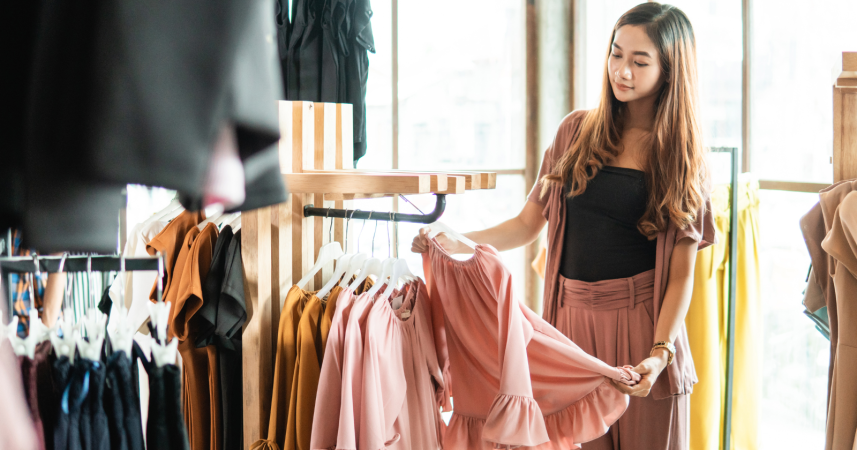
Years on the sales floor teach you to read people quickly. These 9 shopping behaviors quietly reveal who grew up middle class and who came from a more polished upper-middle-class background.

Add VegOut to your Google News feed. 
Retail is one of the fastest ways to study human behavior up close.
You see people stressed, excited, bored, confident, insecure, generous, and defensive all within the same hour.
I worked everywhere from big-box stores like Target to higher-end environments like Nordstrom. Same country. Same economy. Very different habits.
Over time, patterns started to show up. Not about taste or intelligence. But about comfort, mindset, and how people relate to money.
Here are nine shopping behaviors I kept noticing and what they quietly reveal about class background.
1) How long someone lingers before buying
At Target, a lot of shoppers circled.
They picked something up, put it down, checked the price twice, and sometimes walked away only to come back later. The decision itself seemed heavy.
At Nordstrom, many customers moved faster. They touched the fabric, asked one or two questions, and decided. Not impulsive. Just decisive.
This is not about recklessness. It is about what psychologists call cognitive load. When money has historically required careful monitoring, every purchase demands mental energy.
When money has usually been sufficient, the brain treats buying as a smaller decision. Less friction. Less emotional weight.
2) Relationship with sales and discounts
Middle-class shoppers often hunted for deals. They asked when the next sale was. They signed up for rewards programs on the spot. They felt good walking away with a discount.
Upper-middle-class shoppers noticed sales but did not center their decisions around them. If something fit well and solved a need, they bought it whether it was marked down or not.
I do not say this as judgment. It is strategy shaped by experience.
If you have learned that saving ten dollars matters, you optimize for it. If you have learned that time and fit matter more, you optimize differently.
3) Comfort asking for help
This one surprised me early on.
At Target, many customers tried to figure things out themselves. They wandered aisles, checked their phones, or hesitated before asking questions.
At Nordstrom, customers asked immediately. Sometimes confidently. Sometimes casually. Sometimes with the assumption that help was part of the experience.
That confidence is not arrogance. It is familiarity.
People raised around service-based environments often internalize the idea that assistance is normal and expected. People raised without that exposure often feel they are imposing.
4) Willingness to return items
Returns tell a story.
Middle-class shoppers often apologized when returning something. They over-explained. They worried about being judged or rejected.
Upper-middle-class shoppers treated returns as procedural. No apology. No story. Just facts. “I tried it. It did not work.”
That difference reflects something deeper than policy knowledge. It reflects entitlement in the neutral sense of the word. A belief that systems exist to serve you and can be navigated without shame.
5) Focus on price versus focus on longevity
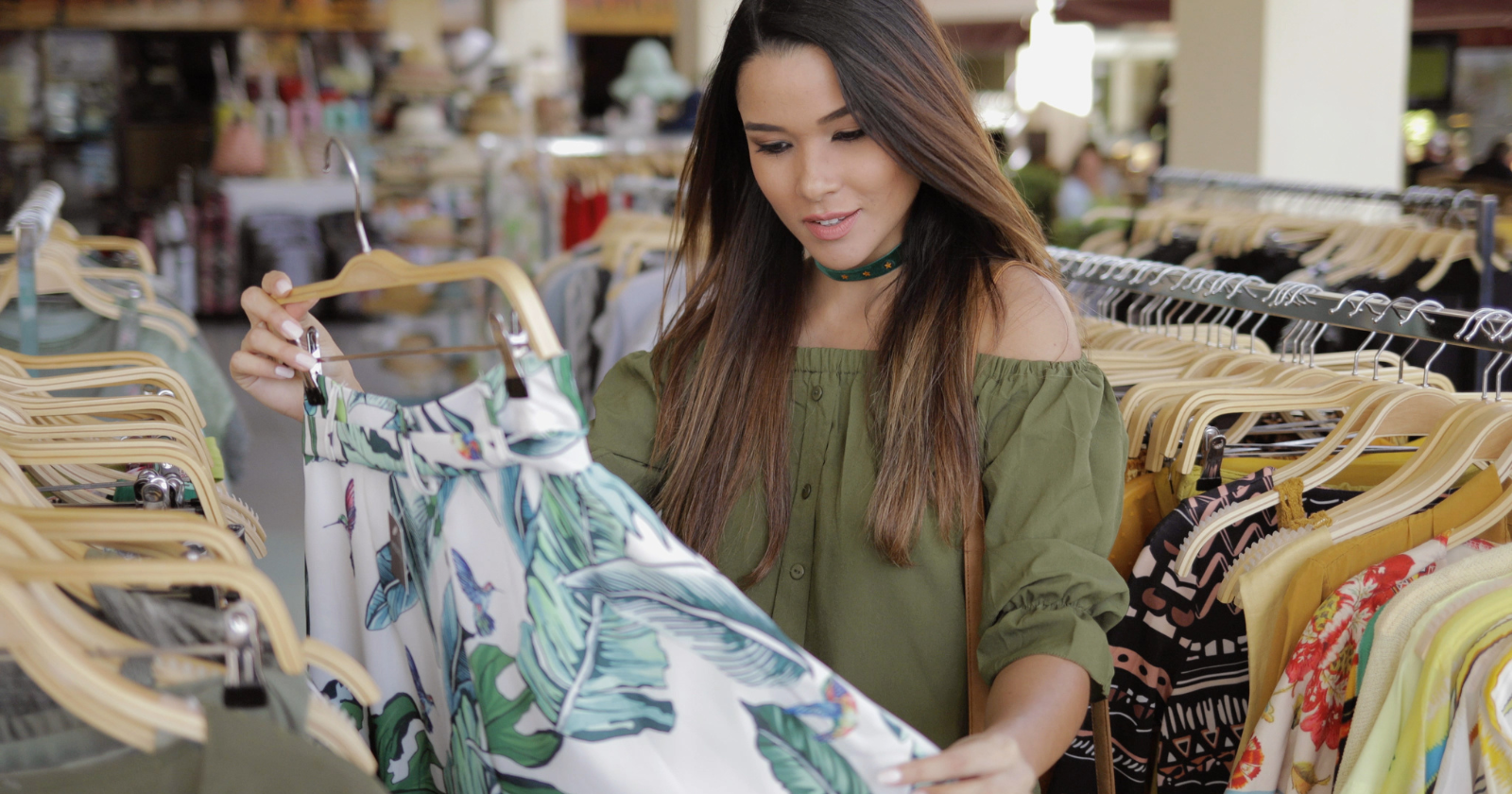
At lower-priced stores, conversations centered on cost.
- “Is this cheaper anywhere else?”
- “How long is this on sale?”
- “Is there a version that costs less?”
At higher-end stores, conversations shifted toward longevity.
- “How long does this last?”
- “Can it be repaired?”
- “Is this still in style next year?”
One mindset optimizes for surviving the present. The other optimizes for reducing future decisions.
Neither is wrong. They are responses to different financial realities.
6) Emotional reaction to small price differences
I remember customers visibly stressed over a five-dollar difference.
Not performatively. Genuinely.
At Target, five dollars could change a decision. At Nordstrom, it rarely did unless it crossed a psychological threshold.
Behavioral science calls this relative value perception. When margins are tight, small changes matter more because they accumulate.
When margins are wide, the brain rounds numbers emotionally. Precision gives way to convenience.
7) How people talk about brands
Middle-class shoppers often framed brands defensively.
- “I know it is expensive, but…”
- “I usually do not buy things like this…”
- “I am treating myself.”
Upper-middle-class shoppers talked about brands descriptively.
- “This brand fits me better.”
- “I like how this one holds up.”
- “I have had good luck with their sizing.”
One group narrates justification. The other narrates preference.
That difference often traces back to whether buying something nice feels like a deviation or a continuation.
8) Response to quiet luxury
Nordstrom taught me something important.
Some shoppers loved subtle, unbranded items. They recognized quality without needing a logo.
Others skipped right past them.
Middle-class shoppers were more likely to want visible value. Something that looked like it cost what it cost.
Upper-middle-class shoppers often preferred understated pieces that blended in unless you knew what to look for.
This lines up with sociological research on status signaling. When status is secure, signaling becomes quieter.
9) How shoppers leave the store
This sounds small, but it stuck with me.
Middle-class shoppers often left quickly. Bag in hand. Mission complete. Sometimes relieved.
Upper-middle-class shoppers lingered. They chatted. They browsed one more section. They asked about future arrivals.
One exit feels like crossing something off a list.
The other feels like concluding an experience.
I have mentioned this before, but many daily behaviors come down to whether life feels like a series of problems to solve or environments to move through.
Shopping is one of the clearest places that difference shows up.
The bottom line
Retail taught me more about class psychology than any textbook ever did.
Not because one group is better. But because background quietly trains your nervous system around money, time, and choice.
If you recognized yourself in more than one category, that is normal. Most of us carry mixed patterns.
The real takeaway is not how you shop. It is noticing why you shop the way you do.
And once you see that, you start making decisions with a little more awareness and a lot less judgment.
If You Were a Healing Herb, Which Would You Be?
Each herb holds a unique kind of magic — soothing, awakening, grounding, or clarifying.
This 9-question quiz reveals the healing plant that mirrors your energy right now and what it says about your natural rhythm.
✨ Instant results. Deeply insightful.

Jordan Cooper
Jordan Cooper is a pop-culture writer and vegan-snack reviewer with roots in music blogging. Known for approachable, insightful prose, Jordan connects modern trends—from K-pop choreography to kombucha fermentation—with thoughtful food commentary. In his downtime, he enjoys photography, experimenting with fermentation recipes, and discovering new indie music playlists.
More Articles by Jordan