Most people think wealth starts with income, but it actually begins with the tiny, invisible decisions you make every time you shop.

Add VegOut to your Google News feed. 
Walk into any supermarket, and you can usually spot the difference between someone who’s shopping for convenience and someone who’s shopping for strategy.
I’m not talking about snobbery here. I’m talking about mindset.
Because while middle-class families often buy based on habit or emotion, upper-class households tend to approach shopping, especially for essentials and lifestyle goods, as a long-term system.
The truth is, most people were never taught to think about spending beyond the short term. We’re conditioned to see consumption as comfort, not strategy. But the wealthier approach shopping differently. It’s less about price tags and more about psychology, structure, and time.
Here are eight shopping habits that middle-class people consider normal, but upper-class families quietly avoid.
Let’s get into it.
1) Buying things on sale just because they’re on sale
We’ve all done it. You walk into Target for toothpaste and somehow leave with a discounted throw blanket, a candle, and a shirt you didn’t know you needed.
Middle-class shoppers often justify purchases by saying, “It was on sale.” But that logic usually costs more over time than it saves.
Upper-class families don’t chase deals; they chase value. They’ll buy something full-price if it fits a real need, has longevity, or aligns with their standards. They see discounts as marketing, not opportunities.
Psychologists call this the anchoring effect. It’s when your brain fixates on a “reference price” (say, $100) and feels rewarded when the sale drops it to $60, even if you never wanted it in the first place.
I used to fall into that trap constantly when I started earning a bit more money. It felt responsible to “save.” But looking back, I realize I wasn’t saving, I was spending emotionally and calling it logic.
The upper-class mindset avoids that trap entirely by buying intentionally, not impulsively.
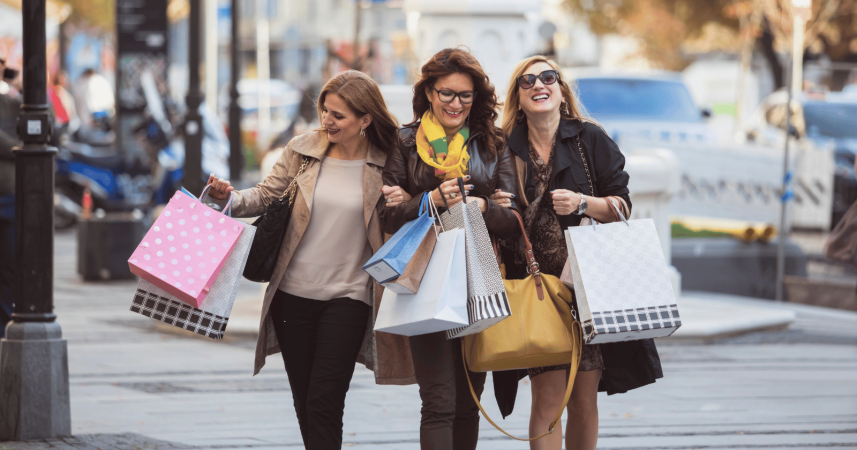
2) Treating shopping as a form of entertainment
For a lot of people, shopping is a hobby. It’s a way to unwind, stroll through aisles, grab a latte, and maybe “reward” yourself after a long week.
But when shopping becomes recreation, overspending becomes routine.
Upper-class households rarely see shopping as entertainment. They outsource it, automate it, or delegate it. Grocery delivery, personal shoppers, subscriptions, they minimize time spent consuming so they can focus on producing or experiencing.
And it’s not just about convenience. It’s about energy management. Decision fatigue is real, and spending an afternoon making small choices, what brand, what size, which scent—burns mental energy that could be spent on work, creativity, or rest.
I’ve noticed this during my travels too. In more affluent areas, you’ll find fewer people “just browsing.” They walk in, get what they need, and leave. There’s a quiet efficiency to it.
The takeaway? Shopping for fun is one of the most normalized middle-class indulgences and one of the least financially rewarding.
3) Buying trendy brands instead of timeless quality
Here’s something I learned the hard way in my twenties: buying trendy stuff feels good until you realize how fast it ages.
Middle-class consumers are often marketed trends because the system depends on turnover. New season, new product, new dopamine hit.
Upper-class families play a different game. They buy fewer things, but they buy things that last.
Instead of seasonal fashion, they invest in timeless design. Instead of flashy tech, they look for performance and reliability.
It’s not about showing off; it’s about not needing to constantly replace or upgrade.
A designer coat that lasts ten years ends up cheaper per wear than a fast-fashion jacket that falls apart in two winters. It’s the same with furniture, cookware, and even tech gear.
I once stayed with a friend whose parents had the same high-end blender for fifteen years. It looked brand new. Meanwhile, I was on my third cheap one in five years. That’s when it hit me: buying cheap was costing me more.
4) Shopping without comparing the long-term cost of ownership
Most people compare sticker prices. The wealthy compare total cost of ownership.
Let me explain.
When a middle-class shopper buys something, they often think: “Can I afford this today?”
An upper-class family thinks: “What will this cost me over five years?”
They factor in repairs, maintenance, energy use, and even resale value. A cheaper appliance that breaks in two years isn’t a deal. A pricier one that lasts ten is.
This same logic applies to cars, clothes, and even vacations. Wealthier families plan for what’s sustainable, not just what’s affordable today.
It’s a subtle but powerful mindset shift, from short-term affordability to long-term efficiency.
And that shift creates compound benefits. When you don’t have to constantly rebuy, you free up both money and mental space.
5) Equating full carts with productivity
Ever left a store with a full cart and felt a strange sense of accomplishment? Like you “did something” today?
That’s not productivity. That’s a dopamine trick.
Middle-class shopping culture often confuses consumption with progress. More stuff equals more stability, or so it feels.
Upper-class families tend to reject that logic. Their homes are often minimalist, their purchases calculated, and their spaces intentionally underfilled.
They see clutter as inefficiency. Every object needs a reason to exist.
This doesn’t mean they’re frugal to the point of austerity. It means they understand that peace and order come from owning less but better.
I see this when I photograph homes for side projects. The wealthiest homes often have less “stuff,” but every item feels curated and functional. It’s not about showing restraint; it’s about clarity.
When your surroundings aren’t filled with random purchases, your mind feels lighter too.
6) Ignoring time as a cost
Here’s a behavioral economics truth: time is the ultimate currency.
Middle-class shoppers will drive across town to save $10. Upper-class families will pay a delivery fee to save an hour.
That difference compounds.
When you trade your time for small discounts or extra errands, you’re not just spending hours—you’re trading creative energy, focus, and potential income.
Upper-class people often understand this instinctively. They delegate tasks that drain time but don’t add value.
It’s not laziness, it’s prioritization.
They ask, “Is this the best use of my time?” not “Can I get this cheaper?”
The average person often underestimates the opportunity cost of their time. Spending an hour chasing deals or comparing products might save $20, but it could cost $100 worth of focus or peace.
The wealthy tend to understand that time isn’t something you “spend.” It’s something you allocate.
7) Buying for identity instead of utility
We all buy things that reflect who we think we are or who we want to be.
But middle-class consumers are more vulnerable to what marketers call identity branding. Companies sell belonging, aspiration, or validation, often disguised as self-expression.
Think: luxury logos, influencer-endorsed gadgets, or “exclusive” products that quietly shout, “I made it.”
Upper-class families don’t need to prove identity through consumption. They already have established tastes and values that guide what they buy.
A fascinating study from the Journal of Consumer Research found that when consumers feel economically secure, they’re less inclined to rely on brands to signal status and more likely to buy for function rather than recognition.
That’s why you’ll often see the truly wealthy in understated clothes, driving practical cars, or using basic household items that just work.
It’s a quiet confidence, one that comes from not needing external validation.
When purchases reflect genuine preference instead of image, consumption becomes calmer, more grounded, and far less wasteful.
8) Failing to plan purchases strategically
Most middle-class shoppers buy reactively, when something breaks, runs out, or goes on sale.
Upper-class families buy proactively. They plan major purchases in cycles, negotiate bulk rates, or leverage timing, like buying vehicles at the end of fiscal quarters when sales quotas drive discounts.
They think in terms of systems, not single transactions.
A good example: they’ll schedule home maintenance before peak season, plan travel around reward programs, or buy gifts throughout the year instead of in December panic mode.
They reduce decision fatigue by planning purchases in advance. This allows them to avoid emotional spending, inflated seasonal pricing, and unnecessary stress.
It’s not that they don’t spend, they just spend with foresight.
Planning also creates a sense of calm that’s often missing from middle-class spending habits. When money flows through systems instead of impulses, everything feels more stable.
And that stability, over time, is one of the quietest markers of wealth.
The bottom line
Middle-class spending often revolves around reaction, reward, and routine. Upper-class spending revolves around foresight, systems, and self-awareness.
The goal here isn’t to imitate the wealthy. It’s to think differently about the behaviors that shape your financial and emotional world.
If you start treating shopping as a strategy rather than a pastime, you’ll begin noticing subtle shifts. You’ll stop impulse buying. You’ll stop confusing busyness with progress. And you’ll start freeing both your money and your mental bandwidth.
Because wealth isn’t just about what’s in your account. It’s about the calm that comes from knowing your purchases serve you, not the other way around.
What’s Your Plant-Powered Archetype?
Ever wonder what your everyday habits say about your deeper purpose—and how they ripple out to impact the planet?
This 90-second quiz reveals the plant-powered role you’re here to play, and the tiny shift that makes it even more powerful.
12 fun questions. Instant results. Surprisingly accurate.