Everyone was chasing status, but no one noticed how strange their idea of “cool” would look a few decades later.

Add VegOut to your Google News feed. 
There was a time when “luxury” wasn’t about minimalism, experiences, or wellness retreats. It was about stuff, big, shiny, expensive stuff that looked good in a catalog and even better in your living room.
If you grew up in the 80s, you know exactly what I mean. The dream wasn’t a trip to Bali or a Michelin-star meal. It was having the kind of home setup that made your friends and neighbors stop in their tracks and say, “Whoa.”
Back then, status was measured in possessions. The bigger, flashier, and more high-tech something looked, the more impressive it was. Fast forward a few decades, and most of those once-coveted luxuries either sit forgotten in thrift stores or have been replaced by smaller, smarter, or simpler alternatives.
But it’s not just about technology changing. It’s about what we value. In the 80s, “luxury” meant having things. Today, it means having time, flexibility, and experiences. We’ve gone from collecting objects to collecting memories.
Let’s take a little walk down memory lane. Here are eight things everyone wanted in the 80s that no one really cares about anymore, and what their rise and fall say about how we’ve changed.
1) The massive entertainment center
You know the one. The kind that dominated an entire wall, holding a bulky TV, a VCR, a stereo, and a stack of VHS tapes. Bonus points if it had glass doors, gold trim, and a mirrored back panel that reflected every flicker of the screen.
In the 80s, it was the heart of the home, a proud display of modern living. Families would gather around to watch taped shows, play Nintendo, or host movie nights. The bigger your setup, the more successful you looked. It wasn’t just furniture, it was a statement.
If you had an entertainment center with halogen spotlights and space for your record player, you were basically living the suburban dream.
Now, our entire entertainment world fits in a pocket. Streaming replaced the VCR, Bluetooth replaced the stereo, and the idea of dedicating an entire wall to electronics feels unnecessary. Today’s “home luxury” is a minimalist setup with one sleek screen, or none at all because we’re watching from our phones in bed.
It’s wild how something once designed to impress now looks like clutter. The death of the entertainment center shows how we’ve gone from showing off what we own to valuing what feels light, simple, and easy to use.
2) The answering machine
There was something oddly satisfying about hearing that little beep. It said, “I’m important enough to miss calls.”
In the 80s, having an answering machine wasn’t just convenient, it was a status symbol. You were busy, you had a life, and people had to wait to talk to you. Plus, recording your outgoing message was practically an art form. Some people even added music intros or jokes.
And who could forget the moment you pressed play and heard, “You have... five new messages.” For a brief second, you felt connected to the world.
Now, no one leaves messages anymore. If you miss a call, you get a text, or more likely, a meme. The idea of sitting through voice recordings feels ancient, like rewinding a cassette. We crave instant replies, not delayed ones.
The answering machine belonged to a time when patience was built into communication. Today’s world runs on speed and convenience. Maybe that’s progress. Or maybe we’ve just forgotten what it was like to wait for someone’s voice instead of a typing bubble.
3) The formal dining room
Growing up, I used to think a house wasn’t complete without a formal dining room. My grandparents had one that felt sacred, no one dared enter except for holidays or “important guests.” It was spotless, silent, and slightly intimidating.
In the 80s, the formal dining room was a symbol of class. It wasn’t just about eating, it was about presentation. Matching china, crystal glasses, maybe a chandelier hanging over the center. It screamed elegance, even if the room sat unused most of the year.
Today, the concept feels outdated. We’ve swapped formality for flow. People want open kitchens, breakfast nooks, and long farmhouse tables where everyone can sit comfortably. The new luxury is space that feels lived in, not staged.
And honestly, it says a lot about us. We’ve moved from performance to authenticity. The dining room that once existed to impress now exists to connect. Luxury, it turns out, is laughter over linen napkins.
4) The waterbed
Ah, the legendary waterbed. Equal parts status symbol and disaster waiting to happen.
If you didn’t have one, you knew someone who did. And if you were a kid, you definitely begged to jump on it. It was fun, futuristic, and a little bit rebellious. The 80s marketed it as the ultimate mix of comfort and sex appeal, an innovation that made regular mattresses seem boring.
Then reality hit. They were heavy, hard to move, and prone to leaks. If your heater broke in winter, you were basically sleeping on a refrigerated wave. What started as a symbol of modern indulgence turned into one of the worst investments of the decade.
Today, we’re obsessed with ergonomic mattresses, adjustable frames, and memory foam that tracks your sleep patterns. The waterbed may have been a fun experiment, but comfort won out over coolness.
It’s a good reminder that not every innovation deserves to stay. Some are just meant to float by.
5) The hi-fi stereo system
Before Spotify playlists and Bluetooth speakers, every music lover’s dream was a towering hi-fi stereo system. You’d have a turntable, cassette deck, equalizer, amplifier, and speakers so massive they doubled as furniture.
Owning one wasn’t just about listening to music, it was an event. You’d carefully clean your records, adjust the bass, and sit in the “sweet spot” to experience perfect stereo sound. It was immersive, intentional, and a little bit magical.
Now, all that equipment fits into a pair of earbuds. We carry more music in our pockets than an 80s collector could fit in their entire home. Technology simplified the experience but also stripped away the ritual.
I sometimes miss that hands-on relationship with music, the act of choosing a record, placing the needle, and listening all the way through. There was a mindfulness to it that we rarely experience now. Maybe that’s why vinyl is making a comeback; it reconnects us with the physical joy of sound.
6) The crystal decanter set
No 80s home bar was complete without a cut-crystal decanter and matching tumblers. Even if you didn’t drink much, you displayed it proudly. It wasn’t about the whiskey, it was about the image.
The decanter symbolized refinement. It said you had taste, sophistication, and maybe even a yacht, or at least a cousin who did. Guests were impressed before you even poured a drop.
The funny thing? Most people let their spirits sit in those decanters so long that the flavor faded. It was all aesthetic, no substance.
Today, we care more about authenticity than optics. A good bottle of bourbon on a simple shelf says more about who you are than a glittering decanter ever could. The modern “luxury bar” is less about display and more about experience, craft cocktails, curated bottles, and good company.
We’ve traded glass and glamour for flavor and connection. And honestly, I’ll drink to that.
7) The home exercise machine
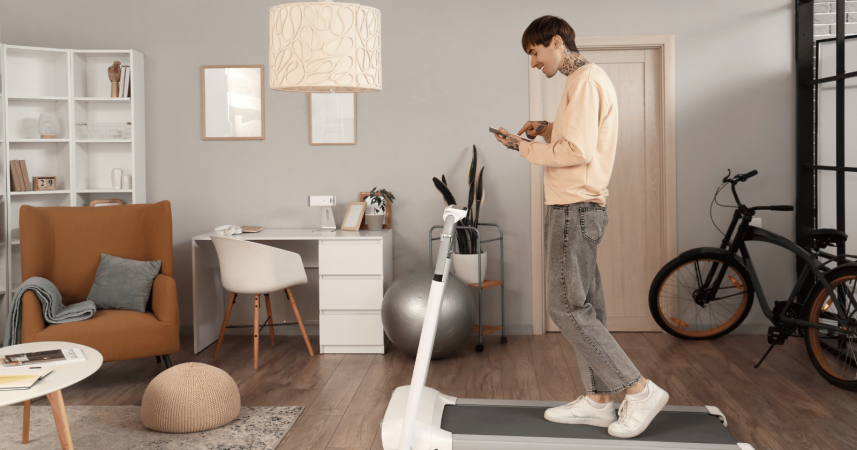
Before sleek Pelotons and compact smart gyms, the 80s gave us behemoths like Bowflex, NordicTrack, and ThighMaster. Everyone wanted one because it promised convenience and transformation, work out at home, get fit fast, look amazing.
In reality, most of those machines ended up collecting dust. The Bowflex turned into a clothes hanger. The treadmill became a glorified shelf. Fitness, it turns out, doesn’t come from owning equipment, it comes from using it.
Nowadays, the luxury isn’t about hardware but access. You can stream world-class workouts on your phone, track your heart rate on your wrist, and join communities that keep you accountable. It’s about flexibility, not ownership.
The lesson? You can’t buy discipline. And that’s one luxury no one in the 80s could package or sell.
8) The luxury car phone
Finally, let’s talk about the ultimate 80s power move, the car phone.
If you had one of these, you weren’t just successful, you were unstoppable. You could make calls from traffic, close deals between red lights, and look like someone who lived in the future. It was the very definition of executive cool.
And then came the 90s. Portable cell phones hit the scene, and overnight, the car phone became a fossil. Within a few years, it was as outdated as a pager.
It’s almost poetic how quickly something that symbolized modern progress turned into a punchline. It shows how luxury ages, the moment something becomes accessible, it stops being special.
In a world where everyone is connected, the true luxury might be disconnecting once in a while.
Final thoughts
The 80s were a golden age of material aspiration. Luxury meant ownership, and status was measured in square footage, brand names, and electronics that took up more space than they needed to.
Today, we measure wealth differently, not in objects, but in time, freedom, and peace of mind. We’ve learned that owning more doesn’t necessarily mean living better.
We’ve moved from “Look what I have” to “Look what I can do.” From collecting things to collecting moments. From showing off to showing up.
Still, there’s something charming about those 80s luxuries. They remind us of a simpler kind of ambition, one where we chased the dream with wide eyes and shiny catalogs. They were symbols of hope, success, and aspiration in a time when the future felt bigger than life.
So if you ever stumble across a waterbed ad or a dusty decanter set in a thrift store, smile. Those relics were once someone’s dream.
And maybe that’s the real luxury, to look back, laugh a little, and appreciate how far we’ve come.
What’s Your Plant-Powered Archetype?
Ever wonder what your everyday habits say about your deeper purpose—and how they ripple out to impact the planet?
This 90-second quiz reveals the plant-powered role you’re here to play, and the tiny shift that makes it even more powerful.
12 fun questions. Instant results. Surprisingly accurate.