The things we hold onto the longest aren’t always the newest—they’re the ones with a story already woven into them.

Add VegOut to your Google News feed. 
There’s a quiet satisfaction in buying something secondhand.
It’s not just about saving money—it’s about rewriting the rules of value. We’re told from the moment we can swipe a credit card that new is superior. Fresh packaging, flawless surfaces, zero scratches.
But the truth? Once you get over that marketing illusion, secondhand often holds more charm, more history, and in some cases, more quality than what’s being made today.
Over the past decade, I’ve noticed my habits shift. Certain items just don’t make sense to buy new anymore. Not because I’m against treating myself, but because “new” doesn’t always equal “better.”
Here are eight things I’ve cut from my new-buy list—things I now deliberately hunt for secondhand because they’re just as good, if not better.
1. Books
Do you really need crisp white pages and a stiff spine to enjoy a story?
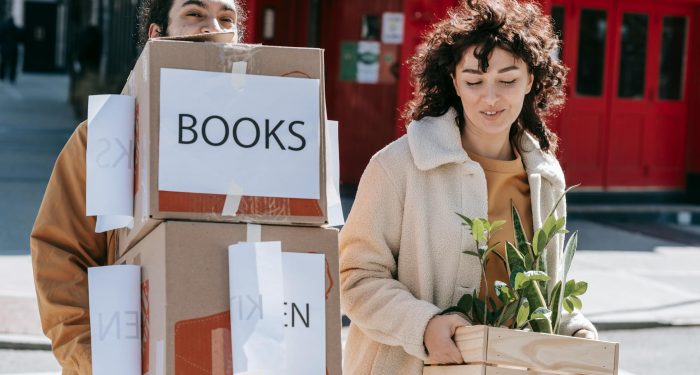
I used to think so. Stacks of fresh hardcovers felt like trophies, lined neatly on my shelves. But then I started visiting used bookstores more often. That’s where the magic shifted for me.
A slightly worn paperback tells its own story. A dog-eared page hints at where someone paused, maybe right before bed. A scribbled margin note adds a layer of conversation between readers across time. Sometimes, those underlines spark a completely new way of interpreting the text.
And here’s something psychologists call the endowment effect: we tend to overvalue things just because we own them. The funny thing is, that effect applies to used books, too. I’ve found myself treasuring a $3 thrifted copy of a novel more than the glossy $25 version I bought brand-new.
As Mihaly Csikszentmihalyi once said, “The best moments in our lives are not the passive, receptive, relaxing times. They are when we are fully engaged.” And engagement doesn’t depend on how fresh the ink is.
2. Vinyl records
Music fans will get this instantly: secondhand vinyl isn’t just a product, it’s an adventure.
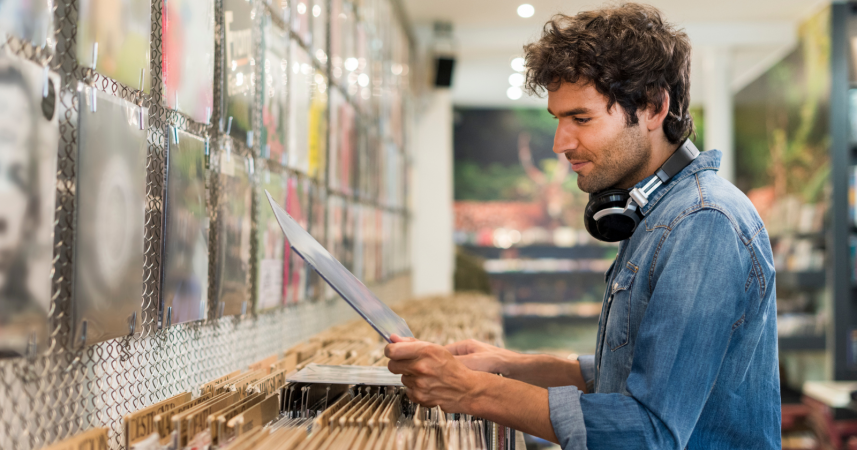
Sure, you can stream anything you want. You can even buy a new reissue of your favorite album. But flipping through crates at a record store? That’s where you stumble across a forgotten gem or an original pressing that never made it to Spotify.
I’ve picked up records that cost less than lunch and ended up becoming centerpieces of my collection. Sometimes they come with someone else’s initials on the sleeve.
Sometimes with a little wear that adds a soft crackle when the needle hits. Instead of ruining the experience, those imperfections add texture—an audible reminder that music is lived, not just consumed.
And here’s the kicker: many secondhand records are better pressed than modern reissues. In the analog era, sound quality was prioritized. As one collector told me, “Older records were made to be played, not just displayed.”
3. Cameras
Photography is one of my obsessions, and here’s the truth: buying cameras new rarely makes sense.
Manufacturers churn out new models every year, and the moment the next release hits, the “old” one loses value overnight. But does its ability to capture stunning shots actually change? Not at all.
Most of my best photos were taken with bodies two or three generations behind. And don’t even get me started on lenses—some of the sharpest, most beloved glass was made decades ago. Buy it secondhand, and you’re getting the same optics professionals used back then, often at a third of the price.
Traveling through Europe a few summers back, I purposely carried a used mirrorless body. Why? Less stress. If it got banged up or even stolen, it wasn’t a catastrophic loss. Ironically, that freedom made me more creative behind the lens.
4. Furniture
Ever notice how a lot of new furniture feels flimsy?
Mass-produced flat-pack stuff looks sleek on a website, but in person, it wobbles. Contrast that with a thrift-store dresser built fifty years ago. Solid wood. Drawers that glide without sticking. The kind of craftsmanship that’s practically extinct in the age of fast furniture.
I once scored a mid-century coffee table at a flea market. It needed a light sanding and some oil, but after an afternoon of work, it looked stunning. Here’s what I didn’t expect: the table has actually increased in value since then. Try saying that about your average particleboard TV stand.
There’s also a psychological piece here. When you restore something secondhand, you’re engaging in what behavioral scientists call effort justification. You value it more because you’ve invested energy in it. That little bit of sanding makes the piece uniquely yours.
5. Jackets
A good jacket only improves with time.
Think about it: denim softens and fades in ways no brand-new piece can replicate. Leather molds to your body, picking up a patina that screams individuality. These are not flaws—they’re character.
I remember walking through Tokyo’s Shimokitazawa neighborhood, where vintage stores line the streets. The most popular items? Worn-in jackets. Young people weren’t chasing “new.” They were chasing story.
When I wear my secondhand leather jacket, I don’t feel like it’s outdated. I feel like I’m carrying a little history with me. And I don’t worry about scuffs or scratches—they only add to the aesthetic.
6. Kitchenware
This one surprised me the most: secondhand kitchen gear is often superior.
Take cast iron pans. A brand-new skillet needs months of seasoning before it’s truly nonstick. A secondhand one? Already broken in. Someone else did the work. You just keep it going.
Or heavy-duty mixing bowls and utensils. Many secondhand ones were made in an era when durability was prioritized. A steel ladle from the 1970s will probably outlast three trendy bamboo sets from today.
And beyond practicality, there’s something grounding about cooking with tools that have fed people for decades. Meals carry history, and the tools you use matter.
As food writer Michael Pollan said, “Cooking, above all, connects us.” A secondhand pan connects you not just to the food, but to the people who stirred soups in it long before you.
7. Bikes
Here’s a category where secondhand makes obvious sense.
A new bike depreciates the second you ride it out of the shop. And the truth is, many people don’t ride as often as they expect. Their “barely used” bikes end up on resale sites, waiting for someone like you to snap them up.
That’s how I got my current road bike. A couple of scratches on the frame, sure—but mechanically flawless. I paid less than half of what it cost new, and after a quick tune-up, it rides smooth and fast.
There’s also a hidden perk: peace of mind. With a secondhand bike, you don’t baby it the way you might with a shiny new one. You ride it harder, lock it up without panic, and enjoy it more. That freedom? Worth more than any warranty.
8. Rugs
Rugs are tricky. They’re expensive, they dominate a room, and new ones often come with a strong synthetic smell that lingers for weeks.
Buying secondhand solves all of that. I’ve picked up beautiful wool rugs at estate sales and flea markets for a fraction of retail cost. After a good cleaning, they looked—and smelled—fantastic.
Designers often talk about how rugs “anchor” a room. And an older rug, with its softened fibers and subtle wear, adds a kind of warmth a brand-new one can’t. It’s not just decoration—it’s history under your feet.
One of my favorite finds was a handwoven Persian rug tucked away in a dusty corner of a local thrift shop. The kind of piece that would have cost thousands new. It’s now the centerpiece of my living room.
The bottom line
We live in a culture that worships “new.” Fresh packaging, flawless surfaces, and zero scratches are sold as the ultimate markers of value. But when you step outside that system, you realize how hollow it can be.
Books, vinyl, cameras, furniture, jackets, kitchenware, bikes, rugs—each of these things has taught me the same lesson: secondhand doesn’t mean second-rate. Often, it means smarter, richer, more sustainable.
Maybe it’s about value. Maybe it’s about sustainability. Or maybe it’s just about realizing that life’s best finds don’t always come shrink-wrapped.
Once you start looking secondhand, it’s hard to go back. And honestly? You won’t want to.