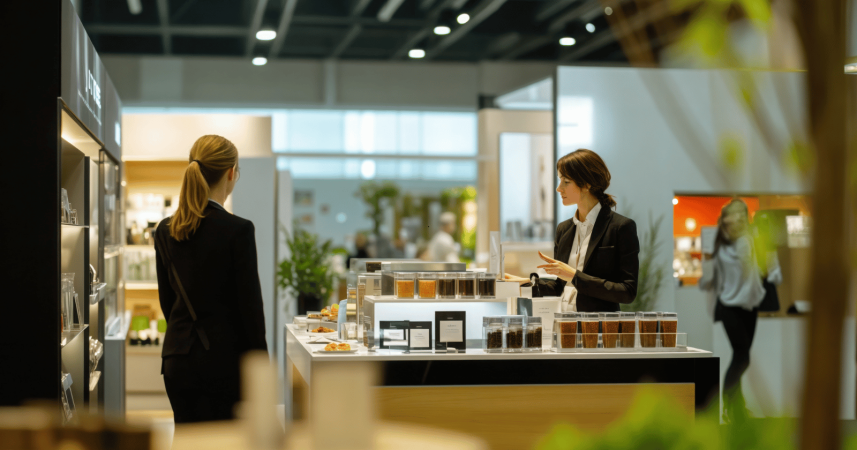
Sales associates develop an almost sixth sense for reading economic backgrounds, and certain shopping behaviors light up like neon signs on the luxury retail floor.

Add VegOut to your Google News feed. 
I spent years working in fine dining and luxury hospitality before transitioning to writing. During those years, I served ultra-wealthy families at high-end resorts and coordinated private dinners for people who thought nothing of dropping five figures on a meal. I learned a lot about real wealth versus performative wealth during that time.
These days, I find myself thinking about those distinctions when I'm out shopping. Designer outlets are fascinating social laboratories where economic backgrounds collide in interesting ways. Sales associates who work these floors develop an almost sixth sense for reading shoppers, and certain behaviors light up like neon signs.
I'm not here to shame anyone. We've all been there, wanting something nice but not quite knowing the unwritten rules of luxury retail. But understanding these patterns can help you shop more confidently and avoid the awkwardness that comes from standing out for the wrong reasons.
1) They ask about discounts before looking at the product
Walk into any designer outlet and you'll hear it within minutes. Someone picks up a bag, doesn't look at the craftsmanship or details, and immediately asks the sales associate what kind of additional discount they can get.
Sales associates notice this instantly because luxury shoppers approach things differently. They examine the product first. They feel the leather, check the stitching, ask about the provenance. The price conversation comes later, if at all.
I get it. You're at an outlet specifically for deals. But leading with price signals that you're shopping outside your comfort zone. It's the equivalent of ordering the second-cheapest wine on the menu because you think it makes you look sophisticated.
When I worked in hospitality, I learned that people who were truly comfortable with luxury never talked about cost first. They talked about quality, exclusivity, story. The price was just a detail to sort out later.
2) They over-explain why they're shopping at an outlet
Nobody asked, but they're telling the sales associate their whole financial situation anyway.
"I normally shop at the flagship store, but I'm just here because..." or "I usually wouldn't shop at outlets, but a friend told me..." These unprompted justifications are dead giveaways.
People who regularly shop luxury don't feel the need to explain themselves. They're comfortable in outlets, flagship stores, vintage shops, wherever. There's no shame in their game.
This behavior comes from insecurity. You're worried the sales associate is judging you for being in an outlet instead of the main store. But here's the thing: they genuinely don't care. They see everyone from billionaires to college students saving up for one special piece.
The explanation makes you memorable in a way you probably don't want to be.
3) They treat the store like a warehouse clearance
There's a difference between browsing enthusiastically and treating a designer boutique like a discount bin at a big-box store.
I've seen shoppers grab multiple items, toss them over their arm without looking, and dump half of them on random shelves when they lose interest. Or they rifle through carefully folded stacks, leaving chaos in their wake.
Sales associates notice this immediately because it shows a lack of familiarity with how luxury retail operates. Even at outlets, these brands maintain certain standards. The stores are curated, the displays are intentional.
Higher-end shoppers tend to browse more slowly. They ask for items to be brought to them. They respect the space because they understand it's not just about the transaction—it's about the experience.
When I was organizing high-profile dinners in Bangkok, I learned that how people treat staff and spaces says everything about them. The wealthiest clients were often the most respectful of our setup and our time.
4) They photograph price tags and products excessively
Taking a quick photo for reference is one thing. Pulling out your phone to photograph every single price tag, every angle of a bag, every detail to send to five different people for approval? That's something else entirely.
Sales associates pick up on this because it signals you're not making your own purchasing decisions. You need external validation for every choice.
Confident shoppers trust their own taste. They might snap one photo to remember something, but they're not conducting a full photo shoot in the store or sending real-time updates to their group chat.
This behavior also suggests you're not familiar with the brand or the product line. You don't know what's a good deal or what you actually like, so you need the internet's opinion before committing.
I remember working with wellness retreats as a consultant after I left hospitality. The clients who got the most out of the experience were the ones who made choices based on what felt right to them, not what would photograph well.
5) They name-drop aggressively
"I have three Chanel bags already," or "My other Gucci belt broke, that's why I'm here," or "I'm friends with someone who works at corporate."
Sales associates hear this constantly. It's the retail equivalent of telling everyone at a party that you went to Harvard. If you have to say it, it's probably not as impressive as you think.
People who genuinely own luxury goods don't announce it. They don't need to establish their credentials because they're comfortable with their relationship to these brands.
This name-dropping often backfires because experienced sales associates can usually tell real familiarity from pretense. Someone who actually owns multiple Chanel bags knows the product lines, understands the boutique service standards, and doesn't need to broadcast their loyalty.
It's like the difference between someone who grew up eating at Michelin-starred restaurants and someone who saved up for one special meal. The latter tells everyone about it. The former just orders naturally.
6) They handle products roughly or without care
Luxury goods are meant to be touched and examined, but there's a way to do it that shows respect for craftsmanship.
Lower-middle-class shoppers sometimes handle items like they would at a regular retail store—tugging on straps to test durability, bending leather to see if it creases, tossing shoes back in boxes carelessly. These aren't necessarily bad instincts, but they signal unfamiliarity with luxury standards.
Sales associates notice because people accustomed to high-end goods handle them almost reverently. They understand these items are investments. They examine stitching closely but gently. They ask questions about materials rather than stress-testing products on the floor.
I spent years training kitchen staff on how to handle expensive ingredients and equipment. The best cooks touched everything with intention and care, even when they were working fast. That respect for quality materials becomes second nature when you're around them constantly.
The same principle applies in luxury retail. How you physically interact with products reveals your familiarity with them.
7) They avoid eye contact and act defensive
Some shoppers enter designer outlets with their walls already up. They avoid engaging with sales associates, give short answers, and act like they're expecting to be judged or kicked out.
This defensive posture is immediately noticeable because people who shop luxury regularly are comfortable interacting with staff. They're friendly, they ask questions, they treat associates as knowledgeable resources rather than threats.
The defensiveness often comes from feeling like an imposter. You're worried you'll be exposed as not belonging in this space, so you create distance preemptively.
But here's what I learned from working in luxury hospitality: the staff genuinely wants you to have a good experience. They're not sizing you up to determine if you're worthy. They're trying to help you find what you want.
When I lived in Bangkok for three years, I initially felt out of place in certain markets and shops. But once I relaxed and engaged authentically with vendors, everything changed. They became friends, gave me insider tips, helped me navigate.
The same dynamic exists in retail. Your comfort level is contagious. If you're tense, the interaction will be tense.
8) They rush the decision and buying process
Finally, there's a particular urgency some shoppers bring to designer outlets. They grab items quickly, rush to checkout, and treat the whole experience like a mission to complete rather than enjoy.
Sales associates recognize this pattern because luxury shopping typically moves at a different pace. People take their time. They try things on multiple times. They sit with decisions. They understand that buying quality means being selective.
The rushed approach often stems from discomfort. You want to get in, get your designer item, and get out before you spend too much or feel out of place. It's shopping as transaction rather than experience.
But luxury retail is designed around the experience. Even at outlets, there's an expectation that you'll take your time, get properly fitted, ask questions, maybe grab a coffee while you think about it.
I remember working with clients who would spend three hours planning a single meal, tasting multiple wine pairings, discussing every detail. They weren't being difficult—they were savoring the process of getting it right. That mindset extends to how they shop for anything meaningful.
The bottom line
Look, none of these behaviors make you a bad person. We all start somewhere, and learning the unwritten rules of luxury retail takes time and exposure.
The real issue isn't about belonging or proving yourself worthy. It's about shopping confidently and getting the most out of the experience. When you're relaxed and genuine, sales associates are more helpful, you make better decisions, and the whole thing is more enjoyable.
I've been on both sides of luxury transactions. I've served people with more money than sense, and I've been the person saving up for something special. The biggest difference I've noticed isn't wealth—it's comfort.
Shop for what you genuinely want, treat the experience with the same respect you'd want for your own work, and engage authentically with people trying to help you. That's it. That's the whole game.
Everything else is just noise.
If You Were a Healing Herb, Which Would You Be?
Each herb holds a unique kind of magic — soothing, awakening, grounding, or clarifying.
This 9-question quiz reveals the healing plant that mirrors your energy right now and what it says about your natural rhythm.
✨ Instant results. Deeply insightful.

Adam Kelton
Adam Kelton is a writer and culinary professional with deep experience in luxury food and beverage. He began his career in fine-dining restaurants and boutique hotels, training under seasoned chefs and learning classical European technique, menu development, and service precision. He later managed small kitchen teams, coordinated wine programs, and designed seasonal tasting menus that balanced creativity with consistency.
After more than a decade in hospitality, Adam transitioned into private-chef work and food consulting. His clients have included executives, wellness retreats, and lifestyle brands looking to develop flavor-forward, plant-focused menus. He has also advised on recipe testing, product launches, and brand storytelling for food and beverage startups.
At VegOut, Adam brings this experience to his writing on personal development, entrepreneurship, relationships, and food culture. He connects lessons from the kitchen with principles of growth, discipline, and self-mastery.
Outside of work, Adam enjoys strength training, exploring food scenes around the world, and reading nonfiction about psychology, leadership, and creativity. He believes that excellence in cooking and in life comes from attention to detail, curiosity, and consistent practice.
More Articles by Adam