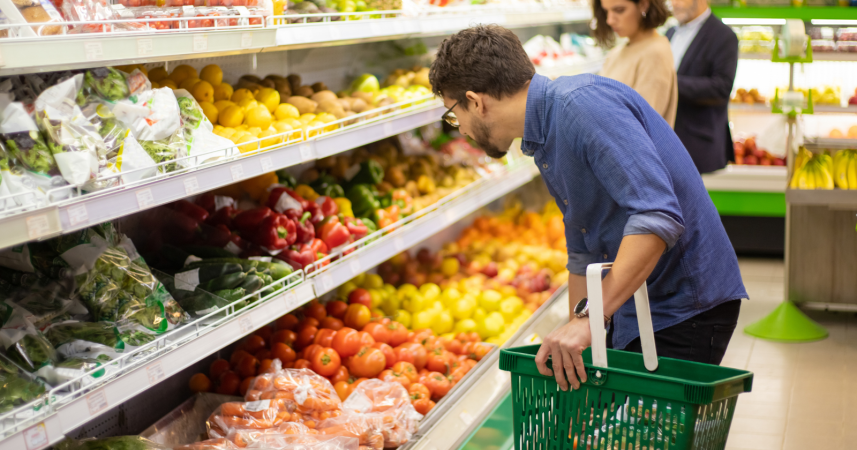
Your cart looks completely different now, and you barely noticed it happening.

Add VegOut to your Google News feed. 
Something funny happens around the one-year mark of eating plant-based. You walk into a grocery store and realize you're operating on autopilot in a completely different way than you used to.
The mental effort that once went into reading every label, hunting down alternatives, and second-guessing purchases has quietly evaporated.
It's not that shopping becomes boring. It's that your brain has rewired itself around new defaults. The store layout that once felt like a maze now has clear pathways.
Products you agonized over choosing have become old friends. And some aisles? You genuinely forget they exist. These shifts happen so gradually that most people don't notice them until someone points them out. So let's point them out.
Here are eight subtle ways your grocery shopping transforms after a year of plant-based eating, and why these small changes actually reveal something interesting about how habits form.
1. You stop reading ingredient lists on your regular items
Remember those first few months? Standing in the aisle, squinting at tiny print, googling whether carmine was vegan. Every shopping trip felt like a research project. You probably added twenty minutes to each visit just from label detective work.
Now? You grab your usual oat milk, your favorite veggie burger, your go-to pasta sauce without a second thought. Your brain has filed these products under "safe" and moved on. This is classic habit formation at work. Once a behavior becomes automatic, it requires almost zero cognitive effort. You've essentially outsourced the decision-making to your past self.
The mental bandwidth this frees up is significant. Shopping stops feeling like a chore and starts feeling like just another errand.
2. Your cart has way more color in it
Pull up a photo of your grocery haul from two years ago if you have one. Now compare it to what you're buying today. The difference in sheer color is probably striking. More greens, reds, oranges, and purples. Fewer beige boxes and brown packages.
This happens naturally when plants become the center of your plate instead of the side dish. You start gravitating toward produce sections first. You notice seasonal items you would have walked right past before. That weird purple cauliflower? Sure, why not try it.
It's not about being virtuous. It's about curiosity expanding once you remove old defaults. When chicken breast is no longer the automatic protein, you start exploring what else can anchor a meal. The answer often comes in colors you weren't expecting.
3. You've memorized which stores carry your specific weird items
Every plant-based person develops a mental map of their local grocery ecosystem. Trader Joe's for the cashew queso. The Asian market for fresh tofu and specialty mushrooms. Whole Foods for that one tempeh bacon you can't find anywhere else. Target, surprisingly, for affordable oat milk.
You've become a logistics expert without meaning to. You know which store has the best prices on nutritional yeast. You know that the co-op restocks jackfruit on Thursdays. This knowledge accumulates quietly until one day you realize you could write a guidebook.
This multi-store strategy might seem inefficient, but it actually becomes routine. You batch your trips. You know exactly what you're getting where. It's weirdly satisfying.
4. You barely register the meat and dairy sections anymore
Here's something wild: you might not be able to describe the current layout of your store's meat department. Not because you're avoiding it dramatically. You just have no reason to go there, so your brain stopped mapping it.
This is called attentional filtering. Your brain literally edits out irrelevant information to conserve energy. After a year, those sections have become background noise. You walk past them the same way you walk past the pet food aisle if you don't have pets.
Some people feel weird about this, like they should still be noticing. But it's actually a sign that plant-based eating has become your normal. Your brain is just being efficient.
5. You've developed strong opinions about produce quality
First-year vegans often buy whatever vegetables are available. Year-two vegans become surprisingly picky. You know which store has the best avocados. You've learned to check the bottom of berry containers for mold. You have feelings about which brand of pre-washed greens actually stays fresh.
This pickiness comes from experience. When produce is a major part of every meal, quality matters more. A mealy tomato can ruin a sandwich. Sad lettuce makes salads depressing. You've been burned enough times to develop standards.
I started checking the stems on mushrooms after one too many slimy surprises. Now it's automatic. These little quality checks become second nature.
6. Your impulse buys have completely shifted
Impulse purchases reveal a lot about where your head is at. Before plant-based, maybe you grabbed a candy bar at checkout or threw some cheese sticks in the cart. Now your impulse buys look different. A new hot sauce.
Some interesting looking hummus flavor. Fancy dates on sale.
The checkout lane temptations still exist, but they've lost their pull. You've found new things to get excited about. That random vegan jerky you've never tried? Into the cart. A seasonal dairy-free ice cream? Don't mind if you do.
Your treats have evolved, but you're still treating yourself. The pleasure of spontaneous snack purchases remains intact. Just redirected.
7. You spend less time in the store overall
This one surprises people who assume plant-based shopping is complicated. But research on habit formation shows that established routines actually save time. You know your route. You know your products. You're not wandering or deliberating.
The first few months of plant-based eating involve a lot of exploration and uncertainty. That's normal and necessary. But once you've found your staples and your rhythm, shopping becomes remarkably streamlined.
Some people even find they enjoy grocery shopping more now. There's less decision fatigue, less standing in aisles feeling overwhelmed. You're in, you're out, you've got everything you need.
8. You notice how much the options have expanded
Walk into any mainstream grocery store today and compare the plant-based section to what existed five years ago. The growth is staggering. New products appear constantly. Brands you've never heard of show up between your usual picks.
After a year, you have enough context to appreciate this expansion. You remember when finding decent vegan cheese required a specialty trip. Now there are six options at the regular supermarket. You remember when oat milk was exotic. Now it's next to the regular milk like it belongs there.
This awareness creates a strange optimism. The market is responding to demand. Things are getting easier. Products are getting better. You're watching a shift happen in real time.
Final thoughts
These eight changes might seem small individually. But together, they represent something bigger: a complete rewiring of a routine you've done your entire life.
Grocery shopping is one of our most ingrained habits. We learn it from our families, repeat it weekly for decades, and rarely think about it consciously.
Transforming that habit takes time. The first year is full of friction, learning curves, and occasional frustration. But somewhere around month twelve, things click. The new patterns feel natural. The old patterns feel distant.
If you're earlier in your plant-based journey and shopping still feels hard, know that it gets easier. Not because you're trying harder, but because your brain is quietly doing the work of making this your new normal.
One grocery trip at a time, you're building a habit that will eventually run on autopilot. And when it does, you'll barely remember it was ever any other way.
If You Were a Healing Herb, Which Would You Be?
Each herb holds a unique kind of magic — soothing, awakening, grounding, or clarifying.
This 9-question quiz reveals the healing plant that mirrors your energy right now and what it says about your natural rhythm.
✨ Instant results. Deeply insightful.

Jordan Cooper
Jordan Cooper is a pop-culture writer and vegan-snack reviewer with roots in music blogging. Known for approachable, insightful prose, Jordan connects modern trends—from K-pop choreography to kombucha fermentation—with thoughtful food commentary. In his downtime, he enjoys photography, experimenting with fermentation recipes, and discovering new indie music playlists.
More Articles by Jordan