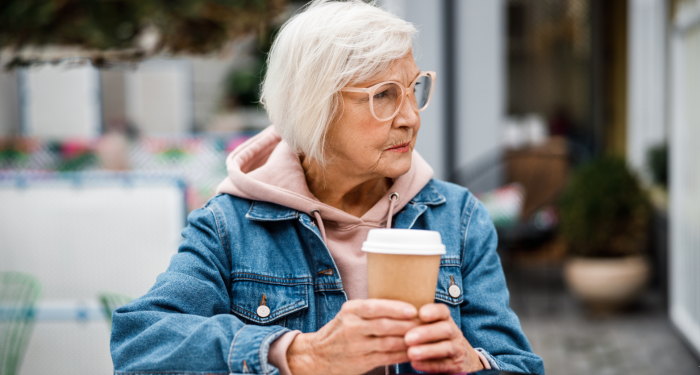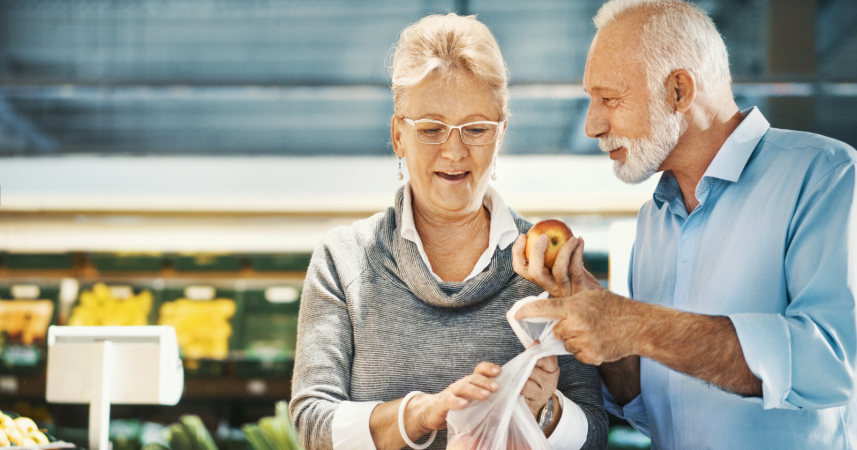
These shopping habits offer a window into a different era, representing stability, tradition, and a connection to how things have always been done.
My grandmother's shopping list fascinates me.
Not because it's particularly unusual, but because it's so consistent. Week after week, year after year, the same items appear with clockwork regularity.
I've noticed this pattern with other older people in my life too. There are certain things that remain staples on their shopping lists, items that younger generations have largely abandoned or replaced with modern alternatives.
There's something quite charming about it, actually. These shopping habits offer a window into a different era, a time when certain products were household essentials.
Here are the telltale signs you're looking at the shopping list of someone over 70.
1. Actual newspapers
My grandfather still buys a physical newspaper every single day.
Not occasionally. Not just on Sundays. Every. Single. Day.
He has a tablet. He knows how to use it. But he still walks to the shop each morning to pick up his paper, comes home, and reads it cover to cover with his morning tea.
For younger generations, this seems almost quaint. We get our news instantly on our phones. We skim headlines and move on.
But for people over 70, the ritual of reading a physical newspaper is ingrained. It's not just about getting information. It's about the experience, the routine, the feel of paper in their hands.
I've tried to explain to my grandfather that he could save money with a digital subscription. He just smiles and says some things are worth paying for.
2. Tinned fruit
This one always stands out to me when I help my elderly neighbor with her shopping.
Tinned peaches. Tinned pears. Fruit cocktail. Items that seem to have disappeared from most younger people's shopping lists.
When I was growing up, tinned fruit was everywhere. But somewhere along the way, fresh fruit became more accessible and affordable, and tinned fruit fell out of favor.
Not for the over-70 crowd though. It's still a staple.
I think part of it is habit. They grew up in a time when tinned goods were a practical way to have fruit year-round. But I also think there's genuine nostalgia attached to it.
My grandmother makes the same fruit salad she's been making for 50 years, and it always includes tinned fruit. She wouldn't dream of using fresh fruit for it. That's just not how it's done.
3. Margarine instead of butter
This is a big generational divide.
People over 70 often still buy margarine, despite the fact that butter has made a comeback as the preferred option among younger generations.
My elderly aunt has used the same brand of margarine for decades. When I asked her why she doesn't use butter, she looked at me like I'd suggested she start cooking with motor oil.
In her mind, margarine is healthier and more practical. That's what she learned in the 1970s when margarine was heavily marketed as the modern, heart-healthy alternative to butter.
Never mind that nutrition science has since changed its position on this. Once you've spent 50 years believing margarine is better, it's hard to switch back.
I've noticed this divide at family gatherings. The older generation brings margarine. The younger generation brings butter. And never the twain shall meet.
4. Bars of soap
Walk into any bathroom belonging to someone under 40, and you'll likely find liquid hand soap or body wash.
Walk into a bathroom belonging to someone over 70, and there will be bars of soap. Proper, old-fashioned bars.
My grandmother has a specific brand she's been buying for as long as I can remember. She stocks up on it like she's preparing for the apocalypse.
When I once bought her fancy liquid soap as a gift, she thanked me politely and then continued using her bars.
There's something very practical about this preference. Bars of soap last longer, create less plastic waste, and are often cheaper than their liquid alternatives.
But I think it's more than just practicality. It's what feels right. It's what they've always used. And at 70-plus, why change?
5. Instant coffee
This is one that surprises younger coffee snobs.
Many people over 70 still buy instant coffee, despite the explosion of coffee culture and the availability of better options.
My grandfather drinks instant coffee every single day. He has a jar that lives next to the kettle, and he makes the same cup of instant coffee he's been making for 40 years.
I brought him fancy ground coffee once. He tried it, nodded politely, and went straight back to his instant.
For his generation, instant coffee was revolutionary. It was convenient and modern. The fact that younger generations have moved on to espresso machines and French presses doesn't change the fact that instant coffee does the job perfectly fine.
And honestly? After trying his coffee, I understand. There's something comforting about a simple cup of instant coffee made exactly the same way every time.
6. Specific brands they've used for decades
This isn't about a particular product, but rather the brand loyalty that defines this generation's shopping habits.
People over 70 tend to buy the exact same brands they've always bought. Same washing powder. Same tea bags. Same biscuits.
My grandmother wouldn't dream of trying a different brand of tea. She's been buying the same one for 50 years. Why would she switch now?
This level of brand loyalty is almost unheard of in younger generations. We're constantly trying new things, switching based on price or reviews or whatever's on offer.
But for people over 70, once they find something that works, that's it. They're committed.
I think there's something quite beautiful about this loyalty. In a world of endless choice and constant change, there's stability in knowing exactly what you're getting every time.
7. Proper writing paper and envelopes
My elderly neighbor always has writing paper and envelopes on her shopping list.
Not because she's buying them in bulk. She actually uses them regularly.
She writes letters to friends and family. Proper letters, with a pen, on paper, in an envelope with a stamp.
For most people under 50, this is almost completely foreign. We text, email, or message on social media. Physical mail is reserved for official documents or birthday cards.
But for many people over 70, letter writing is still a normal form of communication. It's how they stay in touch with people.
My neighbor has a box of cards for every occasion. Birthday cards. Thank you cards. Sympathy cards. She buys them regularly and actually sends them.
I have to admit, receiving one of her handwritten cards is always special. There's something about physical mail that feels more thoughtful than a quick text.
8. Fabric softener
Walk down the laundry aisle, and you'll notice something interesting.
The people buying fabric softener are almost exclusively over 60.
Younger generations have largely abandoned it. We've been told it's bad for the environment, unnecessary, and possibly harmful to our clothes and washing machines.
But try telling that to someone over 70.
My grandmother uses fabric softener on every single load of laundry. She always has. She always will. Her towels and sheets smell exactly the same as they did when I was a child.
When I mentioned I don't use fabric softener, she looked genuinely concerned. How do I make my clothes soft? How do they smell nice?
I tried to explain about modern detergents and dryer balls, but I could see I wasn't making any headway.
In her world, fabric softener is an essential part of doing laundry properly. And nothing I say is going to change that.
9. Proper biscuits for visitors
This is a specifically British thing, but it's so telling of the generation.
People over 70 always have a tin of proper biscuits ready for visitors. Not just any biscuits. The good ones, in the fancy tin, saved for guests.
My grandmother keeps a constant supply of these biscuits even though she rarely eats them herself. They're not for her. They're for offering to anyone who might visit.
Younger generations don't really do this anymore. If someone comes over, we might offer them whatever snacks we happen to have, if anything.
But for people over 70, having proper biscuits to offer guests is a matter of basic hospitality. You can't have someone in your home without offering them tea and a biscuit.
My grandmother would be mortified if someone visited and she didn't have biscuits to offer. It's simply not done.
Final thoughts
Looking at these shopping list staples, I realize they're about so much more than just products.
They represent a different way of life. A time when things moved slower, when routines were more fixed, when certain standards of hospitality and daily life were simply expected.
There's something lovely about the consistency of it all. In a world that changes so rapidly, where trends come and go at lightning speed, there's comfort in knowing some people are still buying the same soap and biscuits they've bought for decades.
I'm not saying we should all go back to tinned fruit and margarine. But maybe there's value in understanding why these things remain important to an older generation.
They're not being stubborn or resistant to change for the sake of it. These products and habits are woven into the fabric of their lives. They represent stability, tradition, and a connection to how things have always been done.
And honestly? Sometimes I think we could learn something from that kind of loyalty and contentment with what works.