The stores that going out of business actually hurt to lose reveal which generation you belong to - and if these eight closures felt like personal losses, you grew up when physical retail was more than just shopping.

Add VegOut to your Google News feed. 
My parents got genuinely upset when Borders closed. Not just disappointed, but sad in a way I couldn't quite understand at the time.
They'd spent decades browsing those stores, meeting friends there, discovering books they didn't know they wanted. When the chain went under, they lost something beyond just a place to buy books.
I bought books on Amazon and didn't think much about it.
That difference captures something fundamental about generational divides. The stores that going out of business makes you sad aren't just about nostalgia. They're about what retail meant during your formative years.
If these eight store closures genuinely hurt, you're probably a boomer.
1) Borders Books
For boomers, Borders represented a third place between home and work. You could spend hours browsing, sit in the café, run into people you knew, discover music alongside books.
The closure of Borders in 2011 felt like losing a community space, not just a bookstore.
Younger generations didn't mourn Borders the same way because they'd already shifted to Amazon, e-readers, and different models of book discovery. Physical bookstores weren't central to how they consumed media.
But for boomers who spent Saturday afternoons wandering Borders, who bought CDs there, who met friends for coffee in the café, the closure represented the end of a specific era of retail as social experience.
My parents still talk about things they discovered at Borders. Albums they wouldn't have found otherwise. Books they stumbled across. It was about discovery through physical browsing in ways that algorithms can't replicate.
2) Toys "R" Us
The 2018 closure of Toys "R" Us hit boomers hard because it represented their children's and grandchildren's childhoods, not just their own.
Boomers remember taking their kids there, watching them run down the aisles, the experience of toy shopping as an event rather than a transaction. When it closed, it felt like losing a ritual.
Younger parents don't feel the same loss because they already shop for toys on Amazon or Target. The experience of going to a dedicated toy store wasn't central to their parenting.
But boomers who spent decades treating Toys "R" Us trips as special occasions, who have photos of their kids in the store, who associate it with specific memories, genuinely mourned its disappearance.
3) RadioShack
RadioShack closing barely registered for most younger people. But boomers who grew up building electronics, who started their tech education there, who spent hours browsing components, felt the loss.
RadioShack represented hands-on tinkering and DIY electronics culture. It was where you went when you needed specific parts, when you had a project, when you wanted to learn about technology by building it yourself.
That culture largely disappeared before RadioShack did. But for boomers who came of age during its peak, the store represented a specific approach to technology that valued understanding how things work.
The closure symbolized the shift from building and repairing to buying and replacing. That's a loss younger generations don't feel because they never had that relationship with technology to begin with.
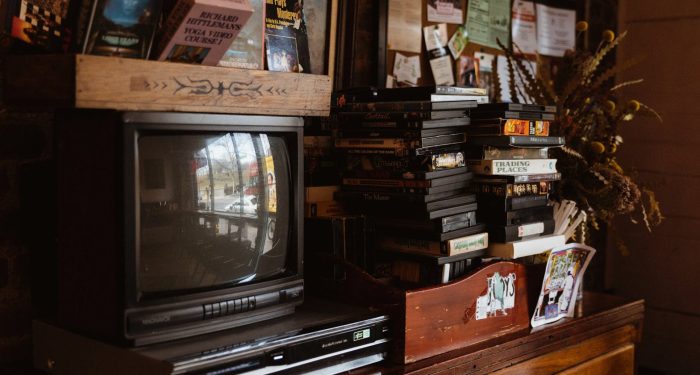
4) Blockbuster Video
Younger people joke about Blockbuster, but boomers genuinely miss it.
Not just the store itself, but the entire ritual. Driving there on Friday night, browsing the aisles with your family, the social experience of choosing movies together, the anticipation of getting home to watch.
Streaming is more convenient. Nobody misses late fees. But the experience of movie selection as a physical, social activity disappeared with Blockbuster.
For boomers who spent decades making Blockbuster trips part of their weekend routine, who have memories tied to those experiences, the closure felt like losing a tradition rather than just a store.
My parents still reference "Friday night Blockbuster runs" as shorthand for a type of family time that doesn't really exist anymore.
5) Sears
Sears was an institution for boomers in ways younger generations can't fully grasp. It wasn't just a department store, it was where you bought appliances, tools, clothing, everything for your home.
The Sears catalog was how many boomers shopped before internet retail existed. The brand represented reliability and accessibility across decades of their lives.
Watching Sears slowly die felt like watching a piece of American retail history disappear. For younger generations, it was just another struggling department store. For boomers, it was the end of an era.
The closure represented the obsolescence of a specific retail model they grew up trusting and depending on.
6) Payless ShoeSource
Payless closing in 2019 was an economic blow to many working-class families, but it hit boomers emotionally in specific ways.
For boomers who raised kids on limited budgets, Payless was where you bought affordable school shoes, where you could outfit your children without breaking the bank. It represented practical, accessible retail.
Younger generations shop for shoes online or at big box stores. Payless wasn't part of their experience the way it was woven into boomer parenting.
But for boomers who spent decades relying on Payless for affordable footwear, the closure felt personal. It represented the disappearance of middle-market retail that served working families.
7) Sports Authority
When Sports Authority closed in 2016, boomers who'd spent decades shopping there for their kids' sports equipment, camping gear, and athletic clothing felt a genuine loss.
It was more than just a sporting goods store. It was where you went for specific expertise, where employees actually knew about the products, where you could see and test equipment before buying.
Younger generations buy sporting goods online or at Dick's Sporting Goods and don't think much about it. But boomers who associated Sports Authority with specific life phases—coaching youth sports, family camping trips, setting up kids with equipment—mourned its disappearance.
8) The limited or its sister stores
For boomer women, stores like The Limited represented a specific moment in their professional lives. It was where you bought work clothing when entering the professional workforce, where you found affordable business attire.
The closure of The Limited and similar stores felt like losing a marker of their own career development and the particular moment when women were entering professional spaces in larger numbers.
Younger professional women shop at different stores or online. They don't have the same emotional connection to brands that represented their mother's generation's professional identity.
But for boomers who built their work wardrobes there, who associate those stores with specific career milestones, the closures felt personal.
Final thoughts
What makes these closures hit boomers differently isn't just nostalgia. It's that these stores represented a fundamentally different relationship with retail.
Shopping was a social activity, a weekend ritual, a way to spend time. Stores were third places where you ran into people, browsed without purpose, discovered things you didn't know you wanted.
Younger generations grew up with retail as primarily transactional. You know what you want, you order it online, it arrives. The experience is efficient but not social.
Neither approach is better. They're just different models shaped by different technological and cultural contexts.
But understanding why these closures hit boomers emotionally helps explain generational differences around retail, community, and how we spend our time.
For boomers, these stores going out of business wasn't just about losing shopping options. It was about losing spaces and rituals that shaped decades of their lives.
For younger generations who never developed those attachments, the closures barely registered. Just more retail casualties in an industry that was already shifting online.
The divide isn't about who's right. It's about what retail meant during your formative years and whether its disappearance feels like losing something irreplaceable or just watching an outdated model finally end.
If You Were a Healing Herb, Which Would You Be?
Each herb holds a unique kind of magic — soothing, awakening, grounding, or clarifying.
This 9-question quiz reveals the healing plant that mirrors your energy right now and what it says about your natural rhythm.
✨ Instant results. Deeply insightful.

Jordan Cooper
Jordan Cooper is a pop-culture writer and vegan-snack reviewer with roots in music blogging. Known for approachable, insightful prose, Jordan connects modern trends—from K-pop choreography to kombucha fermentation—with thoughtful food commentary. In his downtime, he enjoys photography, experimenting with fermentation recipes, and discovering new indie music playlists.
More Articles by Jordan