What feels like a big upgrade in one home might already be considered passé in another—it all depends on shifting tastes and changing ideas of status.

Add VegOut to your Google News feed. 
What feels like a “luxury” often depends on where you grew up.
For many working class families, certain purchases were seen as a sign that you’d made it—a little upgrade that brought a sense of pride or comfort.
But in wealthier circles, those same items can seem dated, unnecessary, or even a little tacky.
It’s not always about the money—it’s about shifting tastes, priorities, and what people associate with status over time.
Here are seven everyday purchases that often feel upscale in working class homes but come across as outdated in wealthier ones.
1. Big leather recliners
In many working class homes, the oversized leather recliner is the king of the living room.
It’s plush, comfortable, and often considered the “best seat in the house.”
For decades, having a leather recliner signaled you’d upgraded from hand-me-down furniture to something solid and new.
But in wealthy homes, these bulky chairs are often replaced by sleek, minimalist furniture in neutral tones.
The focus shifts to design and flow rather than one giant throne in the middle of the room.
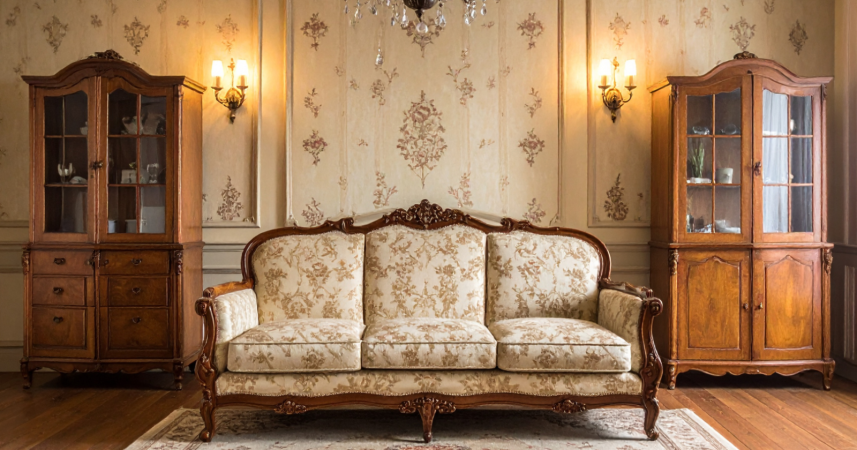
2. Fancy china cabinets
Growing up, a china cabinet full of decorative plates and glassware felt like a sign of sophistication.
Families proudly displayed their best dishes, even if they were only used once or twice a year.
In wealthier homes today, that tradition has faded.
Minimalism and open shelving have replaced heavy cabinets, and people prioritize casual, functional dinnerware over ornate sets gathering dust behind glass doors.
The old-fashioned “display” style now feels dated rather than aspirational.
3. Granite countertops
For years, granite countertops were the ultimate kitchen upgrade in working class neighborhoods.
Real estate listings even used them as a selling point: “Stunning kitchen with granite!”
But wealthier homeowners have moved on to materials like quartz, marble, or even custom concrete.
Granite, once the height of luxury, is now associated with early-2000s renovations rather than cutting-edge design.
It’s a perfect example of how trends trickle down and eventually lose their elite status.
4. Wall-to-wall carpeting
Soft carpet throughout the house was long considered cozy and upscale in many working class homes.
It covered old floors, felt warm underfoot, and created a sense of comfort that hardwood didn’t always offer.
But in wealthy homes, wall-to-wall carpeting has largely been replaced by hardwood, tile, or luxury vinyl with area rugs for warmth.
Carpet now carries associations with being harder to clean and less hygienic, especially for allergy-prone families.
What once felt plush now feels impractical.
5. Whirlpool tubs in the bathroom
The ultimate sign you’d “made it” in the 90s and 2000s? A giant whirlpool tub in the master bathroom.
Working class families saw these as spa-like luxuries, perfect for relaxing after a long day.
But in wealthier homes today, these tubs often go unused, taking up space in favor of larger showers with rainfall heads, steam systems, and sleek tile designs.
The trend has shifted from big and flashy to efficient and modern.
6. Matching furniture sets
Buying a full living room set—sofa, loveseat, recliner, and coffee table all in one matching style—was a big deal for many working class families.
It represented financial stability and a coordinated, “put-together” home.
But wealthier homes now tend to favor curated, mix-and-match pieces collected over time.
The goal is a layered, personalized look rather than a showroom-perfect matching set.
What once felt elegant now reads as overly uniform and a bit dated.
7. Stainless steel appliances
For years, stainless steel was the holy grail of kitchen upgrades.
Having a fridge and oven in gleaming metal instantly made a kitchen feel modern and high-end.
But in wealthier homes, the trend has shifted toward panel-ready appliances that blend seamlessly into cabinetry or even bold, custom-colored ranges.
Stainless steel still looks nice, but it no longer carries the same “luxury” association it once did.
The bigger picture
Many of these purchases were once symbols of moving up in the world, especially for working class families who took pride in upgrading their homes.
But as trends evolve, what was once aspirational often becomes mainstream—then eventually feels dated to those with the means to keep chasing the next big thing.
It’s not about right or wrong choices.
It’s about how culture, design, and class shape our idea of what feels “luxurious” in the first place.