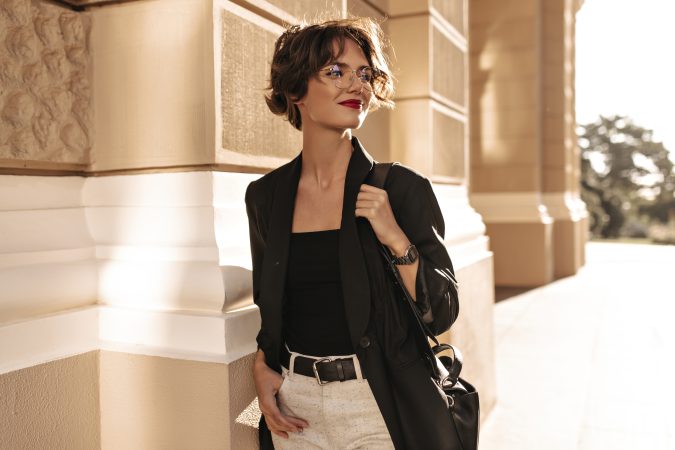
Quiet luxury on a budget: tight palettes, tailored basics, and ten high-street labels that punch way above their price

Add VegOut to your Google News feed. 
Looking expensive isn’t about dropping a paycheck on a logo.
It’s about silhouette, fabric, hardware, and restraint—then choosing labels that obsess over those things without charging designer prices. I’ve road-tested a lot of “quietly polished” brands (and made my share of noisy mistakes).
These ten are my go-tos when I want elevated, not try-hard.
A few styling rules I keep in my notes app: stick to a tight palette (black, navy, camel, white, olive), privilege texture over pattern (wool, linen, twill, ribbed knits), keep hardware minimal (matte > shiny), and tailor the cheap stuff.
And yep—I’ve mentioned this before but fit is 80% of the battle.
Now, to the labels.
1) Uniqlo
When I need clean lines and dependable fabrics, I start here. Uniqlo’s “LifeWear” idea—simple, well-made basics for everyday—means merino crews that don’t pill, crisp tees that hold their shape, and featherlight down that layers under coats without bulk.
Keep the colors quiet, size for a skimming fit, and you’ll get a “designer basics” vibe for the cost of brunch.
Style play: navy merino + gray tailored trouser + leather sneakers = instant “I have my life together.”
2) COS
If “minimalist gallery director” were a wardrobe, it would be COS. Expect architectural cuts, double-faced wool, and sculptural basics that look far pricier than they are.
I treat COS as my source for statement-simple coats, knit dresses, and trousers with proportion play (wider leg, clean drape). It reads expensive because the shapes are confident and the palette is quiet.
Style play: oversized charcoal coat over a column of black; add a belt only if you need structure.
3) Arket
Arket is the Scandi capsule wardrobe in brand form—pared-back design, solid fabrics, and pieces that mix without yelling for attention.
Their blazers, knits, and shirts live happily together, which is why a small haul turns into outfits for weeks. It’s the label I send friends to when they want fewer, better everyday uniforms.
Style play: ecru denim + oatmeal knit + trench; let the tones do the work.
4) Massimo Dutti
Inditex’s “grown-up” brand is where I grab polished tailoring and leather without designer price shock.
The cuts are sleek, the colors are grown-up (camel, ink, chocolate), and the vibe is European office chic.
One well-chosen blazer or leather boot from MD can lift a whole week of outfits.
Style play: single-breasted blazer + silk-ish blouse + straight trousers; keep jewelry minimal.
5) Mango
Mango wins on blazers and outerwear that photograph like luxury.
Their tailored jackets, especially in tweed, marled wool, or clean black, are the fastest way to make a tee-and-jeans combo look intentional. The designs are Barcelona-born, which explains the balance of sharp and relaxed.
Style play: black blazer + white tee + dark denim + low-profile sneakers; add a structured bag.
6) J.Crew
Call it modern prep done with care. J.Crew’s strength is timeless staples with updated fits—rollneck sweaters, cashmere, Italian-wool blazers, and the long-running Ludlow suiting that’s solid value with proper tailoring.
It’s also one of the easiest places to build a “smart casual” uniform that won’t date by next season.
Style play: navy rollneck + pleated trouser + loafers; add color only with a scarf.
7) Everlane
Everlane’s whole proposition is quality basics and “radical transparency”: clean tees, denim, tailored trousers, and simple leather accessories at straight-talk prices.
The trick is choosing their crispest cuts (Way-High trousers, lightweight Italian-wool layers) and letting the minimal design do the signaling.
Style play: monochrome fit—bone tee, bone trouser, bone sneaker—reads far pricier than the sum of parts.
8) Quince
When you want the fabric flex (cashmere, silk, linen) without the markup, Quince’s direct-to-consumer model is hard to beat.
Think machine-washable silk tops and Mongolian cashmere that hold their own next to spendy brands—fantastic under a blazer or as a column under a long coat.
Style play: black silk tee + black wide-leg; add a belt with quiet hardware and a trench.
9) Charles & Keith (bags and shoes)
Structured, minimal handbags are a cheat code for looking expensive, and C&K is the high-street champ: top-handle satchels, half-moon shoulder bags, and sleek boots with clean hardware—usually under £120.
Pick matte finishes and squared-off shapes; suddenly your whole outfit levels up.
Style play: structured top-handle in black or taupe with anything tailored—instantly “quiet luxury.”
10) Veja (sneakers)
White, low-profile sneakers telegraph “understated money” when they’re crisp and minimal.
Veja pairs that look with credible materials (organic cotton, Amazon rubber, recycled mixes) and a silhouette that sits nicely under trousers and dresses alike. Choose leather Campo or Esplar styles for the sleekest read.
Style play: white Vejas + wool trousers + trench = weekend uniform that still gets a nod from door staff.
How to make affordable look “expensive” (even if you don’t buy a thing today)
-
Monochrome wins. All-black, all-navy, or head-to-toe oatmeal looks intentional and hides price tags.
-
Mind the sheen. Shiny synthetics cheapen a look; matte twill, brushed wool, ribbed knits, and supple leather read richer.
-
Choose structure. A blazer with a bit of shoulder, a bag with a defined shape, shoes with a firm sole—these signal quality from a distance.
-
Use tailoring like a filter. Hem trousers, nip waists, shorten sleeves. A $20 alteration can make a $120 jacket look like $400.
-
Hardware harmony. Keep metals consistent (all silver or all gold) and skip busy logos; your silhouette becomes the statement.
-
Buy the best under-layers you can. A great tee or knit makes everything on top play nicer (Uniqlo/Everlane/Quince are your friends here).
How this looks in real life
If you want proof, here are two easy fits I watched work last month—same “quietly polished” rules, different wardrobes.
My friend Marco had dinner and a gallery run on a Thursday. He doesn’t like shopping and won’t spend designer money, so he kept it simple: a navy Uniqlo merino crew under an unstructured Mango blazer, Arket straight-leg trousers (hemmed a touch), and white Veja Campos.
He tossed his laptop into a slim COS tote because he was coming from work. Two people asked if the blazer was Italian. It wasn’t; the trick was proportion and texture—matte knit under matte jacket, a clean shoulder, trousers that skimmed the shoe. He’d also swapped the blazer’s shiny buttons for matte horn-look ones at a neighborhood tailor. Twelve dollars, instant upgrade.
My cousin Alina had a client meeting that slid into drinks. She wore a black Quince silk tee tucked into high-waist Massimo Dutti trousers (waist nipped a bit), a long charcoal COS coat, and a taupe top-handle from Charles & Keith.
Tiny gold hoops, black J.Crew loafers, done. Her client complimented the “designer” bag; a stranger on the train asked about the coat. Nothing was loud—no big logos, all matte textures, sleeves shortened to hit right at the wrist. It read sleek because everything else stepped back and let the structure do the talking.
The pattern in both: tight color stories, matte over shiny, one or two cheap alterations, and accessories with clean lines. The spend stayed sane; the look read considered, not costly.
Bottom line
Looking expensive is mostly about editing, not earnings. These labels sweat the details—cut, fabric, finishing—so you don’t have to.
Keep the palette calm, tailor the lines, choose structured accessories, and let minimal design speak up for you.
Your outfits will read “considered” instead of “costly,” and no one will guess how little drama (or markup) it took to get there.
What’s Your Plant-Powered Archetype?
Ever wonder what your everyday habits say about your deeper purpose—and how they ripple out to impact the planet?
This 90-second quiz reveals the plant-powered role you’re here to play, and the tiny shift that makes it even more powerful.
12 fun questions. Instant results. Surprisingly accurate.