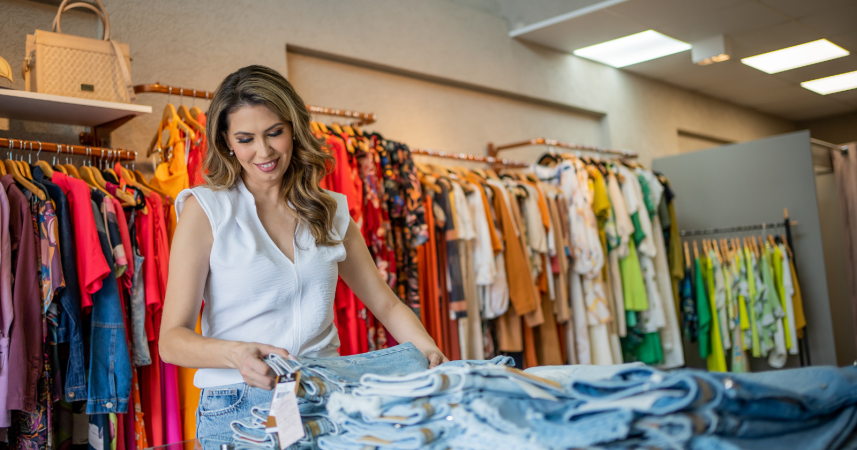
If you shop at the same stores out of habit, your style might be stuck on repeat. A few new brands or fresh pieces can help your wardrobe grow with you.

Add VegOut to your Google News feed. 
There is something strangely comforting about walking into a store where everything feels familiar.
You know the layout. You know your size. You know exactly which section you are heading toward before you even step through the door.
For a while, that familiarity feels like a convenience. It makes shopping quicker, easier, and much less overwhelming.
But somewhere along the way, the same routine that keeps things simple can also keep you stuck.
I did not realize how much my style had stopped evolving until I noticed my taste in food maturing faster than my closet.
Working in luxury hospitality, I learned to appreciate nuance and experimentation.
Yet the clothes in my drawers still reflected a version of me who was living on tips and trying to survive long shifts.
It is interesting how we grow naturally in certain areas and barely notice that other parts of our life have fallen behind.
Style is one of those areas. We think of it as static, but it is supposed to evolve the same way our careers, relationships, and interests do.
The stores below are not bad stores. Many of them offer great pieces and serve important roles in a wardrobe.
The problem happens when they become the only places you shop. If that is the case, your style might be overdue for an update.
Let’s look at why.
1) Zara
Zara is one of those stores that feels like a quick hit of inspiration.
You walk in, you see the latest trends, and you instantly feel like you are stepping into the current moment.
For a long time, I loved that feeling.
But when Zara becomes your only source of clothing, everything in your closet starts to blend together.
The pieces change slightly from season to season, but the vibe stays almost identical.
Trends move fast in Zara’s world. That speed can make it hard for your personal style to breathe.
You end up switching constantly, not because you want to, but because the store trains you to chase whatever comes next.
Eventually, I realized I was buying more but expressing less.
A wardrobe needs staples. It needs personality. It needs pieces that can stick around longer than a three-month rotation.
Zara is a great supplement, but relying on it exclusively can keep your style stuck in a loop of constant reacting instead of intentional choosing.
2) H&M
H&M is where so many of us begin our style journey.
It is accessible, affordable, and dependable. Students rely on it. New professionals use it as a lifeline. It fills a very real need.
But as life changes, your wardrobe should change too.
H&M becomes a problem when it stays your default choice long after you have outgrown the stage it served.
The clothes are fine. The issue is the habit.
Psychologists have a name for this. They call it the default effect. We stick to what is familiar because it feels easier than exploring something new.
If your closet is full of pieces that look the same as what you wore at nineteen or twenty, it might be because you have not given your style room to grow with you.
Convenience is helpful, but it should not drive your entire aesthetic.
Your style deserves more intention, more curiosity, and more reflection of who you are today.
3) Uniqlo
Uniqlo is one of my personal favorites.
The quality is solid, the fits are clean, and the minimalism feels refreshing. Walking into Uniqlo always feels like taking a deep breath.
But when your entire wardrobe comes from the same palette, things can start to feel a little flat.
Minimalism is wonderful when it highlights your personality. It loses impact when it becomes a uniform rather than a style.
A closet full of neutrals, simple cuts, and identical silhouettes can make getting dressed feel predictable instead of expressive.
Think about flavor for a second. Great food can be simple, but it still needs layers and contrast. Style works the same way.
Uniqlo is an excellent foundation, but it is only one flavor. Relying on it exclusively can unintentionally mute the more interesting parts of your personality.
Sometimes the smallest addition from another store can bring your entire wardrobe to life.
4) ASOS
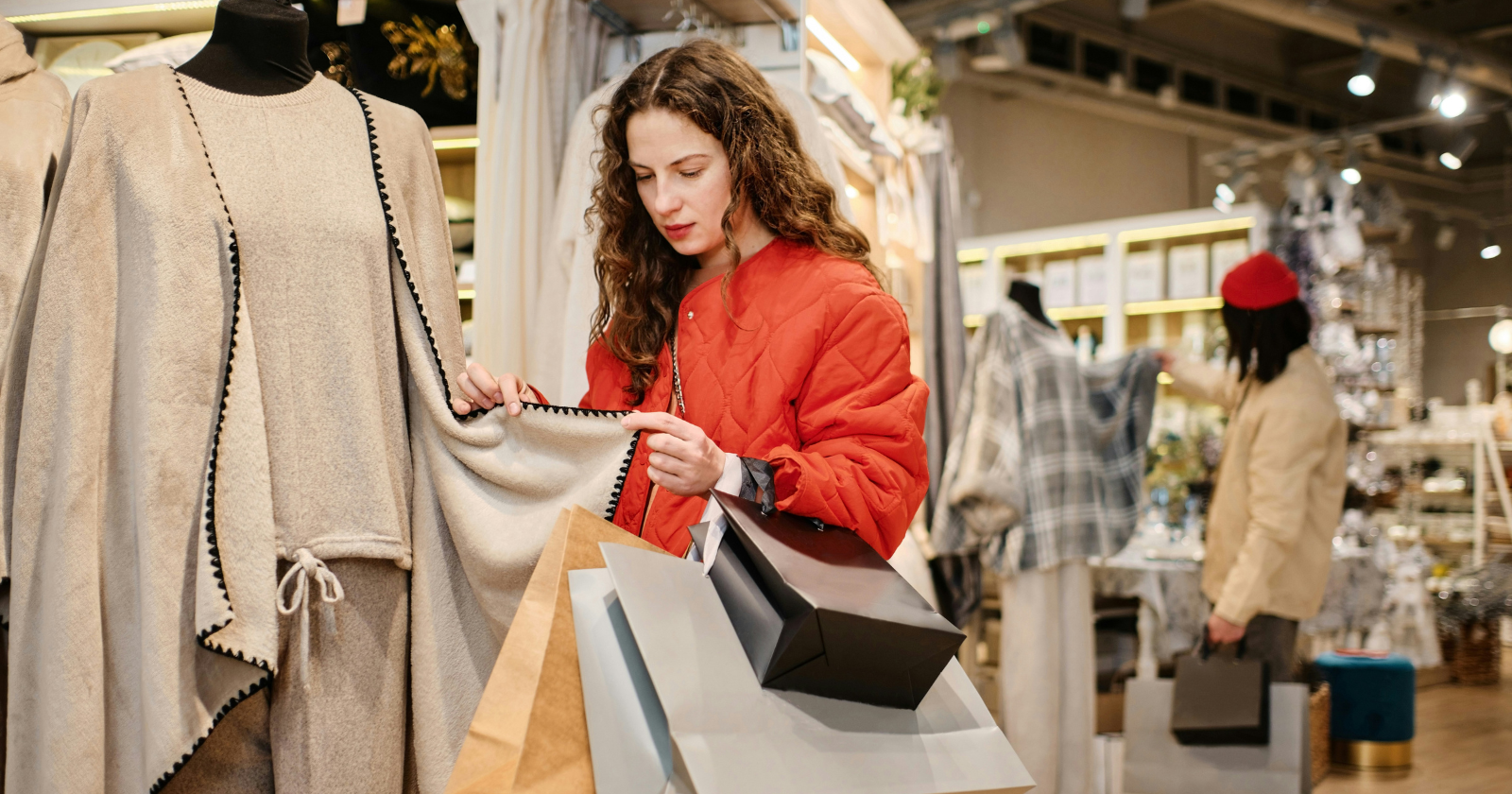
ASOS is an entire universe of possibilities.
One search leads to dozens of tabs, and before you know it, you have spent an hour scrolling without remembering what you were looking for in the first place.
There is fun in that, but there is also a downside.
Too many options can dilute your sense of what you actually like. Barry Schwartz writes about this in The Paradox of Choice.
When choices multiply, our decisions become less confident and less satisfying.
Shopping exclusively from ASOS can create a closet full of pieces that seemed exciting in the moment but never truly matched your real style.
Nothing goes together. Nothing feels consistent. Getting dressed becomes trial and error instead of a reflection of your identity.
ASOS can be a treasure hunt when you know what you want. But when it becomes your only store, the variety can overwhelm rather than clarify.
A style built from impulse purchases rarely feels grounded.
5) Forever 21
Forever 21 holds a certain nostalgia.
I remember wandering through it with friends, trying on outfits that made us laugh or feel bold or feel like versions of ourselves we had not met yet.
That is what the store is for. Exploration. Playfulness. Chaos.
But if Forever 21 is still your main shopping destination years later, your style might be holding onto a chapter you have already outgrown.
The clothes are fun, but they are designed for a stage of life full of experimentation. Not every style is supposed to last forever.
At some point, your wardrobe should reflect the growth you have experienced.
It should match your lifestyle, your confidence, your body, and your identity today.
There is nothing wrong with a nostalgic piece here and there, but an entire closet based on past habits can keep you from stepping into a more mature expression of who you are.
Growth means updating every part of your life, including the clothes you reach for without thinking.
6) Old Navy
Old Navy is comfort in store form.
Everything is soft. Everything is safe. Everything is reasonably priced and pleasantly familiar.
That familiarity is why so many people shop here without realizing they have been buying the same kind of clothes for years.
Basics are important. But basics alone cannot carry your entire style.
If Old Navy is the only place you shop, your wardrobe might feel predictable because it is built on pieces that blend together instead of pieces that bring each other to life.
Think of your closet the same way you think of ingredients. You need staples, but you also need contrast, color, and texture to make the meal interesting.
Old Navy gives you a reliable foundation, but it should not be the only ingredient in your style.
Sometimes you need something that surprises you or challenges the way you usually dress.
7) Target
Target is a magical trap.
You walk in for toothpaste and walk out with a cardigan you did not plan on buying. That is just what happens there.
Target clothes are fun to stumble upon, but that is part of the issue. Most Target purchases are unplanned. They are incidental rather than intentional.
Behavioral economists call this incidental consumption. We buy something simply because it is in front of us, not because we sought it out with purpose.
When your wardrobe is built on unplanned finds, it ends up feeling inconsistent. Each piece works alone, but nothing works together.
Target is great for adding a surprise piece or two, but when it becomes your primary clothing source, your style loses structure.
A cohesive wardrobe requires choices made with intention, not impulse.
The bottom line
The real issue is not any of these stores.
It is the habit of staying loyal to the same shopping patterns long after you have outgrown them.
Your style is meant to evolve with you. It should reflect who you are now, not who you were during a different season of life.
Trying new stores is not about reinventing yourself. It is about giving yourself permission to grow.
It is about letting your outer expression match your inner development.
It is about curiosity. Exploration. Confidence.
A single new brand or silhouette can shift the entire way you show up in the world.
You deserve a style that moves with you, supports you, and expresses the version of yourself you are becoming.
So give yourself permission to step outside your usual rotation.
Try on something unexpected.
Explore something unfamiliar.
Your next chapter is waiting, and your wardrobe should come with you.
If You Were a Healing Herb, Which Would You Be?
Each herb holds a unique kind of magic — soothing, awakening, grounding, or clarifying.
This 9-question quiz reveals the healing plant that mirrors your energy right now and what it says about your natural rhythm.
✨ Instant results. Deeply insightful.

Adam Kelton
Adam Kelton is a writer and culinary professional with deep experience in luxury food and beverage. He began his career in fine-dining restaurants and boutique hotels, training under seasoned chefs and learning classical European technique, menu development, and service precision. He later managed small kitchen teams, coordinated wine programs, and designed seasonal tasting menus that balanced creativity with consistency.
After more than a decade in hospitality, Adam transitioned into private-chef work and food consulting. His clients have included executives, wellness retreats, and lifestyle brands looking to develop flavor-forward, plant-focused menus. He has also advised on recipe testing, product launches, and brand storytelling for food and beverage startups.
At VegOut, Adam brings this experience to his writing on personal development, entrepreneurship, relationships, and food culture. He connects lessons from the kitchen with principles of growth, discipline, and self-mastery.
Outside of work, Adam enjoys strength training, exploring food scenes around the world, and reading nonfiction about psychology, leadership, and creativity. He believes that excellence in cooking and in life comes from attention to detail, curiosity, and consistent practice.
More Articles by Adam