
Behind every checkout line is a quiet story of value, resilience, and routine. These 10 grocery staples show what practicality really looks like.

Add VegOut to your Google News feed. 
Walk through any grocery store on a Sunday afternoon and you’ll see a story unfold.
Not the kind written in novels, but one told through shopping carts.
Each cart reveals priorities, pressures, and personal philosophies. The young professional’s basket might be filled with oat milk and protein bars.
The retiree’s? Probably some canned soup and tea.
But the working class, the folks juggling multiple jobs, kids, bills, and real life, have a cart that tells a deeper story about resilience, resourcefulness, and realism.
Let’s unpack what’s inside.
1) Bread
Let’s start with the obvious: bread.
It’s not just food, it’s a safety net. Sandwiches for lunch, toast for breakfast, something to stretch out a meal when the week runs longer than the paycheck.
I remember when I lived in a tiny apartment and had weeks where my dinner plan was basically bread, peanut butter, and a banana.
It wasn’t glamorous, but it was consistent. Bread represents that consistency.
It’s an anchor food: cheap, filling, and versatile.
And there’s psychology here too. Bread signals comfort and predictability, two things working-class families often have to build for themselves.
2) Eggs
Eggs are the definition of practical nutrition.
They can feed a family of four for a few dollars, and they fit into any meal of the day. More importantly, eggs represent flexibility. Boiled, fried, scrambled, baked into something bigger.
People who shop with purpose tend to favor foods that can adapt.
That’s a kind of intelligence that often goes unnoticed, the ability to stretch ingredients into multiple meals. It’s part creativity, part survival strategy.
And sure, I’m vegan now, but I grew up in a house where eggs were gold.
My mom could make six different meals out of a dozen eggs, and each one tasted different. That’s working-class innovation right there.
3) Coffee
Coffee is less about caffeine and more about control.
When your day starts before sunrise or ends after midnight, that cup of coffee feels like a small victory. A moment you choose for yourself before the chaos begins.
Sociologists have noted that lower- and middle-income groups spend more on coffee than people assume.
Why? Because it’s one of the few affordable luxuries that provides an immediate mood boost.
I used to think coffee was just a habit. But now I see it as a ritual, a grounding mechanism for people managing unpredictable schedules.
4) Rice or pasta
You can’t talk about working-class shopping without mentioning a good carbohydrate base.
Rice or pasta, or both, are non-negotiables. They’re cheap, store forever, and form the foundation for dozens of meals.
When I traveled through Southeast Asia, I saw a similar pattern. Rice is life. People rely on it because it’s simple, nourishing, and flexible.
The same applies here. Whether it’s spaghetti night or stir-fry leftovers, these ingredients stretch across cultural lines and budgets alike.
And let’s be honest, no one feels broke when there’s rice in the cupboard. It’s like having a backup plan that never expires.
5) Frozen vegetables
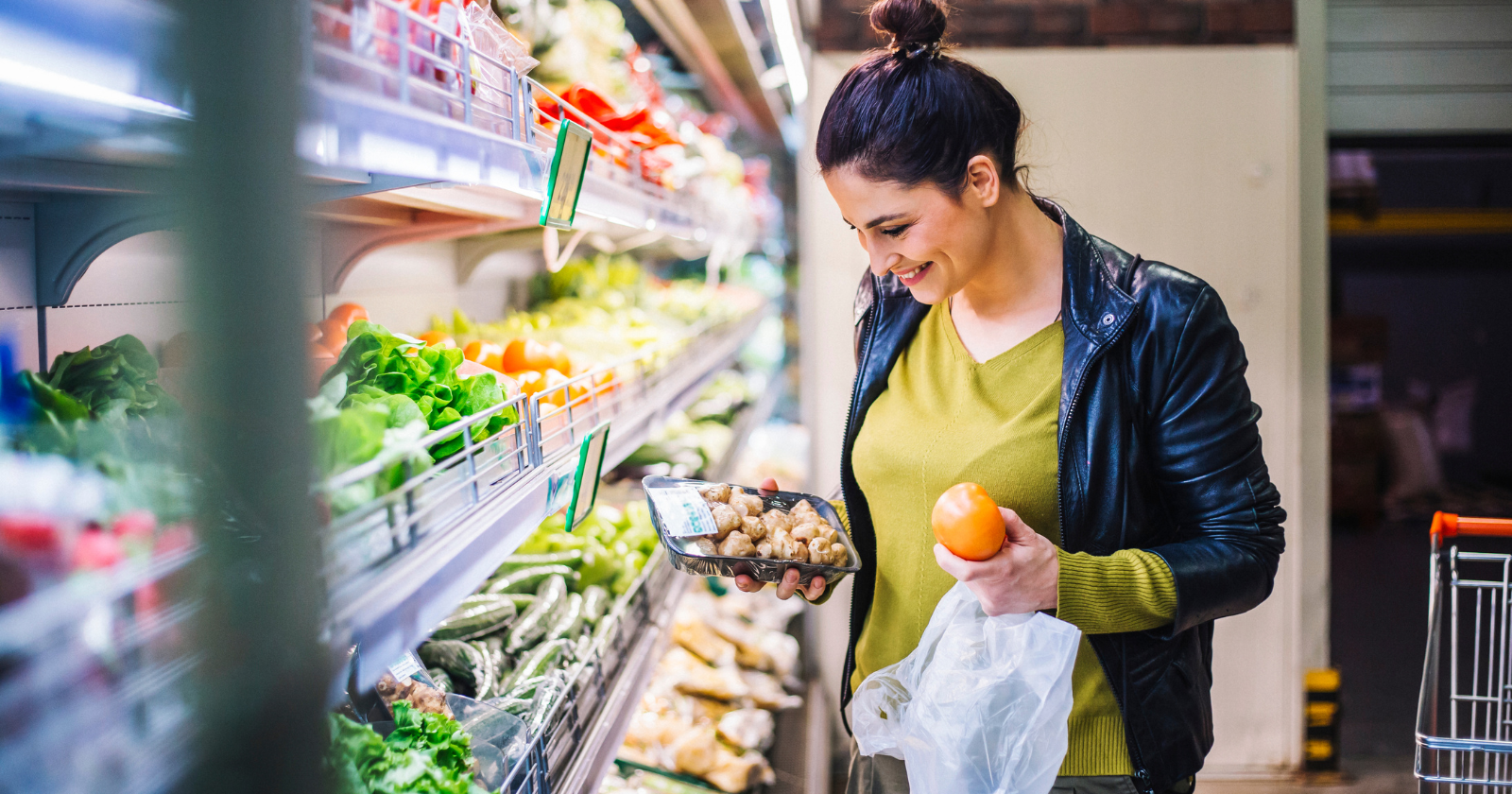
Here’s something I wish more people talked about: frozen vegetables are not a sign of laziness. They’re a sign of smart time management.
Most working-class families don’t have hours to prep meals after long shifts. They need nutrition without the time tax. Frozen veggies solve that problem beautifully.
They’re cheap, often fresher than so-called fresh produce that’s been shipped halfway across the country, and they last for weeks.
I’ve mentioned this before in another post, but decision fatigue is real, especially when money’s tight. The fewer complex choices you have to make at 7 p.m., the better.
Frozen veggies make healthy possible, not just ideal.
6) Canned goods
Beans, soups, tomatoes, canned food is the original convenience hack.
When I was in college, my pantry looked like a metal orchestra of labels and lids.
Canned goods are a form of quiet security. You might not need them today, but knowing they’re there gives you peace of mind.
In economic psychology, that’s called reducing uncertainty. People under financial strain tend to stockpile shelf-stable items, it’s a subconscious way of regaining control.
The next time you see someone buying ten cans of beans, don’t assume it’s just about thrift. It’s about stability.
7) Cheap snacks
Chips, instant noodles, maybe a few candy bars. You’ll always see them.
They’re not just junk food. They’re coping mechanisms in disguise.
When you’ve worked a double shift or spent the week juggling bills, a salty snack can feel like an act of self-care.
There’s research showing that when people are under chronic stress, their brains crave quick hits of pleasure and familiarity, usually through food.
It’s not lack of discipline, it’s biology.
I’ll admit it, even as a vegan, I’ve had late nights where a bag of BBQ chips became dinner. Sometimes comfort wins. And that’s okay.
8) Discounted or store-brand items
This one’s less about the product and more about the psychology of pride.
Working-class shoppers are strategists.
They know which stores mark down bread after 7 p.m., which aisles hide the best deals, and which store brands are secretly made by big-name manufacturers.
There’s a quiet satisfaction in beating the system, in finding value where others overlook it.
Once, during a road trip through the Midwest, I met a single mom who told me she played the grocery game every week, using coupons, rewards apps, and price-matching.
Her face lit up when she talked about saving thirty dollars on her bill. That joy isn’t about cheapness. It’s about agency.
9) Cleaning supplies
You might not expect this one, but cleaning products are almost always in the cart.
They’re not glamorous, but they represent dignity. When life feels chaotic, a clean home can restore a sense of control.
It’s also about pride in one’s space. Working-class people often work for others, cleaning offices, cooking meals, maintaining systems.
Bringing that same care home is an act of quiet defiance.
I remember reading a study that said lower-income households spend a higher percentage of their income on home cleaning products than higher-income ones.
That says something profound. Order matters, even when everything else feels uncertain.
10) Milk (or plant-based alternatives)
Milk, or in my case, oat milk, tends to show up in nearly every cart. It’s the universal base for breakfast, coffee, baking, and comfort foods.
For working-class families, milk is about continuity. It’s there for cereal, for tea, for that late-night glass when you’re too tired to cook.
The interesting thing is that more people in the working class are switching to plant-based options now, not because it’s trendy, but because it lasts longer and wastes less.
A carton of oat milk can outlive its dairy cousin by weeks. That’s practicality disguised as progress.
And maybe that’s the theme of the entire cart: practicality that adapts to reality.
The bigger picture
When you step back, these items tell a story that’s part psychology, part sociology, and part survival.
The working-class grocery cart isn’t random. It’s strategic. It’s built on a deep understanding of what sustains life when money and time are limited.
There’s comfort, nourishment, and control hidden in each choice.
People often think of shopping as a routine, but really, it’s a reflection of priorities. Every item is a vote for stability, convenience, or just getting through another week with some dignity intact.
And maybe there’s something for all of us to learn from that. Because no matter how much you earn, the core questions stay the same.
What gives you comfort? What helps you feel in control? What gets you through the week?
Those are the real essentials.
If You Were a Healing Herb, Which Would You Be?
Each herb holds a unique kind of magic — soothing, awakening, grounding, or clarifying.
This 9-question quiz reveals the healing plant that mirrors your energy right now and what it says about your natural rhythm.
✨ Instant results. Deeply insightful.

Jordan Cooper
Jordan Cooper is a pop-culture writer and vegan-snack reviewer with roots in music blogging. Known for approachable, insightful prose, Jordan connects modern trends—from K-pop choreography to kombucha fermentation—with thoughtful food commentary. In his downtime, he enjoys photography, experimenting with fermentation recipes, and discovering new indie music playlists.
More Articles by Jordan