Lower middle-class carts aren’t flashy—they’re built on smart staples that stretch meals, tame budgets, and save busy weeks

Add VegOut to your Google News feed. 
My earliest budgeting class wasn’t in a classroom.
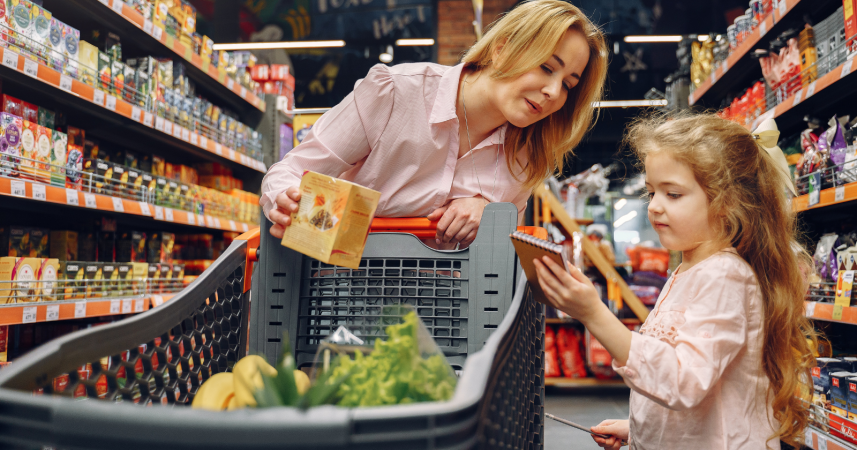
It was aisle five on a Sunday afternoon, trailing behind a cart with one front wheel that squeaked like it was confessing something. My mom kept a tiny flip calculator in her purse and a short list on the back of an old envelope.
We would stop in front of the shelf, compare unit prices, and she would say things like, “The label is loud, but the noodles are the same.”
If I lobbied for the cool brand, she would hand me two boxes and ask, “Which one feeds us longer for the same money.” That was the whole exam. And yes, there was a right answer.
Lower-middle-class carts are built around that kind of math. They are not joyless. They are strategic. They carry the staples that stretch, layer, reheat, and quietly rescue a chaotic week.
If you peeked into ten carts from ten families trying to make paychecks behave, you would see versions of the same items below.
Here are ten staples you will find in almost every lower-middle-class grocery cart, plus why they make sense and how to make them sing.
1. Store-brand sandwich bread
It may not have a commercial jingle, but the store-brand loaf is a workhorse. It anchors school lunches, emergency toast, and late-night peanut butter situations. Most stores bake or source a house loaf that is nearly identical to the big names at a friendlier price.
Why it wins: predictable price, decent shelf life, and endless uses. You can stretch a loaf across breakfasts, lunches, and croutons for soup night.
How to upgrade: freeze half on day one so the last slices are not a science experiment. Toast transforms even basic bread, and a quick garlic oil rub turns it into fake-fancy bruschetta on a Tuesday.
2. Rice by the bag
Five or ten pounds if the budget allows. Rice is the great equalizer: cheap, filling, steady. In lower-middle-class kitchens, it’s the canvas for leftovers, the base for beans, and the ballast under a stir-fry made from freezer finds.
Why it wins: unit price drops steeply in larger bags, and it stores well. It is also culturally flexible, which matters in households where flavor passports change midweek.
How to upgrade: rinse, toast in a little oil, and cook with a bay leaf or a garlic clove. Batch-cook, cool fast, and reheat in a hot pan for fried rice that rescues odds and ends from the fridge.
3. Dry pasta
Spaghetti, penne, elbows. Pasta is the emergency plan that still feels like dinner. One box feeds a crowd, plays well with pantry sauces, and forgives you when the day runs long.
Why it wins: shelf-stable, kid-friendly, and coupon-friendly. It pairs with everything: beans, canned tomatoes, olive oil, frozen veg, leftover roasted vegetables.
How to upgrade: save a mug of pasta water and toss quickly with olive oil, garlic, red pepper flakes, and any green you have. Finish with lemon zest. Cheap turns into cheerful fast.
4. Canned tomatoes
Crushed, diced, whole peeled if you’re fancy on sale day. Canned tomatoes are the starter kit for soups, chilis, curries, quick sauces, and braises. They are also insurance against “we have nothing” panic.
Why it wins: consistent quality, long shelf life, and miles of versatility. A can changes water and starch into dinner.
How to upgrade: bloom spices in oil, add garlic and onion, then the tomatoes. A pinch of sugar rounds the acid. For a creamy spin, swirl in a spoon of tahini or a splash of coconut milk.
5. Beans - canned or dry
Black, pinto, chickpeas, kidney, lentils. Beans are protein without the price spikes. In lots of lower-middle-class homes, you will see both: a few canned for speed and a bag of dry for weekends.
Why it wins: nutrition per dollar is off the charts. Beans anchor burritos, bowls, soups, salads, and dips. They also freeze like a dream.
How to upgrade: pressure-cook dried beans with a bay leaf and a small onion. If canned, rinse and sauté with garlic, cumin, and olive oil. Mash some for body in stews. Add acid at the end - lime, vinegar, or lemon - and everything wakes up.
My aunt used to call Sunday “pot day.” A pot of beans simmered while the house did chores. By dinner we had tacos. By Monday it was bowls. By Wednesday the last scoop turned into a quick soup with canned tomatoes and whatever veg was leaning toward retirement. One pot, three lives.
6. Peanut butter
Creamy or crunchy, store brand or the big jar on sale. Peanut butter is the original budget multivitamin: protein, fat, and comfort in a spoon. It saves mornings, powers snacks, and sneaks into savory sauce for the quickest noodle dinner on earth.
Why it wins: long shelf life, no refrigeration before opening, and a price that rarely shocks you at checkout.
How to upgrade: stir a spoon into warm water with soy sauce, lime, a pinch of sugar, and chili flakes for a fast peanut sauce. Toss with noodles and steamed veg. For breakfast, swirl into oatmeal and add a sliced banana from item 10 below.
7. Eggs
Even with recent price swings, eggs remain the budget hero. They are dinner when dinner forgot to happen and protein that fits inside any cuisine. Shakshuka, fried rice, breakfast tacos, frittatas with whatever you found in the crisper - eggs keep the week moving.
Why it wins: fast, flexible, and naturally portioned. One carton is eight different meals if you let it be.
How to upgrade: learn one technique well. Soft scramble low and slow for luxury on toast. Or master a Spanish-style tortilla with potatoes and onions from item 10. Leftovers are lunch with hot sauce and a salad.
8. Milk - dairy or shelf-stable
A gallon of dairy milk or a couple of cartons of shelf-stable alt milk live in many lower-middle-class carts. It’s not just for cereal. It supports baking, sauces, coffee, and that last-minute mac and cheese when the day goes sideways.
Why it wins: versatility plus unit-price sanity. Shelf-stable cartons let you shop sales and avoid midweek emergency runs.
How to upgrade: keep one long-life carton in the pantry as backup. For cocoa, whisk a teaspoon of cornstarch into cold milk before heating - it thickens slightly and feels like a hug.
9. Frozen vegetables
Bags of mixed veg, peas, corn, spinach, broccoli. Freezer produce is the safety net for nights when chopping feels like calculus. Frozen veg often gets flash-frozen at peak, which means quality beats sad out-of-season fresh.
Why it wins: no waste, no prep, and it turns starch into dinner. It also rescues leftovers by adding color, fiber, and the illusion that you planned this.
How to upgrade: roast frozen broccoli straight from the bag on a screaming hot sheet pan with oil, salt, and garlic powder. Toss frozen peas into the pot at the end of pasta cooking, then strain everything together for instant green.
10. Potatoes and onions
Call them the lower-middle-class duo. Potatoes supply bulk and comfort; onions supply depth and the smell of dinner. Together they are hash, tortilla española, baked potatoes with toppings, and the base of almost every stew.
Why it wins: dirt cheap per pound, months of storage if kept cool and dark, and infinite paths to “this tastes like home.”
How to upgrade: dice onions slowly in oil until sweet. Store a jar in the fridge for speed flavor. Microwave potatoes until just tender, then crisp them in a pan for weeknight home fries. Finish both with a splash of vinegar or lemon to cut the richness.
What these ten staples have in common
Unit price wins over label noise. The cart is built from items that stretch across meals and weeks.
Shelf life matters. You can buy on sale and ride out weird months.
Mix and match is the game. Everything above plays with everything else, which means fewer dead ends and less waste.
Speed plus substance. These are the tools that save you when schedules explode and still let you cook something that feels like care.
Final thought
Lower-middle-class grocery carts look unglamorous to people who shop for headlines. To people who shop for weeks, they look like freedom.
These staples protect your calendar, your wallet, and your energy while still giving you food that tastes like someone cares. That is success you can eat.
Next time you are in aisle five, pull a tiny flip calculator move in your head. Ask, “Which choice feeds us longer for the same money.” Pick the one that stretches.
Mix and match. Freeze what you will forget. Then go home and make something simple that feels good to eat. That is the class most of us needed, and it still works.