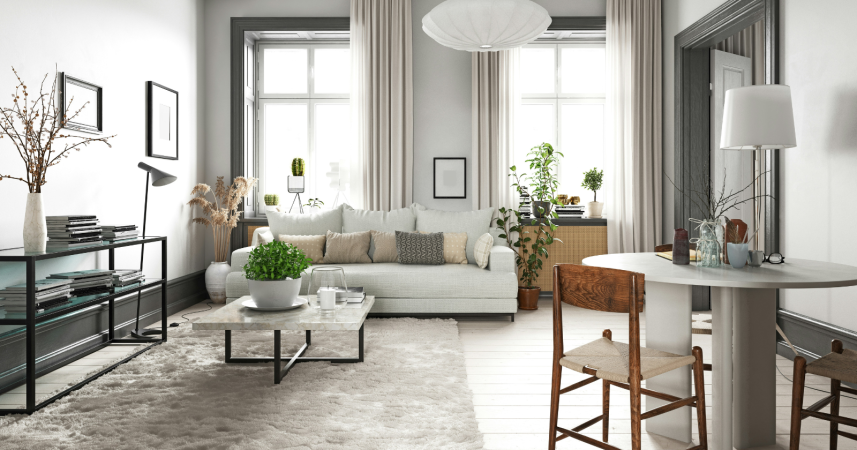
I used to think more meant cozy. Now I know calm comes from space, light, and a few things chosen with care.

Add VegOut to your Google News feed. 
I live in a small apartment in Itaim Bibi with my husband and our toddler, and I’ve learned that “elevated” has less to do with money and more to do with restraint.
The more I simplified, the calmer our home felt. It also became easier to keep clean after bedtime, which matters when you run your evenings like a relay race.
As William Morris said, “Have nothing in your houses that you do not know to be useful, or believe to be beautiful.” I come back to that line every time I’m tempted by a cute bargain find.
Below are ten things I stopped buying. The shift saved time, reduced clutter, and made our space feel quietly expensive.
1. Tiny knick-knacks that crowd every surface
Every checkout aisle is full of “little things” that promise personality. I used to collect them, then I spent my nights moving them to wipe crumbs.
Small clutter reads as visual noise, not character.
If you love objects, group a few in a tray and give them air. Curate, then let the rest go.
2. Matching furniture sets
A living room “set” seems convenient, but it flattens a room. It tells one story, and usually a generic one. Mixing woods, shapes, and textures gives a space that layered, collected feel you see in boutique hotels.
As Dieter Rams put it, “Less, but better,” which I take to mean fewer pieces, but each chosen with care and contrast. One vintage side table next to a modern sofa will do more for your room than a whole matching package.
3. Flimsy frames and stock art
When I was in my early twenties, I bought cheap frames and filled them with random prints because the walls looked empty. The result felt like a dorm, not a home.
An upscale look comes from fewer, larger pieces in solid frames, even if the art is a simple photograph you took on a trip to Santiago.
If all you can afford right now is one big piece, that single moment on the wall will make everything else feel taller and calmer. I also love leaning one framed piece on a console to add depth without buying more.
4. Obvious faux plants
I love cats and plan to have one when life is calmer, but for now my home thrives on low-maintenance green. I tried faux plants when I was sleep-deprived, and they looked dusty within weeks. Real plants, even one or two, change the energy of a room.
If you have a busy season, try snake plant or pothos and set a reminder to water. In tough corners, a sculptural branch in a tall vase can stand in for a tree and looks more elegant than plastic leaves.
5. Rugs that are too small or too thin
Tiny rugs make furniture look like it is floating. I learned this after rolling out a “deal” under our sofa and wondering why the room felt undone.
A living room rug should sit under the front legs of your seating at minimum, and thicker pile or a quality flatweave instantly reads richer.
When budget is tight, buy an oversized jute or sisal and layer a smaller vintage rug on top. The mix of texture and scale signals intention.
6. Harsh, cold light bulbs
Lighting is half the mood. I used to grab the brightest, cheapest bulbs and everything felt sterile, like a waiting room.
Now I pay attention to color temperature and quality. Warm white in the evening makes our small home feel like a soft cup of tea.
If you can, choose bulbs with a higher CRI so colors and wood tones look natural, and use table or floor lamps to create pools of light instead of blasting the whole space.
7. Plastic storage that lives on display
Clear bins and baskets have a purpose, but when they become decor, the room feels like a stockroom.
I learned this the hard way while organizing baby things. Instead of lining shelves with plastic, I tuck storage behind closed doors and choose a few woven or fabric bins in natural tones for open areas.
The visual quiet reads as quality. You still get function, without announcing your inventory to every guest.
8. Seasonal novelty decor
I enjoy a little festivity, especially for Emilia’s milestones, but a new set of holiday trinkets every month turns expensive and chaotic.
Buy a few timeless pieces that work year after year, like linen stockings, a simple wreath, or a brass candleholder. Then bring in the season through nature, food, and scent.
We do citrus in a bowl, greenery from the market, and a playlist during dinner. It feels grown-up and still joyful.
9. Overstuffed throw pillow piles
I used to bury our sofa in pillows because Instagram said so. Then every night I moved a mountain just to sit.
An upscale sofa usually has two to four pillows at most, in good fabric with proper inserts. Mix one subtle texture with one small-scale pattern and call it done.
The sofa looks tailored, and your back will thank you.
10. Strong synthetic air fresheners and cheap candles
This one is personal. I grew up loving a scented home, but I’ve learned to be choosy.
Many plug-ins and low-quality candles fill the air with heavy fragrances that mask the real atmosphere of your space, and some can add volatile organic compounds you do not want to breathe.
Public health guidance on indoor air quality often recommends reading labels, ventilating well, and choosing simpler options when possible.
I prefer open windows, a simmer pot with citrus, or one well-made candle with a clean burn.
A few guiding reminders I lean on
- “Less, but better” sits on a sticky note inside my planner, a nudge from Dieter Rams and his design principles that have aged well.
- I keep Morris’s line in my head when I shop, a filter that pushes me to pause before I check out.
- When I want a scent boost, I open the windows first and make sure choices align with basic indoor air quality guidance from trustworthy sources.
Final thoughts
An upscale home isn’t a price tag. It is the feeling that everything has a reason to be there.
Start by stopping. Stop buying what clutters, clashes, or collapses after a season.
Then choose the next right piece, use it daily, and let your rooms breathe.
That is how a home grows up with you.
If You Were a Healing Herb, Which Would You Be?
Each herb holds a unique kind of magic — soothing, awakening, grounding, or clarifying.
This 9-question quiz reveals the healing plant that mirrors your energy right now and what it says about your natural rhythm.
✨ Instant results. Deeply insightful.

Ainura Kalau
Ainura was born in Central Asia, spent over a decade in Malaysia, and studied at an Australian university before settling in São Paulo, where she’s now raising her family. Her life blends cultures and perspectives, something that naturally shapes her writing. When she’s not working, she’s usually trying new recipes while binging true crime shows, soaking up sunny Brazilian days at the park or beach, or crafting something with her hands.
More Articles by Ainura