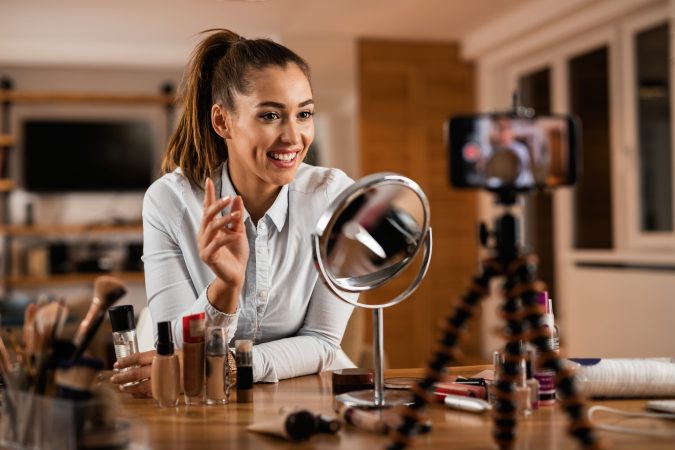
Most influencer products work best for the person selling them—not the person buying.
Short version first: I love the creativity of the internet, but I don’t love how easily hype gets dressed up as help.
As Carl Sagan put it, “Extraordinary claims require extraordinary evidence.” When you look past the filters and affiliate codes, a lot of the buzziest products don’t hold up for everyday people with regular lives, budgets, and biology.
Let’s get into six of the biggest culprits—and what actually moves the needle instead.
1. Detox teas
I tried one in my twenties because a drummer I was interviewing swore it “reset his body.” What it actually reset was the proximity between me and the nearest bathroom.
Here’s the boring truth: most “detox” teas are just laxatives and diuretics. You lose water, not toxins. Your liver and kidneys already handle detox brilliantly; they don’t clock in harder because you drank a celebrity’s favorite blend.
Why this fails most people:
-
It’s physiological theater. The scale dips, your stomach looks flatter for a day, and you “feel lighter”—because you’re dehydrated. Then the weight returns once you rehydrate.
-
It doesn’t build a repeatable habit. Sustainable energy and digestion usually come from sleep, fiber, and stress management. A tea can’t do your bedtime or your meal prep.
What to do instead: consistent fiber (fruit, veg, legumes), steady hydration, a daily walk, and boring sleep routines. Not sexy, incredibly effective.
2. Waist trainers
Waist trainers promise an hourglass by next week. Posture support? Maybe. Long-term fat loss or “reshaping”? No.
Why this fails most people:
-
Spot reduction is a myth. You can’t compress one area and expect fat to vanish there. That’s not how adipose tissue works.
-
It can backfire. Overuse can restrict breathing and make bracing your core less natural during workouts. I’ve watched friends abandon strength training because the trainer dug into their ribs—so the product got in the way of the only thing that would have helped.
Before-and-afters you see online? Often just tighter lacing, different angles, or holding the breath. The core you build with carries better than the corset you buy.
3. Hair gummy vitamins
If you have a true deficiency (iron, vitamin D, B12, etc.), a supplement—preferably recommended by a clinician—can help. But the flashy hair gummies most influencers promote are candy with biotin and marketing.
Why this fails most people:
-
More isn’t more. If your baseline nutrition is adequate, extra biotin doesn’t turbocharge follicle factories. The body isn’t short on sprinkles; it’s short on root causes.
-
It’s not targeted. Hair thinning can be hormonal, stress-related, genetic, medical, or medication-induced. A one-size gummy won’t untangle that knot.
-
Bonus gotcha: high biotin can interfere with some lab tests. So you might pay twice—once for the gummies, again for a confusing blood panel.
What to do instead: eat enough overall (including protein), manage stress, check labs if shedding spikes, and talk to a pro about proven treatments. Save the gummy budget for something you actually enjoy chewing.
4. Blue light glasses
I like the aesthetic. I own a pair. But when folks rave that these glasses single-handedly fix eye strain, productivity, and sleep, I wince.
Why this fails most people:
-
Most eye strain is behavior, not blue light. Hours of close focus without breaks, dry air, glare, and tiny fonts are the bigger villains.
-
Sleep issues are usually about timing and intensity of light exposure, not just wavelength. Scrolling at midnight keeps your brain wired because it’s bright and stimulating, glasses or not.
These glasses can help at night if they prompt you to dim screens and wind down earlier. For daytime focus, not so much. “If it sounds too good to be true, it probably is.” That old line isn’t cynical—it’s protective.
What to do instead: the 20-20-20 rule (every 20 minutes, look 20 feet away for 20 seconds), bigger text, matte screen filters, a humidifier if your eyes are dry, and a hard cutoff for screens before bed. Old school beats new frames.
5. Jade rollers
Jade rollers feel nice. A cool stone on a puffy face after red-eye flights? Sign me up. But “face slimming”? Lasting contour? Not really.
Why this fails most people:
-
It’s fluid, not fat. Rolling can move lymphatic fluid temporarily, so you look a touch less puffy for an hour or two. That’s not structural change.
-
The Instagram illusion. Lighting, angles, subtle smiles—all “transformations” love these helpers. I’ve mentioned this before but before-and-after photos are more about photography than physiology.
Keep it if you enjoy the ritual. Consider it skincare meditation, not surgery in a stick.
If you’re chasing long-term changes: steady sleep, salt awareness, and strength training (yes, for your face too—posture and neck strength change how your jawline presents) are your better bets.
6. Fat-burning creams
These are the preworkout of lotions: tingly, warm, and convincing. Some contain caffeine or capsaicin, which can increase local blood flow and water loss from the skin. That’s sensation, not fat loss.
Why this fails most people:
-
Skin is a fortress. Active ingredients struggle to reach fat tissue in meaningful amounts.
-
Even if they could, the body doesn’t burn significant fat from the exact spot you rub. Your metabolism is a whole-system operation, not a laser pointer.
A friend slathered a cream on his midsection before every run for a month. The “results” were sweatier shirts and an empty tube. The actual improvements came from the runs, not the rub.
What to do instead: progressive strength training, steps you can stick to, meals that keep you full on fewer calories, and time. Not magical, just mechanical.
The bigger pattern hiding in the hype
When products like these sweep through your feed, three predictable forces are at play:
-
Incentives. Influencers make money from clicks and codes. That doesn’t make them villains; it just means you’re not their customer—you’re their product. Your attention pays the bills.
-
Visibility bias. You see the 20 people who “swear by it,” not the 20,000 who quietly moved on.
-
Placebo and novelty. New routines feel good because they’re new. The first week is a honeymoon. Weeks two through six are the marriage.
If you’ve bought any of these, you’re not gullible. You’re human. We’re wired to try shortcuts when the long road looks boring. I grew up with tech and still fall for shiny apps that promise to “organize my entire brain.”
A month later I’m back to a notebook and the same three habits that actually keep me grounded.
So how do you dodge the next overhyped product without turning into a permanent skeptic?
A simple filter I use:
-
What’s the mechanism? Could this plausibly create the claimed effect, given how bodies and brains work?
-
What’s the behavior cost? Will I do this daily for 90 days with my real schedule?
-
What’s the baseline? If I did nothing but sleep an extra hour, walk 30 minutes, and eat fiber at two meals, would I get 80% of the promised benefit?
If a product can’t beat those basics, I skip it.
What actually works for most people
Not all trending products are useless. Some tools can scaffold better habits. But the through-line in results I see—personally and in readers’ notes—is simple systems that fit real lives:
-
Reduce friction. Put a water bottle on your desk. Lay out your walking shoes. Pre-cut fruit.
-
Protect sleep. Curfew for screens. Cool, dark room. Same wake time daily.
-
Lift something. Two to three full-body sessions a week. Compound moves. Slowly progressive.
-
Eat for satiety. Fiber, protein, volume, plants. Not restrictive; just filling.
As James Clear says, “You do not rise to the level of your goals. You fall to the level of your systems.” Build systems that make the next right thing the easy thing.
The bottom line
Most influencer-fueled products work best for the person selling them.
That doesn’t mean you can’t enjoy a jade roll or rock blue-light frames. It means your results will come from the unsexy stuff you repeat, not the magic stuff you buy once.
Short intro, short outro, same message: question the claims, mind your habits, spend where it compounds. Your future self will thank you.