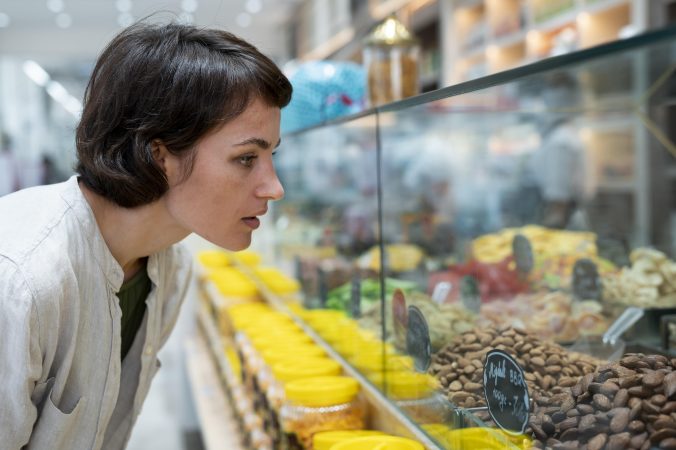
Spend like you’re feeding your inner kid, not letting yesterday’s scarcity write today’s script.

Add VegOut to your Google News feed. 
We don’t just buy things—we settle scores with our past.
If you grew up counting grapes, eyeing brand logos from the sidelines, or learning that “good enough” was the only option, adulthood turns the checkout line into a quiet redemption arc.
Some of our splurges are practical; many are emotional IOUs we’ve been holding since middle school.
Let’s look at ten things we finally buy now—and how to make each one feel like real progress, not just a pricier rerun.
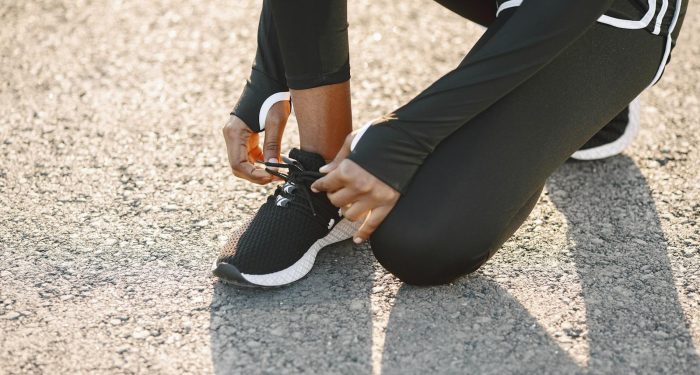
1. Brand-name sneakers
When I was a kid, I could tell you which shoes were “in” just by the corridor soundtrack.
Air bubbles squeaked. Logos flashed. Mine were always the off-brand cousins.
If you buy the premium pair now, I get it. There’s status in the swoosh and comfort in that first unboxing.
But here’s the check I use on myself: am I buying the tech or the story? If I really want the cushioning or the build, great. If I’m paying triple just to silence an old cafeteria sting, I try to say that out loud. Naming it helps me stop the endless chase and pick the right pair for my actual feet and life.
Losses loom larger than gains. Scarcity memories can make us overcorrect. So splurge if you like—just don’t let yesterday’s loss drive today’s cart.
2. The real cereal
Did you grow up comparing cartoon mascots you never met at home? Same.
I buy the “real” cereal sometimes now. And yes, I eat it straight from the box like a feral kid watching Saturday morning replays.
Two nudges for future-you: one, check the serving size fantasy. Two, if you’re plant-based like me, pour it under a good oat or soy milk and call it joy.
You’re not twelve anymore. You can eat the branded loops and still keep your energy steady the rest of the day.
3. Fresh produce without counting every grape
My family used to treat grapes like gemstones.
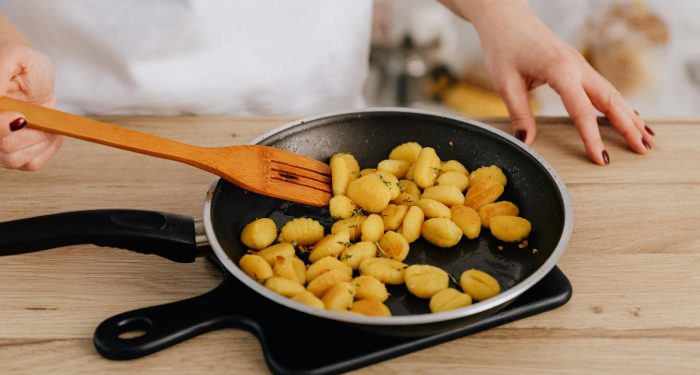
Now I stroll past the bulk bins and toss berries, herbs, and those absurdly perfect cherry tomatoes into the basket without bargaining in my head.
If this is you too, savor it. Cooking with abundant produce is one of the best forms of everyday luxury.
When I want to keep the bill sane, I aim for seasonal, local, and versatile. A bunch of kale goes from sauté to smoothie to soup. A bag of frozen mango turns into breakfast, dessert, and a quick sauce over tofu tacos
. The point isn’t austerity. It’s strategy—so you can say yes to abundance in ways your body actually feels.
4. The premium coffee
I used to drink whatever was free. Or worse, whatever was left.
Now I’ll happily pay for beans with tasting notes that sound like a wine snob’s secret diary.
Is that silly? A little. Is it beautiful? Absolutely. That first cup becomes a small morning ritual: grind, bloom, breathe.
If your budget is tight, you can still honor the ritual. Better water, a decent grinder, patience. The quality jump is real. As Warren Buffett said, “Price is what you pay; value is what you get.”
I think about that before I upgrade the machine when a better technique might give me 80% of the pleasure for 20% of the price.
5. Books in hardcover
We had libraries. We didn’t have stacks of new hardcovers.
So yes, I buy them now. The weight, the dust jacket, the instant underline because it’s mine—there’s a ceremony to it that Kindle doesn’t touch.
But I set one guardrail. If I’m hoarding more than I’m highlighting, I pause.
The flex isn’t the shelf; it’s the shelf that changes you. I’ve mentioned this before but personal development isn’t measured in ownership.
It’s measured in evidence: ideas you try, behaviors you upgrade, tradeoffs you challenge.
If a hardcover reminds you that you’re a person who thinks for a living, keep that flame. Rotate a few back to the library or a friend when you’re done. Let the ideas circulate like good air.
6. Concert tickets that don’t require binoculars
There’s a specific joy in finally seeing your favorite band from a seat that doesn’t need a telescope and a prayer.
When I splurge here, I think in memories per dollar. Will I talk about this night in ten years? If the answer’s “maybe,” I save the cash and find a great livestream.
But when it’s a musician who soundtracked a hard season, I buy the good seat and sing like my younger self is finally allowed to be loud.
If you’re vegan and touring venues are sketchy on food, eat before, stash a bar, and focus on the music. You’re there for a once-in-a-lifetime set, not a once-in-a-lifetime soft pretzel.
7. Clothes that fit your current self
Hand-me-downs taught many of us a weird rule: fit is optional.
Now, buying clothes that truly fit can feel like rebellion. Tailoring, too. That tiny seam adjustment is the least glamorous purchase with the biggest confidence return.
Here’s a question I ask in the mirror: does this feel like me, now, not me trying to fix an old memory? The distinction matters. The past you couldn’t choose your pants. The present you can choose your values.
Opt for fewer, better pieces. They’ll carry more stories than a closet full of “almosts.”
8. Kitchen gear you once side-eyed
Growing up, we had one pan that did everything, and by “everything” I mean stuck to everything.
These days I’m not above a well-seasoned cast iron and a sheet pan that won’t warp at 425°F. A sharp chef’s knife feels like an adult diploma.
If your cooking is plant-forward, the right gear multiplies your options. A basic blender gets you smoothies; a good one turns cashews into cream and tomatoes into velvet soup.
You don’t need the internet’s entire arsenal. A few honest tools + practice will make your kitchen the most generous room in your home.
Also, if a fancy gadget sits there like a trophy, consider selling it and buying the humble tool you’ll use nightly. Utility is the elegance you’re actually after.
9. Travel upgrades that trade time for ease
We couldn’t afford early boarding, pre-check, or a seat that didn’t punish tall people.
Now, when a small fee buys me an hour of sanity, I pay it. Not every time, but often enough to notice my shoulders.
Here’s my framework. If the upgrade gives me time back to read, reset, or arrive like a human instead of a crumpled napkin, I’m in. If it’s just optics, I pass.
And when I land, I spend on experiences over ornaments. A bike tour with a local guide. A long walk through a public garden. A small café that takes plant milk seriously. Stuff fades. Stories stay.
10. Therapy, coaching, or courses you once assumed were “for other people”
We didn’t always have money for the “soft” side of growth.
So we learned to white-knuckle. We powered through. And sometimes we stayed stuck longer than we needed to.
Buying support now isn’t indulgent. It’s intelligent. As Chuck Palahniuk wrote, “The things you own end up owning you.”
That applies to patterns too. A few sessions can untangle habits you’ve been dragging around for decades.
If formal therapy isn’t accessible where you are, books, peer groups, sliding-scale clinics, and community courses can be lifelines. The bravest purchase is often permission to change your mind.
So… what are you really buying?
If there’s a theme here, it’s repair.
Sometimes we buy the thing because we couldn’t before. Other times we buy what that thing promises: belonging, ease, proof we’re okay now.
Neither is wrong. But awareness is the difference between a purchase and a pattern.
A few prompts I keep in my notes app:
-
What feeling am I trying to buy right now?
-
Is there a simpler, cheaper way to get it today?
-
If twelve-year-old me could see this, what would I hope they notice about how I treat myself?
A lot of us grew up in rooms where money was a hush or a fight.
We’re adults now. We can speak kindly to our inner kid and spend with intention. We can buy the sneakers, sip the good coffee, take the good seat—without letting yesterday’s scarcity write today’s script.
Enjoy the wins. Feed yourself well.
And when you do pull out the card, make sure it’s paying for the life you actually want, not just the one you once wished you had.