A tested plant-based recipe from Oliver Park

Add VegOut to your Google News feed. 
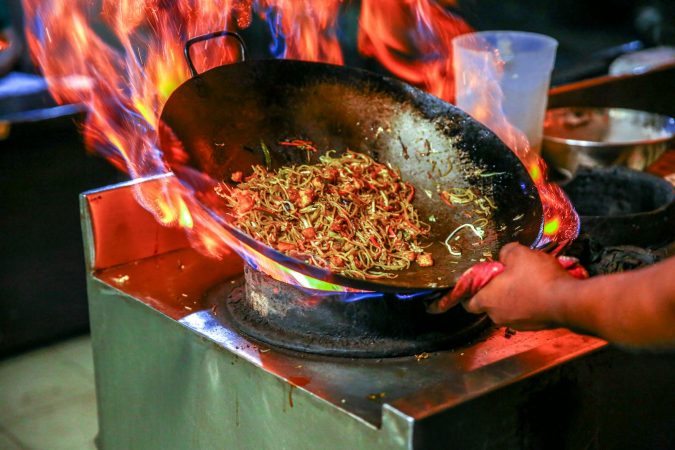
Growing up, I spent most afternoons after school behind the counter of my parents' grocery store in Portland, surrounded by ingredients I didn't fully appreciate until years later — gochugaru in bulk bags, fresh ginger by the crate, sesame oil in every size imaginable. That pantry is basically the DNA of this recipe. It's the kind of thing I throw together on a Tuesday when I'm tired but still want something that tastes like I tried. The secret is a sauce that hits every note — salty, sweet, spicy, a little funky — and noodles that get just enough time in a screaming-hot pan to crisp at the edges.
The snap peas matter here more than you think. Blistering them fast in a ripping-hot wok (or your largest skillet) does two things: it keeps them snappy and bright green, and it gives them those charred spots that make you eat three off the pan before they ever reach the noodles. Don't crowd the pan. If your snap peas are steaming instead of sizzling, you've got too many in there at once. Work in batches if you need to. This is one of those small moves that separates a good version from a great one.
Twenty minutes is real, by the way — not aspirational. I've timed this dozens of times in my own kitchen, which has a pretty standard gas range, not the commercial burners I got used to during my decade in professional kitchens. The trick is getting your water boiling first and building the sauce while the noodles cook. Everything converges at the end. It's a weeknight move that earns you leftovers worth fighting over. If you're looking for more dinners in this vein, take a look at these one-pan vegan dinners that follow the same philosophy: maximum payoff, minimum cleanup.
Servings: 2–3
Prep Time: 8 minutes
Cook Time: 12 minutes
Difficulty: Easy
Ingredients
Noodles & Vegetables
- 8 oz (225g) dried lo mein noodles or Chinese wheat noodles (see notes for subs)
- 8 oz (225g) sugar snap peas, strings removed
- 3 scallions, thinly sliced (white and green parts separated)
- 2 cloves garlic, minced
- 2 tablespoons neutral oil (avocado or grapeseed), divided
Sauce
- 2 tablespoons soy sauce or tamari
- 1 tablespoon toasted sesame oil
- 1 tablespoon rice vinegar
- 1 tablespoon maple syrup
- 2 teaspoons freshly grated ginger (about a 1-inch knob)
- 1 teaspoon sambal oelek or chili garlic sauce (adjust to taste)
- 1 teaspoon cornstarch
Finishing
- 2 teaspoons toasted sesame seeds
- Lime wedges, for serving
- Fresh cilantro (optional, depending on your taste preference)
Instructions
- Start the water. Bring a large pot of salted water to a boil. This is step one — everything else builds around it.
- Build the sauce. While the water heats, whisk together the soy sauce, sesame oil, rice vinegar, maple syrup, grated ginger, sambal oelek, and cornstarch in a small bowl until the cornstarch is fully dissolved. Set aside.
- Cook the noodles. Once boiling, cook the noodles according to package directions, usually 4–5 minutes. You want them just barely done — they'll cook more in the pan. Drain, rinse briefly with cool water to stop the cooking and remove excess starch, then toss with about half a teaspoon of neutral oil to prevent sticking.
- Blister the snap peas. While the noodles cook, heat 1 tablespoon of neutral oil in your largest skillet or wok over high heat until it just begins to smoke. Add the snap peas in a single layer — do not touch them for 60–90 seconds, until you see char marks forming on the undersides. Toss once and cook another 30–45 seconds. Transfer to a plate immediately.
- Crisp the noodles. Return the same pan to high heat with the remaining 1 tablespoon of oil. Add the drained noodles and spread them out. Let them sit undisturbed for 2 minutes — this is where the crispy edges happen. Resist the urge to stir. After 2 minutes, toss and let them crisp for another minute.
- Bring it together. Add the garlic and scallion whites to the pan with the noodles and stir for 30 seconds, until fragrant. Give the sauce a quick re-whisk (the cornstarch settles), then pour it into the pan. Toss everything vigorously for about 1 minute. The sauce will thicken and coat the noodles with a light glaze.
- Finish. Return the snap peas to the pan and toss gently just to combine and warm through — about 15 seconds. You don't want them to lose their crunch. Transfer to bowls. Top with scallion greens, sesame seeds, a squeeze of lime, and cilantro if using.
Notes & Tips
- Noodle swaps: No lo mein noodles? Ramen noodles (the good dried kind, not instant) work well, as do udon or even spaghetti in a pinch. Rice noodles are trickier — they won't crisp the same way.
- The pan matters. A carbon steel wok is ideal. A large cast iron skillet is second best. Nonstick will work but won't give you the same crispy bits — the trade-off is easier cleanup.
- Make it a bigger meal: Add cubed extra-firm tofu (pressed, then pan-fried separately until golden) or edamame for protein. Toss them in at the same stage as the snap peas.
- Leftovers: Store in an airtight container for up to 3 days. Reheat in a hot skillet with a splash of water and a drizzle of sesame oil. The microwave works but kills the crispiness, just so you know.
- Sambal oelek is available in most grocery stores near the Sriracha. If you can't find it, use half a teaspoon of red pepper flakes sizzled in the oil before adding the noodles.
If You Were a Healing Herb, Which Would You Be?
Each herb holds a unique kind of magic — soothing, awakening, grounding, or clarifying.
This 9-question quiz reveals the healing plant that mirrors your energy right now and what it says about your natural rhythm.
✨ Instant results. Deeply insightful.