Three generations, one press, and the day I finally added black sesame.
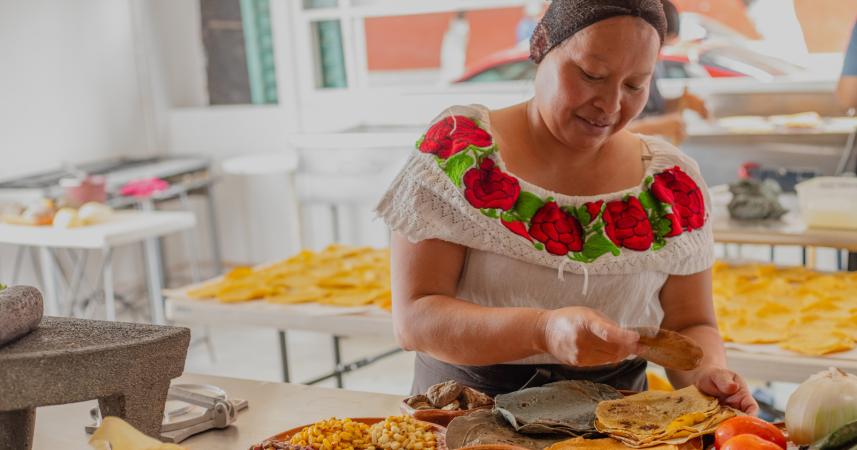
The first time I changed my grandmother's tortilla recipe, my hand shook as I reached for the black sesame seeds. It was a Tuesday afternoon in my own kitchen, six months after she died, and I could still hear her voice: "Así no, mija. Like this." The seeds hit the masa like tiny rebellions.
As I wrote recently about the complex dynamics of family dinners, the tortilla press in our family has always been more than a kitchen tool—it's a referee, a bridge, a test of loyalty. This recipe carries all of that weight, plus something heavier: the terrible freedom that comes when the keeper of tradition is gone, and you're left holding both the recipe and the right to change it.
The original: Abuela's corn tortillas
Yield: 12-14 tortillas
Time: 40 minutes (including rest)
My grandmother learned this recipe from her mother in Michoacán, who learned it from her mother, who probably learned it from hers. No one ever wrote it down until I did, translating her handfuls and pinches into measurements that would horrify her.
Ingredients
- 2 cups masa harina (she'd insist on fresh masa from the molino, the corn mill, but we make compromises)
- 1¼ to 1½ cups warm water
- 1 teaspoon salt
- My addition: 1 tablespoon black sesame seeds, 1 teaspoon hibiscus salt (dried jamaica flowers ground with sea salt)
The method she taught me
1. Mix the masa Combine masa harina and salt in a bowl. Add water slowly—"como la lluvia, poco a poco"—until the dough feels like your earlobe. (This is a real instruction. Every Mexican grandmother apparently teaches this. Your earlobe is the perfect tortilla dough consistency.)
2. Rest it Let it sit for 30 minutes, covered with a damp towel. "The masa needs to remember what it's supposed to become," she'd say, which I thought was poetry but might have been science.
3. Test the dough Roll a small ball, about the size of a golf ball. Press it. If the edges crack, it needs more water. If it sticks to your hands, it needs more masa. If it's perfect, it feels like possibility.
4. Press Place the ball between plastic sheets in the tortilla press. Press down with authority but not anger—"con fuerza, pero no con coraje." The thickness of an old peso coin, she'd say, though those coins are long gone now.
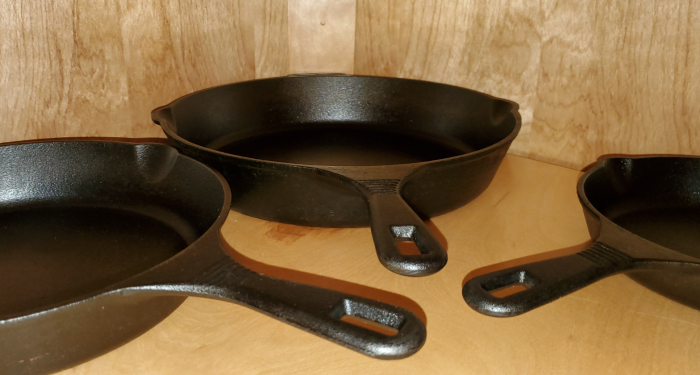
5. Cook Heat a comal or cast-iron skillet until water dances on it (about 400°F). Cook the tortilla for 30 seconds until the bottom just starts to show brown spots. Flip. Cook for 30 seconds more. Then flip once more and watch for the puff—that magical moment when steam creates a pocket inside. That's when you know it's ready.
6. Keep warm Stack in a clean kitchen towel, where they'll steam each other into perfection. They'll keep warm for an hour, or store in the fridge for up to three days.
When tradition met rebellion
The black sesame seeds were an accident at first. I was making tortillas and tahini-crusted salmon on the same night, and the seeds fell into the masa. I almost threw out the whole batch. Instead, I pressed one, cooked it, tasted it. The nuttiness was subtle, unexpected—like finding a new note in a familiar song. They added an earthy depth, a visual surprise against the pale corn.
The hibiscus salt came later, after a trip to Oaxaca where I learned that tradition there looks different than tradition here. That maybe tradition itself is just innovation that's been around long enough to seem permanent.
Now when I make these tortillas—my grandmother's but not quite—I think about that empty chair at our family table, how we eventually learned to let someone new sit there. How honoring the past doesn't mean preserving it exactly as it was.
The three versions
My grandmother's: Pure, simple, unchanged since Michoacán. Made with fresh masa from the Mexican grocery store that knew her by name.
My mother's: A compromise with convenience. Masa harina from the bag, but everything else exactly as taught. She adds an extra minute to the resting time when she's stressed.
Mine: The seeds. The hibiscus salt. Sometimes I add a touch of olive oil for flexibility. Sometimes I make them smaller—4 inches instead of 6—for street tacos. Each change feels both like betrayal and evolution.
What I know now
Last week, my mother watched me make tortillas with the black sesame seeds. She said nothing at first, just observed. Then, as I pressed the tenth one, she said, "She would have hated those."
I nodded. "I know."
"But they're beautiful," she added, picking one up, examining the specks like stars against the corn sky. "Maybe she would have tried them. Eventually."
We'll never know. That's the thing about inheriting recipes—you also inherit the questions. Would she approve? Does it matter? Is keeping something exactly the same the best way to honor it, or is adaptation its own form of respect?
What I do know is this: every Sunday, I make tortillas. Sometimes with sesame seeds, sometimes without. The press still sits between my mother and me when we cook together, but now we see it as a bridge, not a barrier. Each tortilla is a small decision about what to carry forward and what to let evolve.
The recipe isn't just about the food. It never was. It's about the conversation between generations—the one that happens with hands and masa and the careful transfer of knowledge that changes even as we try to keep it the same.
My grandmother's tortillas were perfect. Mine are different. Both are love.
Maya Flores is a culinary writer shaped by her family's multigenerational taquería heritage. This recipe is part of a larger story about family, food, and the battles we fight at the dinner table, which you can read here.
What’s Your Plant-Powered Archetype?
Ever wonder what your everyday habits say about your deeper purpose—and how they ripple out to impact the planet?
This 90-second quiz reveals the plant-powered role you’re here to play, and the tiny shift that makes it even more powerful.
12 fun questions. Instant results. Surprisingly accurate.