Stop scrolling through recipes. These simple frameworks turn meal planning from daily stress into automatic systems.
Standing in front of the fridge at 6 PM, brain already fried from the day's decisions, you ask yourself the worst question in modern life: What's for dinner?
The average person makes over 35,000 decisions daily, and roughly 200 of those are about food. By evening, your decision-making capacity is shot.
Here's what changed things eight years into plant-based eating: formulas. Not recipes. Formulas.
Think about it. You don't need 500 recipes. You need seven solid frameworks that work with whatever's in your kitchen.
These are the systems that ended my dinner panic for good.
1. The bowl formula
This is the one that saved me.
Bowl formulas follow a simple structure: grain + protein + vegetables + sauce + crunch. That's it. Five components, infinite variations.
My go-to? Quinoa, chickpeas roasted with smoked paprika, whatever vegetables survived my produce drawer (usually kale and cherry tomatoes), tahini sauce, and toasted pepitas on top.
Same formula, different night? Brown rice, black beans, roasted sweet potato, avocado-lime dressing, crushed tortilla chips.
The genius is in the framework. Once you've got those five categories locked in, you're just mixing and matching based on what you have. No recipe hunting. No analysis paralysis.
I make this three times a week and it never feels repetitive because I rotate the components. It's become a household staple that even non-vegan partners tend to request.
2. The pasta matrix
Pasta isn't just comfort food. It's a decision-reducing machine.
Formula: Pasta shape + sauce base + vegetables + protein + finishing element.
Here's the beautiful part about plant-based pasta: you can batch-cook components on Sunday and assemble meals in under 10 minutes all week.
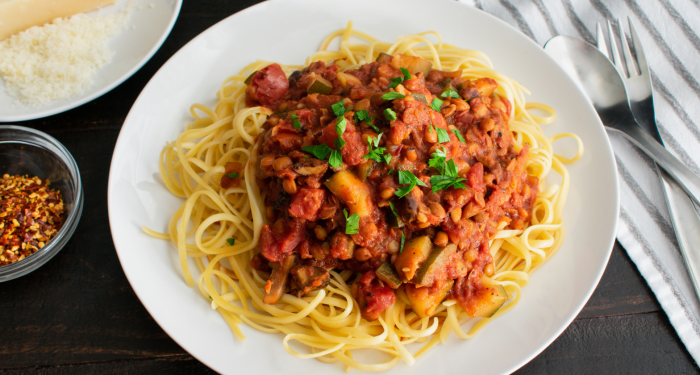
I keep three sauce bases in rotation. Red (marinara with nutritional yeast), green (basil-walnut pesto), and white (cashew cream). Each takes maybe 15 minutes to make and keeps for days.
Then it's just heating pasta, tossing in whatever vegetables need using, adding some white beans or crumbled tempeh, and finishing with fresh herbs or lemon zest.
The pasta shape matters more than you'd think. Penne holds chunky sauce. Spaghetti works with oil-based. Shells catch every bit of creamy sauce. Match your shape to your sauce and you've elevated the whole experience.
3. The wrap system
Wraps are underrated as a formula-based meal system.
The formula: Wrap + spread + protein + raw vegetables + pickled element + sauce.
What makes this work is the texture contrast. You need something creamy (hummus, mashed avocado), something crunchy (shredded cabbage, carrots), something tangy (pickled onions, kimchi), and something rich (marinated tofu, seasoned lentils).
I prep ingredients Sunday afternoon. Chop vegetables, make hummus, quick-pickle some red onions in rice vinegar. Throughout the week, assembly takes literally three minutes.
The spread creates the moisture barrier so your wrap doesn't get soggy by lunch. That's the pro move nobody tells you about.
Rotate your wraps too. Whole wheat tortillas one day, collard greens the next, nori sheets when you're feeling adventurous. Same formula, completely different eating experience.
4. The soup equation
Soup is my secret weapon for those weeks when even the bowl formula feels like too much effort.
Base formula: Aromatics (onion, garlic, ginger) + liquid (vegetable broth, coconut milk) + bulk vegetables + protein (lentils, beans) + seasoning profile.
The beauty of soup is everything cooks together while you do something else. Chop, dump, simmer, done.
I rotate through three seasoning profiles. Italian (oregano, basil, red pepper flakes), Asian (ginger, soy sauce, sesame oil), and Mexican (cumin, chili powder, lime).
Same vegetables, same lentils, different spice combo? Completely different soup. Your brain registers it as variety even though you're working the same formula.
Plus, soup freezes beautifully. Make a huge batch, portion it out, and you've got emergency dinners for weeks when decision fatigue is at its peak.
5. The sheet pan strategy
This is the formula for when you want to feel like you cooked but don't want to think.
Formula: Protein + 2-3 vegetables + fat + seasoning blend + grain (cooked separately).
Everything goes on one pan. Everything roasts at 425°F. Timing varies by ingredient, but you're talking 25-35 minutes for most combinations.
I rotate through different combinations throughout the week. Chickpeas and cauliflower with curry powder. Tofu and Brussels sprouts with balsamic glaze. Tempeh and root vegetables with rosemary.
The key is cutting everything roughly the same size so it finishes simultaneously. Larger pieces for sweet potato, smaller for bell peppers. After a few rounds, it becomes intuitive.
While the oven handles dinner, I cook quinoa or farro on the stovetop. Twenty minutes later, you've got a complete meal with minimal active cooking time.
6. The taco template
Tacos aren't just Tuesday anymore. They're a full system.
Formula: Shell + protein + toppings bar + sauce.
This is the formula I use when others want to feel involved in cooking but you need it to be foolproof. Set up components, everyone builds their own, zero stress.
For plant-based tacos, I rotate proteins. Seasoned black beans, walnut "meat" (toasted walnuts with cumin and chili powder, weirdly convincing), crispy chickpeas, or scrambled tofu.
The toppings bar is where it gets fun. Shredded cabbage, diced tomatoes, sliced radishes, pickled jalapeños, cilantro, lime wedges. Everything's fresh, everything's optional.
Sauces make or break tacos. I keep three in rotation: cashew sour cream, avocado-lime crema, and smoky chipotle sauce. Each takes five minutes to blend and transforms the entire experience.
Corn tortillas, flour tortillas, or lettuce wraps depending on the mood. Same components, different vessel, brain registers it as a new meal.
7. The stir-fry framework
This is the fastest formula in my arsenal. Start to finish in 15 minutes if you've got components prepped.
Formula: Aromatics + protein + vegetables + sauce + serving base.
The technique matters here. Hot wok, cook in batches, don't overcrowd. But the formula stays consistent.
I prep vegetables Sunday, keep them in containers, grab whatever combination appeals that night. Broccoli, snap peas, bell peppers, mushrooms, whatever works.
For protein, I rotate between firm tofu (pressed and cubed), tempeh (steamed first, then cubed), or edamame for the quickest option.
The sauce is where you control the flavor profile. Basic stir-fry sauce is soy sauce, rice vinegar, garlic, ginger, and a touch of maple syrup. Adjust ratios, add chili paste for heat, or sesame oil for richness.
Serve over rice, noodles, or cauliflower rice. Same stir-fry, different base, your brain thinks it's a new meal.
The psychology behind why this works
Here's what nobody tells you about meal planning: your brain doesn't want infinite options. It wants clear frameworks with room for variation.
Decision fatigue is real, and dinner is where it peaks. By the time evening hits, you've depleted your daily decision-making capacity on everything from emails to what to wear.
Formulas eliminate 90% of the decisions while preserving the feeling of choice. You're not eating the exact same meal repeatedly, you're working a system with built-in variation.
I used to spend 20 minutes every night scrolling through recipes, trying to figure out what to make. Now I spend zero. I glance at my fridge, pick a formula, and I'm cooking within five minutes.
That mental energy you once burned on "what's for dinner?" can now go toward things that actually matter. Creative projects. Learning. Actual cooking when you feel inspired, not desperate.
Final thoughts
These seven formulas cover every dinner scenario I've encountered in eight years of plant-based eating.
Bowl for meal prep Sundays. Pasta for comfort food nights. Wraps for grab-and-go. Soup for set-it-and-forget-it ease. Sheet pan for hands-off cooking. Tacos for social meals. Stir-fry for speed.
The first week feels mechanical. You're learning the systems. By week three, it's automatic. By week six, you've stopped asking "what's for dinner?" because you already know the answer.
Pick two formulas this week. Just two. Master those before adding more. Your future self, standing in front of the fridge at 6 PM, will thank you.
If You Were a Healing Herb, Which Would You Be?
Each herb holds a unique kind of magic — soothing, awakening, grounding, or clarifying.
This 9-question quiz reveals the healing plant that mirrors your energy right now and what it says about your natural rhythm.
✨ Instant results. Deeply insightful.