When you find a recipe that works every single time, you stop looking for alternatives and start counting how many times you've made it.
I'm not exaggerating about the 47 times. I actually started keeping track around number 15 because I realized I was making this stir-fry at least twice a week and had been for months.
The reason? It's genuinely foolproof. The vegetables always come out crisp, the sauce always tastes balanced, and I've never once scraped a disappointing plate into the compost bin.
The secret is in the technique more than the ingredients. You're building layers of flavor and texture in a specific order. Once you get the rhythm down, you can make this half-asleep on a Tuesday night.
Ingredients
For the sauce:
- 3 tablespoons soy sauce or tamari
- 2 tablespoons rice vinegar
- 1 tablespoon maple syrup
- 1 tablespoon cornstarch
- 2 teaspoons sesame oil
- 1 teaspoon sriracha (or more if you're feeling it)
- 2 cloves garlic, minced
- 1 teaspoon fresh ginger, grated
For the stir-fry:
- 2 tablespoons neutral oil (grapeseed or vegetable)
- 1 block (14 oz) extra-firm tofu, pressed and cubed
- 1 red bell pepper, sliced
- 1 cup broccoli florets
- 1 cup snap peas
- 3 green onions, cut into 1-inch pieces
- Cooked rice or noodles for serving
- Sesame seeds for garnish
Instructions
1. Mix all sauce ingredients in a small bowl and set aside. The cornstarch will thicken everything later, so whisk it well to avoid lumps.
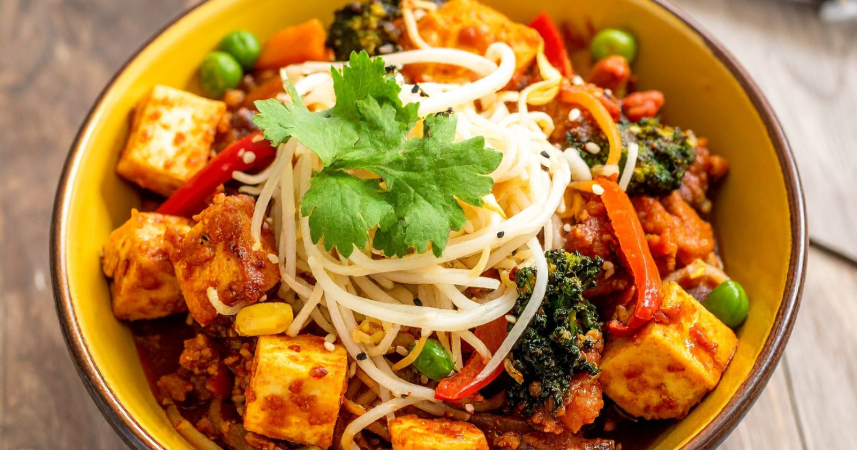
2. Heat 1 tablespoon of oil in a large wok or skillet over high heat. Add the tofu cubes in a single layer. Let them sit undisturbed for 2-3 minutes until golden brown on one side, then flip and brown the other side. Remove tofu and set aside.
3. Add the remaining tablespoon of oil to the same pan. Toss in the broccoli and bell pepper first since they take longest. Stir-fry for 2 minutes.
4. Add snap peas and stir-fry for another minute. Everything should still have some crunch. If your pan seems dry, add a splash of water instead of more oil.
5. Return the tofu to the pan along with the green onions. Pour the sauce over everything and toss constantly for about 1 minute until the sauce thickens and coats everything evenly.
6. Serve immediately over rice or noodles. Top with sesame seeds.
Why this works every time
The key is cooking each component at the right heat for the right amount of time. Tofu gets crispy when you leave it alone. Vegetables stay crisp when you work fast. The sauce comes together at the end so nothing gets soggy.
I've made this with whatever vegetables I have around. Carrots, mushrooms, bok choy, zucchini. The formula stays the same: harder vegetables go in first, softer ones follow, leafy greens go in last.
As long as you keep the pan screaming hot and keep things moving, you're golden.
Tips and variations
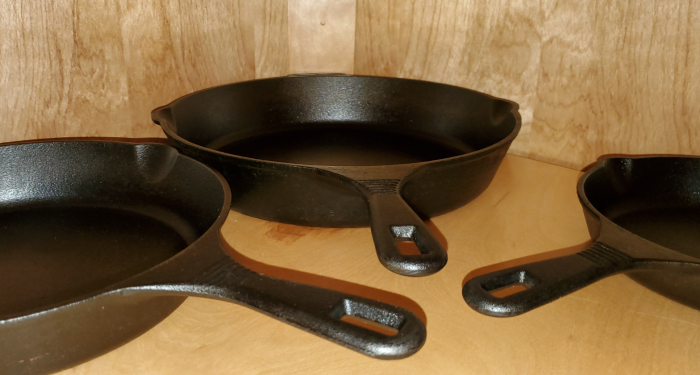
Press your tofu for at least 15 minutes before cooking. I wrap mine in a kitchen towel and set a cast iron pan on top. The drier it is, the crispier it gets.
If you want to meal prep this, cook the components separately and store them in different containers. The sauce keeps for a week in the fridge. Reheat everything together in a hot pan rather than the microwave.
For a nut-free version that still has richness, add a tablespoon of tahini to the sauce. For extra protein, toss in some edamame with the snap peas. Sometimes I'll add a handful of cashews at the very end just for texture.
The 47 times I've made this, I've probably used the exact same vegetables maybe 10 times. The rest were variations based on what looked good at the store or what was dying in my crisper drawer. It always works.
What’s Your Plant-Powered Archetype?
Ever wonder what your everyday habits say about your deeper purpose—and how they ripple out to impact the planet?
This 90-second quiz reveals the plant-powered role you’re here to play, and the tiny shift that makes it even more powerful.
12 fun questions. Instant results. Surprisingly accurate.