The difference between a home cooked meal and a restaurant quality dish often comes down to one thing, how well it is seasoned.
Even the simplest dish can taste like restaurant food with the right seasoning.
You do not need fancy ingredients or professional tools to cook like a chef.
What separates home cooking from great cooking often comes down to how flavors are built and balanced.
Professional chefs know that seasoning is more than just salt and pepper, it is about layering flavor, adding depth, and making every bite come alive.
Here are seven seasonings that experts reach for when they want to turn an ordinary meal into something unforgettable.
1. Smoked paprika
Smoked paprika adds an instant depth that regular paprika cannot match.
It has a rich, earthy flavor that gives even basic dishes a slow cooked taste.
Chefs use it on everything from roasted vegetables to grilled meats because it mimics the flavor of real smoke without needing a grill.
You can sprinkle it into soups, stews, or sauces for a subtle warmth that ties the dish together.
It is especially good in plant based meals where it replaces the savory punch of bacon or sausage.
A little goes a long way, so start with a small pinch and build up from there.
2. Garlic powder
Garlic powder is one of the simplest but most effective ways to add complexity to a dish.
It gives food a deep umami flavor that fresh garlic sometimes cannot provide on its own.
Unlike raw garlic, it mixes evenly into marinades, spice blends, and dry rubs without burning.
Chefs use it as a base for seasoning meats, roasted potatoes, and pasta sauces.
It is also great for balancing sweetness or acidity in tomato based dishes.
Keeping a good quality garlic powder in your pantry guarantees your food will never taste flat.
3. Cumin
Cumin is one of those seasonings that instantly makes food taste more interesting.
It has a warm, slightly smoky flavor that pairs beautifully with both savory and spicy dishes.
Chefs use it to build depth in chili, tacos, lentil soups, and roasted vegetables.
When toasted lightly before adding to a recipe, it releases its natural oils and doubles in flavor.
Cumin is also key in many global cuisines from Mexican to Indian cooking.
It adds an aromatic layer that makes every bite feel more intentional.
4. Chili flakes
Chili flakes add heat, but more importantly they add character.
A small sprinkle can wake up a dish without overpowering it.
Chefs use them to bring balance and brightness to rich or creamy foods.
They are perfect for pasta, pizza, roasted vegetables, or even avocado toast.
The heat encourages your palate to pick up other flavors more sharply.
If you like things mild, try Aleppo pepper or Korean gochugaru for a softer kick.
5. Lemon zest
Lemon zest might not sound like a seasoning, but chefs use it exactly that way.
It adds freshness, brightness, and aroma that salt alone cannot deliver.
A little zest on grilled vegetables, seafood, or pasta brings the whole dish to life.
The oils in the lemon peel release a clean, citrusy note that cuts through heavy flavors.
It works as well in savory meals as it does in desserts.
For best results, zest the lemon right before serving so the flavor stays vibrant.
6. Freshly cracked black pepper
Not all pepper is created equal.
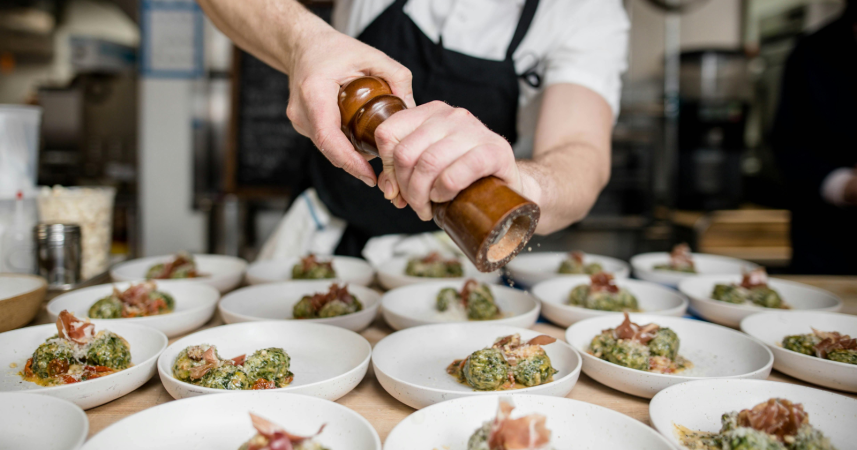
Chefs always use freshly cracked pepper because it releases natural oils that pre ground pepper has long lost.
It adds subtle heat, depth, and aroma that rounds out both savory and sweet dishes.
A quick twist of the grinder over salads, meats, or soups instantly sharpens flavor.
The key is balance, too much pepper can dominate the dish instead of enhancing it.
High quality peppercorns can make a world of difference in your cooking.
7. Sea salt or flaky finishing salt
Salt is the foundation of good cooking, but not all salt should be used the same way.
Chefs season food with regular salt during cooking, then finish with a pinch of flaky salt at the end.
It adds texture, sparkle, and an extra layer of flavor that makes the dish taste professional.
Flaky sea salt works beautifully on grilled meats, roasted vegetables, and even chocolate desserts.
The contrast between crunch and smoothness brings food to life.
It is the easiest way to make simple meals taste intentional and elevated.
The bigger picture
Great cooking is not about using dozens of spices, it is about knowing how to use a few well.
These seven seasonings build flavor in layers, turning plain ingredients into something rich and satisfying.
Once you start experimenting with them, you will notice that you rely less on sauces or heavy dressings.
Seasoning food properly is what makes even the most humble dish feel special.
The best chefs in the world do not rely on secrets, they rely on balance.