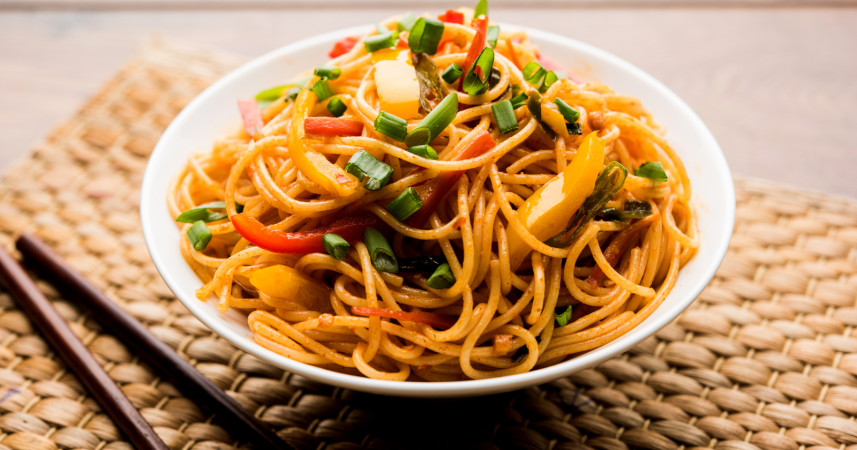
A creamy, spicy, and satisfying noodle bowl that proves sustainability can start with a single pantry ingredient and a dash of curiosity.

Add VegOut to your Google News feed. 
One Tuesday night, I opened my fridge to a half jar of peanut butter, a few stray noodles from last night’s stir-fry, and a pile of carrots that had seen better days.
I wasn’t feeling inspired, just hungry. But as the garlic hit the pan and the smell of chili oil filled the kitchen, I remembered how often good meals begin with improvisation.
By the time I sat down, I had a bowl of spicy, creamy noodles that tasted better than anything I’d planned. My sons still talk about that night: “Mom, what was that sauce?”
It became our family’s go-to comfort meal, fast, flexible, and surprisingly full of flavor. And over time, I realized this noodle bowl wasn’t just a quick fix.
It was an example of how plant-based cooking can be simple, deeply satisfying, and quietly transformative.
Why this noodle bowl deserves a spot in your rotation
This recipe comes together in under 25 minutes and requires only pantry staples: peanut butter, soy sauce, lime, garlic, and chili oil.
It’s creamy and rich without any dairy, full of umami without meat, and endlessly customizable depending on what vegetables you have.
Peanuts also happen to be one of the most sustainable protein sources on the planet. Compared to beef or dairy, they require dramatically less water and land, yet pack in fiber, iron, and heart-healthy fats.
Small swaps like this don’t just lighten our environmental footprint; they keep dinner fast and flavorful.
Ingredients (serves 3–4)
For the sauce:
- ½ cup natural peanut butter (smooth or chunky)
- 3 Tbsp low-sodium soy sauce or tamari
- 2 Tbsp lime juice (freshly squeezed)
- 1 Tbsp maple syrup or brown sugar
- 1 Tbsp rice vinegar
- 2 cloves garlic, grated or minced
- 1 tsp grated ginger
- 1–2 tsp chili oil (adjust to spice preference)
- ¼ cup warm water (plus more as needed for consistency)
For the noodles:
- 8 oz soba, rice, or whole-wheat noodles
- 1 cup shredded carrots
- 1 cup red cabbage, thinly sliced
- ½ cup bell pepper, thinly sliced
- ½ cup cucumber ribbons or matchsticks
- ½ cup cooked edamame or cubed tofu
- 2 Tbsp toasted sesame oil
For garnish:
- Chopped cilantro or scallions
- Crushed roasted peanuts
- Lime wedges
- Extra chili oil or sesame seeds (optional)
Step 1: Cook your noodles
Bring a large pot of water to a boil and cook your noodles according to the package directions. Drain and rinse them under cold water to stop the cooking process, especially if you’re using soba or rice noodles, which can turn sticky fast.
Toss them lightly with sesame oil to keep them glossy and separate while you prepare the rest.
Tip: I’ve found that whole-wheat spaghetti works beautifully here when I’m out of Asian noodles. It soaks up the sauce just as well and gives the dish a bit more chew.
Step 2: Whisk your sauce to perfection
In a medium bowl, combine peanut butter, soy sauce, lime juice, maple syrup, rice vinegar, garlic, ginger, and chili oil. Whisk until smooth, then slowly add warm water to loosen. The sauce should be creamy enough to coat a spoon but thin enough to pour.
Taste and adjust: add more lime if you want brightness, a drizzle of maple syrup for balance, or a touch more chili oil for heat.
When I first made this, I used regular supermarket peanut butter. It worked fine, but once I switched to natural peanut butter with no added sugar, the flavors really sang. The natural oils help emulsify the sauce, giving it that restaurant-style gloss.
Step 3: Prep your vegetables
While the noodles cool, slice your vegetables. I like using a mix of textures: crunchy carrots, crisp bell peppers, and soft cucumber ribbons. The contrast keeps every bite interesting.
If you prefer a warmer version, toss the veggies briefly in a hot pan for one or two minutes, just enough to soften them without losing color or crunch.
Add tofu or edamame for extra protein.
The beauty of this dish is its flexibility. I’ve swapped in snap peas, spinach, even leftover roasted cauliflower. Whatever’s seasonal or sitting in your
crisper drawer usually works perfectly.
Step 4: Combine and toss
Place the noodles in a large mixing bowl, pour the sauce over, and add your vegetables and protein. Use tongs to toss until everything is evenly coated.
The sauce might seem thick at first, but as the noodles absorb it, you’ll get that luscious, clingy texture that makes every bite rich and satisfying.
If it feels too heavy, splash in a bit more warm water or lime juice.
Serve in deep bowls and top with cilantro, scallions, crushed peanuts, and a drizzle of sesame oil.
When my sons come over, they each customize their bowl: one goes heavy on the chili oil, another piles on extra peanuts. That’s the fun part. It’s endlessly adaptable, and everyone leaves the table happy.
Why it works
The richness of peanut butter replaces dairy beautifully, giving the sauce body and creaminess. Soy sauce brings that deep umami note, while lime juice and vinegar cut through the fat to balance the palate. Garlic and chili oil add complexity and warmth.
It’s the kind of flavor layering you’d expect in a restaurant dish, only it comes together in your own kitchen with ingredients that cost pennies per serving.
As nutrition expert Dr. Joel Fuhrman has said, “Eating a high-nutrient diet actually makes you more satisfied with less food, and actually gives the ability to enjoy food more without overeating.” This bowl proves the point: you feel full and nourished, not sluggish or stuffed.
Small swaps, big sustainability
Every time I make this dish, I’m reminded how small kitchen choices shape a larger story.
- Peanuts and soybeans require a fraction of the water that dairy or beef demand, yet deliver plenty of protein and flavor.
- Cooking from your pantry rather than ordering takeout saves packaging waste and transportation energy.
- Using leftover vegetables keeps them from landing in the compost bin before their time.
These changes might seem minor, but multiply them across households, and the impact is enormous. It’s proof that sustainability doesn’t need to look like a grand lifestyle overhaul; it can simply start with dinner.
A few creative twists
- Add crunch: Toss in a handful of toasted sunflower seeds or roasted chickpeas.
- Make it a meal prep hero: The sauce keeps for four days in the fridge; just thin it with warm water before using.
- Give it a Southeast Asian spin: Add a spoonful of coconut milk and a squeeze of sriracha.
- Serve warm or cold: It’s just as good straight from the fridge, making it perfect for lunchboxes or busy nights.
The final bite
This spicy peanut noodle bowl began as a quick fix, but it’s become a staple I return to when I need something easy, nourishing, and adaptable.
It’s a reminder that good food doesn’t have to be complicated, and that sustainability often starts in the most ordinary moments, like reaching for what’s already in your pantry.
Cooking this dish feels a bit like life in this season of mine: practical yet full of small pleasures, rooted in care, and best when shared.
So the next time you’re staring at a half jar of peanut butter and wondering what to make for dinner, grab a lime, a pot of noodles, and your favorite chili oil.
In twenty minutes, you’ll have a bowl that’s creamy, spicy, and full of umami and maybe even a new household favorite.
If You Were a Healing Herb, Which Would You Be?
Each herb holds a unique kind of magic — soothing, awakening, grounding, or clarifying.
This 9-question quiz reveals the healing plant that mirrors your energy right now and what it says about your natural rhythm.
✨ Instant results. Deeply insightful.

Cecilia Lim
Cecilia is in her early 50s and loving this chapter of life. She worked in corporate customer service for many years before transitioning to freelance writing. A proud mom of three grown sons, she loves cooking, writing, and dog-sitting her sister’s poodle. Cecilia believes the best stories, like the best meals, are meant to be shared.
More Articles by Cecilia Lim