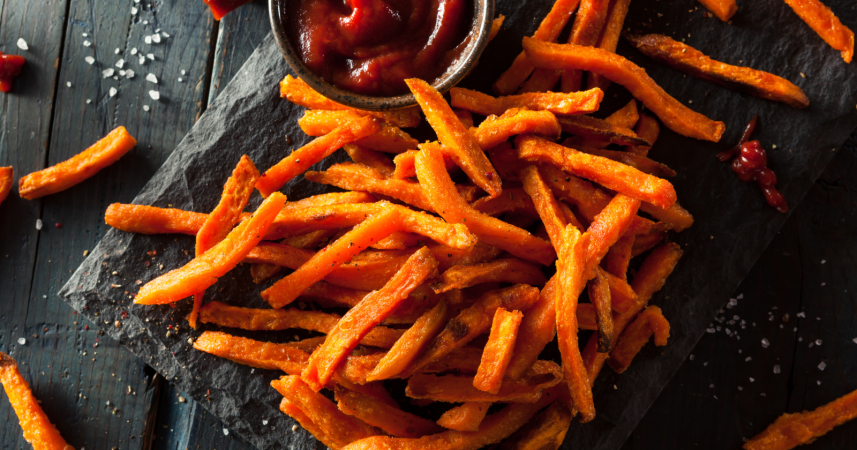
Discover the simple science and mindful method behind making irresistibly crispy sweet potato fries that are as good for you as they are for the planet.
Ever find yourself longing for the crunch of fries but knowing the deep fryer guilt is looming? I’ve been there.
Late one weekend I pulled a tray of oven roasted sweet potato sticks from the oven, thinking, “This will work, right?” But they came out soft, slightly limp, and I sighed: comfort spoiled.
The kicker? The problem wasn’t just technique, it was mindset. We want the indulgence (crispy, salty, satisfying) and we want it not to cost our health or the planet. That’s where this recipe comes in.
By turning to the humble sweet potato and understanding why crispiness matters (and how to get it), you’re making three big statements:
- Health first: You’re opting for a nutrient dense root over an empty starchy fry.
- Planet forward: Sweet potatoes are less resource intensive than many typical fried snack foods.
- Skillful cooking: You’re not giving up texture or taste just because you’re vegan, plant based, or eco aware.
Let’s dig into the bigger why, then roll into the how, step by step.
The bigger why: a plant based crunch with impact
Health
Sweet potatoes aren’t just “good for you” in a generic sense, they carry serious nutritional heft.
Studies show that the tuber is rich in bioactive compounds (carotenoids, anthocyanins, phenolic acids) and offers antioxidant, anti-inflammatory, and immune supporting benefits.
One review calls sweet potato a “functional food” thanks to the variety of protective roles it plays.
By swapping a standard fried potato side for a baked sweet potato fry, you’re layering in better nutrition without giving up the joy of crisp, salty bites.
Sustainability
While the exact lifecycle footprint depends on region and variety, root vegetables like sweet potatoes generally require less water, fewer inputs, and less processing compared to heavily fried snack foods.
Choosing baked over deep fried also reduces oil use and energy cost.
Psychology and behavior
From my blogging past I’ve come to believe sustainable living isn’t just about rigid restriction, it’s about choice architecture.
If you can make a baked fry that hits crunchy satisfaction, you’re not compromising, you’re choosing differently.
That reduces the mental load of “should I or shouldn’t I?” which often leads to defaulting into less healthy routines.
The science of crispiness: what you need to know
Getting firm, golden crisp fries at home is more science than luck. Two key processes matter: starch control and moisture or heat management.
- Starch removal or surface treatment: When you cut potatoes (or sweet potatoes), surface starch leaches out and creates a sticky layer that can trap moisture and prevent crisping.
- Moisture evaporation and high heat: Crispiness comes when surface water is driven off, the Maillard reaction (browning) kicks in, and the structure firms up. One kitchen science guide calls this “a complex interplay of starch gelatinization, moisture evaporation, and the Maillard reaction”.
- Avoiding soggy outcomes: Letting fries cool or storing them improperly causes starch retrogradation, which collapses the texture and yields limp fries.
When you make baked sweet potato fries with these principles in mind, you won’t just eat better, you’ll feel better about the texture.
Step by step recipe: crispy baked sweet potato fries
Yield: 4 servings
Time: ~50 minutes (10 minutes prep, 40 minutes bake)
Ingredients:
- 2 large sweet potatoes (about 1 kg total)
- 1½ tablespoons olive oil (or avocado oil)
- 2 teaspoons potato starch or cornstarch (optional but helps crisp)
- 1 teaspoon smoked paprika
- ½ teaspoon garlic powder
- ½ teaspoon sea salt (plus extra for finishing)
- Freshly ground black pepper
- Optional: chopped fresh parsley for garnish
Instructions:
- Preheat your oven to 220 °C (425 °F). Line a large baking sheet with parchment paper to help with crispness and clean up.
- Wash and dry the sweet potatoes. I leave the skins on for extra fiber and because the skin crisps nicely.
- Cut into fries: Stand a potato on end, slice off one thin side so it’s stable. Then slice into ½ cm (¼ inch) thick slabs, then into sticks of equal size. Uniform cuts make even cooking.
- Soak or rinse: Place the cut fries into a bowl of cold water and soak for 30 minutes to remove excess surface starch.
- Drain and dry thoroughly: After soaking, drain and spread the fries on a clean kitchen towel or paper towels, pat until almost dry. Moisture left behind will steam them instead of crisping.
- Coat with starch and oil: Return fries to a dry bowl. Sprinkle the potato or cornstarch and toss to coat lightly. Then drizzle the olive oil and toss again until all fries are evenly coated.
- Season: Add smoked paprika, garlic powder, salt, and pepper. Toss once more.
- Arrange for baking: Spread the fries in a single layer on the baking sheet without overlapping. Crowding prevents crisping.
- Bake:
- Bake for 20 minutes.
- After 20 minutes, remove the sheet, flip each fry with a spatula, and rotate the sheet if your oven has hot spots.
- Bake another 18–22 minutes until the ends are browned and crisp. For extra char, add 2–3 minutes but watch carefully.
- Finish and serve: Remove from the oven, sprinkle a little extra sea salt, and garnish with parsley if using. Serve hot with your favorite vegan dip such as garlic aioli made with vegan mayo, lemon, and roasted garlic.
Tips and Variations:
- Oil alternative: For an even lighter version, use 1 tablespoon of oil and 1 teaspoon of water. The water helps steam off faster, creating extra crispness.
- Spice up: Try curry powder with cayenne or za’atar with sumac for a Mediterranean twist.
- Air fryer option: Set to 200 °C for 15–18 minutes, shaking halfway. Results may vary slightly in texture.
- Sustainability bonus: Save the potato peels. Toss them into a small pot with vegetable broth and herbs to make a quick peel soup or add them to your next stew for a zero waste boost.
The upshot
When you plate these fries, you’re not just serving food. You’re communicating your values: that sustainability doesn’t mean bland, and plant based doesn’t mean boring.
By choosing sweet potatoes, you’re opting for richer nutrition. By baking and optimizing crispness, you’re proving you don’t have to sacrifice texture. By seasoning thoughtfully, you’re enjoying deeper flavor.
For me, as someone who’s traded music blogging late nights for writing about sustainable living, this feels personal.
Cooking well is a micro choice that ripples out into how you feel, how your body responds, and how you show up in the world.
When you sit down with these fries, salted, warm, perfectly crisped you’re choosing vitality over convenience and presence over autopilot.
So dig in, and remember: the crunch isn’t a compromise, it’s your homemade statement.
What’s Your Plant-Powered Archetype?
Ever wonder what your everyday habits say about your deeper purpose—and how they ripple out to impact the planet?
This 90-second quiz reveals the plant-powered role you’re here to play, and the tiny shift that makes it even more powerful.
12 fun questions. Instant results. Surprisingly accurate.